Summary
Apple CEO Tim Cook recently traveled to Beijing to meet with business leaders and government officials. During his visit, he praised the work of Chinese software developers and the high level of technology in Chinese factories. This trip comes at a time when the Chinese government is putting more pressure on Apple to change its business rules. Apple is trying to balance its deep roots in China with the need to follow new local regulations.
Main Impact
The main impact of this visit is the visible effort by Apple to stay on good terms with the Chinese government. China is one of Apple's most important markets for both selling products and making them. However, the relationship is becoming more difficult as Chinese officials call for Apple to reduce the control it has over its digital store. If Apple does not follow these demands, it could face legal trouble or fines in the country.
Key Details
What Happened
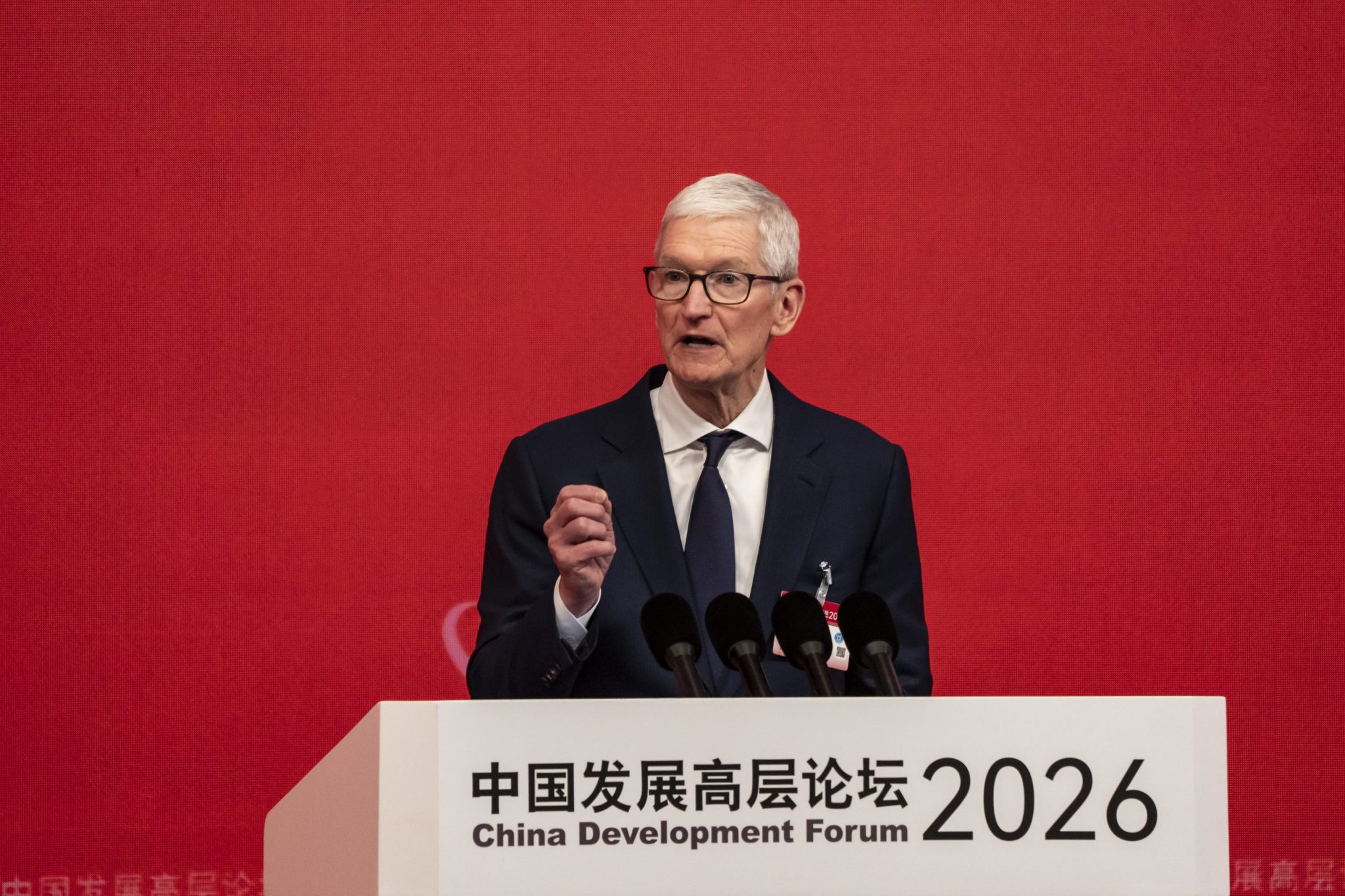
Tim Cook spoke at the China Development Forum, an event where global business leaders meet with Chinese officials. He used his time to highlight how much Apple values its partners in China. He specifically mentioned that the company and the country share the same goals regarding the environment and education. Cook also used a famous Chinese proverb, saying that "a single tree does not make a forest," to show that Apple needs China to succeed.
This speech happened just after a major Chinese government newspaper criticized Apple. The newspaper claimed that Apple has a monopoly and uses its power to charge unfair fees to app developers. Even though Apple recently lowered some of these fees, the government suggests that more changes are needed.
Important Numbers and Facts
Apple recently made a big change to its App Store rules in China. The company lowered the fee it takes from app developers from 30% down to 25%. This was done to help avoid problems with local regulators who are looking into how Apple runs its business. Despite these challenges, Apple is doing very well financially in the region. In the last three months of the previous year, Apple’s revenue in China grew by 38%, reaching a total of $25.5 billion.
While China remains the main place where iPhones are built, Apple is slowly moving some work to other countries. Currently, about 25% of iPhones are made in India. The company is also moving some of its assembly lines to Vietnam to make sure its business is safe if there are problems in one specific country.
Background and Context
For many years, Apple and China have had a very close relationship. China provided the workers and factories needed to build millions of iPhones, while Apple provided jobs and technology. Today, the situation is more complicated. The United States and China have many disagreements over trade and technology. This puts companies like Apple in a difficult spot.
Apple’s App Store is a huge source of money. When someone buys an app or a subscription on an iPhone, Apple takes a percentage of that money. Governments around the world, including in Europe and the United States, are now saying these fees are too high. China is now joining this group of critics, using its state-run media to tell Apple that it must change its ways.
Public or Industry Reaction
Chinese Premier Li Qiang also spoke at the forum. He did not criticize Apple directly. Instead, he used the company as an example of how global supply chains should work. He warned that making trade issues about politics would only make things more expensive for everyone. He said that China wants to work with global companies to keep the world's manufacturing systems stable and secure.
On the other hand, the People’s Daily, which represents the views of the ruling party, was much firmer. They urged Apple to fix what they called "monopolistic practices." This shows that while some leaders want to welcome Apple, others are ready to push the company to change its business model.
What This Means Going Forward
In the coming months, Apple will likely have to decide if it will lower its App Store fees even further. If the company gives in to Beijing's demands, it might lose some profit, but it will keep its good relationship with the government. If it refuses, it could face new laws that make it harder to sell iPhones in China.
We can also expect Apple to continue moving more of its manufacturing to India and Vietnam. This does not mean Apple is leaving China, but it wants to have other options. The company is trying to show China that it is a loyal partner while also preparing for a future where it is less dependent on a single nation.
Final Take
Tim Cook’s visit shows that Apple is not ready to walk away from China, despite the growing pressure. By praising local innovation and lowering fees, the company is trying to play by the rules of a very powerful government. The success of the iPhone in the future depends on whether Apple can satisfy Chinese regulators without giving up too much of its own power and profit.
Frequently Asked Questions
Why is the Chinese government upset with Apple?
The government believes Apple has too much control over the apps on its phones. They think the fees Apple charges to app developers are too high and unfair to local businesses.
Did Apple change its fees in China?
Yes, Apple recently reduced the commission it takes from app developers in China from 30% to 25% to help satisfy local regulators.
Is Apple moving its factories out of China?
Apple is not leaving China, but it is diversifying. It now makes about 25% of its iPhones in India and is also increasing production in Vietnam to reduce risks.