
Summary
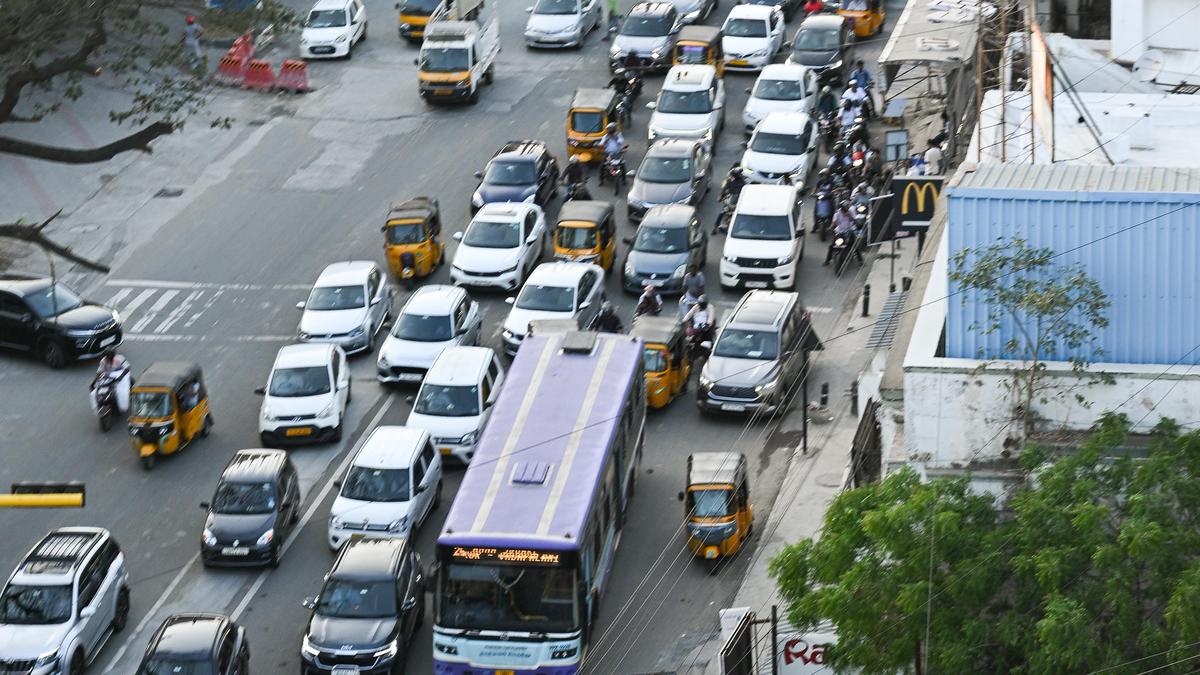
Thousand Lights is one of the most famous and central neighborhoods in Chennai. It is known for its deep political history, iconic landmarks, and as a major hub for healthcare and business. However, despite its high level of development, the area faces a massive problem with traffic congestion and a lack of parking spaces. These daily struggles make life difficult for residents, workers, and visitors who travel through this key part of the city.
Main Impact
The primary issue in Thousand Lights is the extreme pressure on its road network. Because the area is home to some of the biggest hospitals and commercial centers in the state, thousands of vehicles enter the neighborhood every day. The roads were not originally built to handle this much traffic. This leads to long delays, increased pollution, and a general sense of frustration for everyone using the streets. The lack of planned parking means that cars and bikes often spill over onto the main roads, making the already narrow lanes even harder to navigate.
Key Details
What Happened
Over the last few decades, Thousand Lights has changed from a mix of residential homes and small shops into a massive commercial and medical center. Large hospitals, such as Apollo Hospitals on Greams Road, attract patients from all over the world. While this growth has brought money and jobs to the area, the infrastructure has stayed mostly the same. Many of the older buildings do not have enough basement parking, forcing visitors to park on the curb. This reduces the space available for moving traffic, leading to constant "snarls" or jams that last throughout the day.
Important Numbers and Facts
Thousand Lights is a vital Assembly segment in Chennai, meaning it holds significant political weight. The area is named after the historic Thousand Lights Mosque, which is a major landmark. On a typical weekday, the volume of traffic on Anna Salai, which runs through this segment, is among the highest in the city. During peak hours, vehicle speeds often drop to less than 10 kilometers per hour. Local reports suggest that hundreds of illegal parking instances occur daily on side streets, further choking the flow of traffic in residential zones.
Background and Context
Thousand Lights matters because it is the heart of Chennai’s "Medical Tourism" industry. People travel from different states and even different countries to visit the specialists here. It is also a place where many government offices and private businesses are located. Because it is so central, it serves as a bridge between the northern and southern parts of the city. If Thousand Lights is blocked, the rest of the city feels the impact. The area represents the classic struggle of an old city trying to adapt to a modern, car-heavy lifestyle without having the physical space to expand its roads.
Public or Industry Reaction
Residents of Thousand Lights have been vocal about their problems. Many families who have lived there for generations say they now find it hard to even walk to the local grocery store because the sidewalks are blocked by parked motorcycles. Business owners have a mixed reaction; while they like the high number of people coming to the area, they worry that the traffic chaos will eventually drive customers away to newer, more accessible shopping malls. Traffic police often struggle to manage the situation, as there are simply too many cars and not enough places to put them.
What This Means Going Forward
The future of Thousand Lights depends on how the city manages its space. There is a clear need for multi-level parking lots that can take cars off the streets. The Chennai Metro has already helped by providing a station in the area, but more people need to be encouraged to use public transport instead of private cars. City planners may also need to look at making certain narrow streets one-way or creating "no-parking" zones that are strictly enforced. Without these changes, the congestion will likely get worse as more businesses open in the area.
Final Take
Thousand Lights is a perfect example of a neighborhood that has grown too fast for its own streets. While it remains a prestigious and important part of Chennai, the daily reality of traffic and parking makes it a challenging place to live and work. Solving these infrastructure problems is not just about making travel faster; it is about making sure the area remains a functional and healthy part of the city for everyone.
Frequently Asked Questions
Why is the area called Thousand Lights?
The area is named after the Thousand Lights Mosque. It is said that in the past, a large number of lamps were lit to illuminate the assembly hall, giving the neighborhood its unique name.
What are the main causes of traffic in Thousand Lights?
The main causes are the high number of visitors to local hospitals and offices, combined with a lack of dedicated parking spaces. This leads to cars being parked on the road, which blocks traffic flow.
Is there a way to avoid the traffic in this area?
Using the Chennai Metro is the most effective way to avoid the traffic in Thousand Lights. The Thousand Lights Metro Station provides direct access to the heart of the neighborhood without the need to deal with road congestion.



