Summary
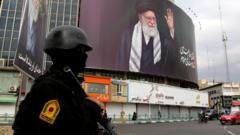
Authorities in Iran are increasing security measures across the capital city of Tehran to stop potential anti-government protests. Local residents have reported a significant rise in the number of security checkpoints where police and paramilitary forces stop and search citizens. These actions come as the government tries to maintain control and prevent the return of large-scale public demonstrations that have challenged the leadership in recent years.
Main Impact
The immediate impact of these new security measures is a visible change in daily life for people living in Tehran. The presence of armed guards and frequent stops has created an atmosphere of tension and fear. By placing checkpoints in busy areas, the government is making it harder for people to gather in groups. This strategy is designed to discourage anyone from starting a protest, as the risk of being caught or questioned has increased significantly.
Key Details
What Happened
According to reports from people living in Tehran, security forces have set up temporary stations at major intersections and public squares. These forces often include members of the police and the Basij, a volunteer paramilitary group. Residents say that security officers are not just looking for illegal items but are also checking mobile phones for messages or photos related to protests. People are being asked for their identification and questioned about where they are going. These searches often happen without warning, making it difficult for residents to move freely through the city.
Important Numbers and Facts
While the government has not released official data on the number of new checkpoints, residents say the increase is most noticeable during the evening hours. In the past, similar security surges occurred around the anniversaries of major protests or during times of high economic stress. Currently, Iran is facing high inflation and a weak currency, which often serves as a trigger for public anger. The government’s decision to increase security suggests they are monitoring social media and other channels for signs of organized unrest.
Background and Context
To understand why these checkpoints are appearing now, it is important to look at Iran’s recent history. In late 2022, the country saw some of the biggest protests in decades following the death of Mahsa Amini, a young woman who died in police custody. Those protests lasted for months and spread to almost every major city. The government responded with a heavy crackdown, leading to many arrests and deaths. Since then, the relationship between the public and the state has remained very strained.
The Iranian government views these protests as a threat to the country's stability. They often claim that foreign countries are helping to start the unrest. Because of this, the authorities use a "zero tolerance" policy toward any sign of public gathering. Even small groups of people standing together in a public place can now attract the attention of the security forces.
Public or Industry Reaction
The reaction from the public is a mix of frustration and quiet defiance. Many people feel that the constant searches are an invasion of privacy and a sign that the government does not trust its own citizens. On social media, some users share tips on which roads to avoid or how to keep their digital information safe. However, the heavy presence of security forces has made many people hesitant to speak out openly. Human rights groups have criticized these measures, stating that they violate the basic rights of the Iranian people and are used to silence political disagreement.
What This Means Going Forward
The use of checkpoints and random searches shows that the Iranian government is choosing force over dialogue to handle public complaints. In the short term, this may prevent large crowds from forming in the streets. However, experts suggest that this approach does not solve the underlying problems, such as the bad economy and the lack of social freedoms. If the government continues to use these strict methods, it could lead to even more resentment among the youth and the working class.
In the coming months, the world will be watching to see if these security measures stay in place or if they are just a temporary response to a specific threat. If the economic situation gets worse, the government may find it even harder to keep the peace, regardless of how many checkpoints they build.
Final Take
The increase in security in Tehran is a clear sign that the Iranian leadership is on high alert. By turning the capital into a zone of constant surveillance, they hope to stop any spark of rebellion before it can grow. While this may keep the streets quiet for now, the deep-seated issues that cause protests remain. The tension between a government that wants total control and a public that wants change is likely to continue for a long time.
Frequently Asked Questions
Why is the Iranian government setting up checkpoints?
The government is using checkpoints to prevent people from gathering for anti-establishment protests. They want to stop any unrest before it starts by monitoring movement and searching citizens.
What are security forces looking for during searches?
Security forces are checking identification and searching bags. They are also reportedly looking through people's mobile phones for any content that might suggest they are involved in or planning protests.
Are these security measures happening in other cities?
While the reports focus on Tehran, similar measures have been seen in other large cities during times of tension. Tehran is the main focus because it is the political center of the country and the most likely place for major protests to begin.