Summary
People living in Tehran are currently facing a double threat that has made daily life feel heavy and uncertain. On one side, there is the constant fear of air strikes from Israel and the United States as regional tensions grow. On the other side, the Iranian government is using this time of crisis to tighten its control over the population through strict laws and police presence. This combination of external military threats and internal government pressure has left many citizens feeling trapped and exhausted.
Main Impact
The biggest impact of this situation is the deep sense of dread felt by ordinary families. For many Iranians, there is no escape from the stress. When they look at the sky, they worry about missiles and drones. When they look at the streets, they see security forces ready to stop anyone who does not follow strict rules. This environment has hurt the mental health of the public and made it difficult for people to plan for their future. The economy is also suffering, as the threat of war makes prices go up and jobs harder to find.
Key Details
What Happened
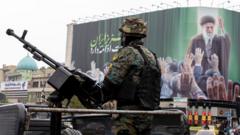
In recent months, the military conflict between Iran and its rivals has moved from secret shadow wars to direct attacks. This has led to several rounds of air strikes that have put the capital city on high alert. While the world focuses on the military side of the story, the Iranian government has increased its efforts to stop any form of protest. Security forces have become more visible in public places, and new laws have been introduced to punish those who do not follow the state's dress codes or social rules.
Important Numbers and Facts
Reports from inside the country show that the cost of basic goods like food and fuel has risen sharply since the military threats began. Many residents say they spend hours every day checking news updates on their phones, waiting to see if another attack is coming. Human rights groups have also noted an increase in arrests over the last year. These arrests often target young people and activists who are already struggling with the country's difficult economic situation. The currency has also lost value, making it nearly impossible for average workers to save money.
Background and Context
To understand why this is happening, it is important to look at the history of the region. Iran and Israel have been enemies for a long time, but the current level of direct fighting is new and much more dangerous. At the same time, the Iranian government faced massive protests a few years ago led by people demanding more freedom. The government is worried that if they show any weakness during a war, those protests might start again. Because of this, they are being extra strict with their own people to make sure they stay in control while they deal with threats from outside countries.
Public or Industry Reaction
The reaction from people in Tehran is a mix of anger and sadness. Many tell reporters that they feel like they are being held hostage by both sides. They do not want a war with the West, but they also do not feel supported by their own leaders. Business owners say that the uncertainty is killing the local market because no one wants to spend money when they think a bomb might drop tomorrow. International observers have expressed concern that the focus on military action is allowing the government to hide human rights abuses that would normally get more attention from the world.
What This Means Going Forward
The path ahead looks difficult for the people of Iran. If the military conflict continues to grow, the risk of a full-scale war becomes more likely. This would lead to more destruction and a worse economic crisis. Even if a war is avoided, the government is unlikely to stop its crackdown on personal freedoms anytime soon. They see strict control as a way to keep the country stable during a time of high tension. For the youth of Iran, this means a continued struggle for a normal life where they can feel safe both from foreign bombs and their own police.
Final Take
The current situation in Iran shows how political and military battles often hurt the most vulnerable people first. While leaders talk about strategy and national pride, the citizens are the ones living in fear. They are caught between two powerful forces, with very little power to change their own situation. The feeling of dread in Tehran is a reminder that the cost of conflict is measured not just in damaged buildings, but in the broken hopes of the people living under the shadows of war and repression.
Frequently Asked Questions
Why are Iranians afraid of air strikes?
Iranians fear air strikes because of the growing military tension between Iran, Israel, and the United States. Recent direct attacks have made people worry that a major war could start at any time, leading to destruction in major cities like Tehran.
How is the Iranian government reacting to the threat of war?
The government is tightening its control over the public. They have increased the number of security forces on the streets and are using strict laws to prevent any protests or signs of disagreement with the state's policies.
How is the economy affecting daily life in Iran?
The economy is in a very bad state due to sanctions and the threat of war. Prices for food and daily needs are rising quickly, the local currency is losing value, and many people are finding it hard to earn enough money to survive.