Summary
A new wave of activity is sweeping through the tech industry's most successful figures. Founders and executives who already built billion-dollar companies are returning to intense work routines. The driving force behind this shift is the rapid rise of artificial intelligence. Many believe this is a once-in-a-generation opportunity that cannot be missed. The goal is not just to stay relevant, but to capture the next big wave of growth and wealth.
Main Impact
The biggest impact is a dramatic change in how top tech leaders spend their time. People who had stepped back from daily operations are now deeply involved again. They are working long hours, making quick decisions, and pushing their teams hard. This is creating a new sense of urgency across the industry. Companies that were seen as stable and mature are now acting like startups again. The focus is entirely on building AI products and services before competitors do.
Key Details
What Happened
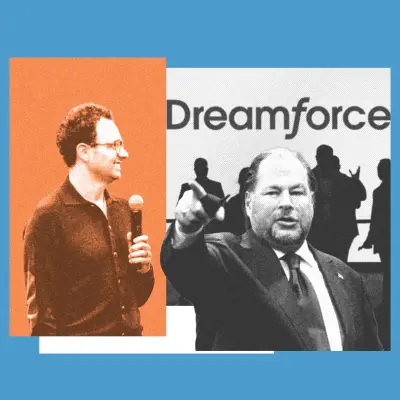
Several high-profile tech founders and executives have recently announced they are returning to active roles. They are not just giving advice from the sidelines. They are leading product meetings, writing code, and making major strategic calls. This marks a clear break from the previous trend where many successful leaders moved into philanthropy or venture capital. The common reason given is the fear of missing out on the AI revolution.
Important Numbers and Facts
While exact figures are hard to track, the trend is visible in public statements and company moves. For example, some founders who sold their companies years ago are now starting new AI-focused ventures. Others are taking on more hands-on roles at their existing companies. The amount of money flowing into AI startups has also surged. In the first half of 2026 alone, global AI funding reached record levels. This shows that the industry is betting heavily on this technology.
Background and Context
To understand this shift, it helps to look at the history of tech booms. The internet boom of the 1990s created many wealthy founders. The mobile app boom of the 2010s did the same. Each time, a new technology changed the rules of the game. Those who acted fast often won big. Those who waited too long were left behind. Many tech leaders believe AI is the next such shift. They see it as a chance to build something even bigger than their previous successes. The fear of being seen as outdated is also a strong motivator.
Public or Industry Reaction
The reaction from the tech community is mixed. Some people admire the drive and energy of these leaders. They see it as a sign of passion and commitment. Others are more critical. They point out that these individuals already have enormous wealth and influence. The push to work even harder can create pressure on employees. There are also concerns about burnout and the ethics of chasing growth at any cost. Investors, however, are generally supportive. They see active founders as a sign that a company is serious about AI.
What This Means Going Forward
This trend will likely lead to faster innovation in AI. More resources and talent will be focused on solving hard problems. It could also mean more competition and higher stakes for smaller startups. For workers, it may mean longer hours and higher expectations. For consumers, it could mean better AI products arriving sooner. However, there are risks. A rush to market can lead to mistakes or products that are not fully tested. The industry will need to balance speed with responsibility.
Final Take
The return of tech's biggest winners to the grind is a clear signal. They believe AI is the most important opportunity of their careers. Their actions show that past success does not guarantee future relevance. The race is on, and they are determined not to lose. Whether this leads to great breakthroughs or just more hype remains to be seen. But one thing is certain: the tech world is entering a new, more intense phase.
Frequently Asked Questions
Why are successful tech founders returning to work?
They are returning because they believe artificial intelligence is a huge new opportunity. They do not want to miss the chance to build the next big thing. Many feel that their past success does not guarantee they will stay relevant without active effort.
What does this mean for regular tech workers?
It could mean more pressure and longer hours as companies race to build AI products. It may also create more job opportunities in AI-related fields. Workers should expect a faster pace and higher expectations from leadership.
Is this trend good or bad for the tech industry?
It has both good and bad sides. On the positive side, it drives innovation and investment. On the negative side, it can lead to burnout and rushed products. The overall effect will depend on how companies balance speed with careful planning.