
Summary
The Telugu Desam Party (TDP) has officially spoken out against the recent disruption of a comedy show in Bengaluru. Comedian Sarat Uday was performing on Saturday when the event was interrupted by a group of people. TDP State President Palla Srinivasa Rao described the act as undemocratic and urged people to use legal ways to voice their complaints. This incident has sparked a conversation about the freedom of expression and the role of political workers in public life.
Main Impact
The main impact of this event is the growing concern over how public performances are handled when someone disagrees with the content. By condemning the disruption, the TDP is sending a message that physical force or intimidation should not be used to silence artists. This stance highlights the importance of the rule of law in a democratic society. It also puts pressure on political groups to control their members and ensure they do not take the law into their own hands during public events.
Key Details
What Happened
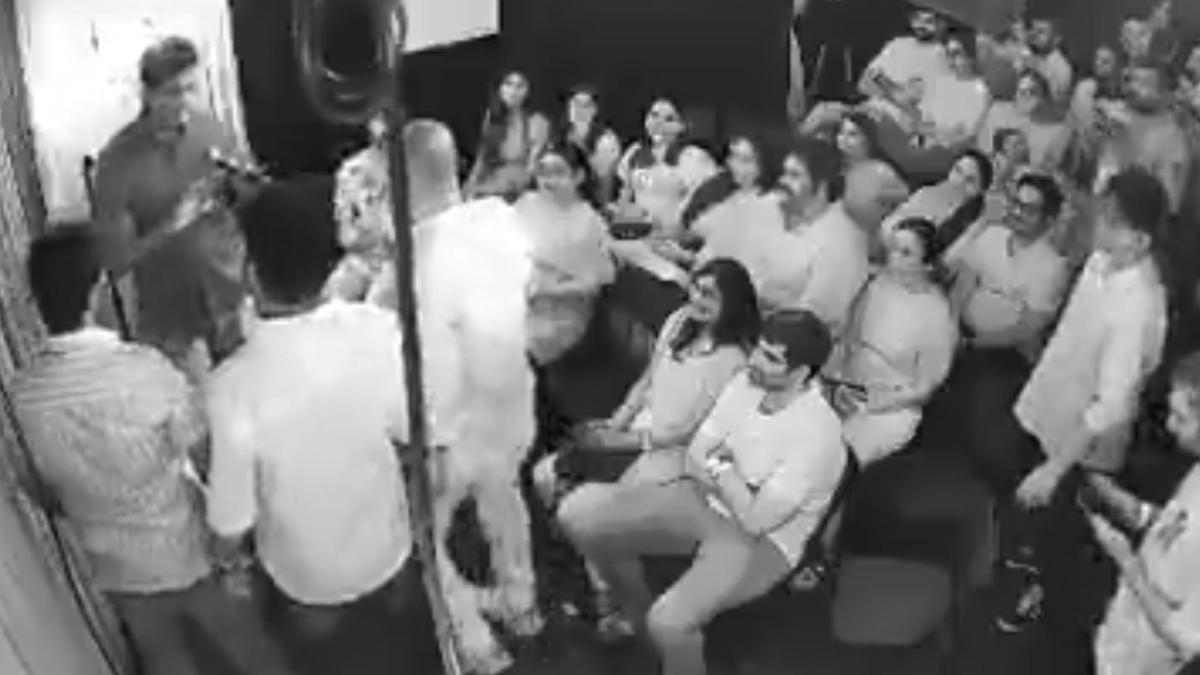
On Saturday, comedian Sarat Uday was on stage in Bengaluru for a stand-up comedy performance. During the show, a group of individuals, reportedly linked to political interests, entered the venue and stopped the performance. The disruption caused the show to end early and created a tense environment for the audience and the organizers. Following the event, news of the shutdown spread quickly, leading to various political leaders sharing their views on the matter.
Important Numbers and Facts
The event took place on a Saturday evening in Bengaluru, a city known for its active arts and comedy scene. Palla Srinivasa Rao, the State President of the TDP, issued a formal statement shortly after the news broke. He emphasized that if any person or group has a problem with what a comedian says, they should go to the police or the courts. He made it clear that "confrontational action" by party workers is not the right way to handle disagreements in a modern society.
Background and Context
Stand-up comedy has become very popular in India over the last ten years. Comedians often talk about daily life, social issues, and sometimes politics. While many people enjoy this form of entertainment, it has also led to moments of tension. In some cases, jokes are seen as offensive by certain groups. In the past, this has resulted in shows being canceled or performers facing legal trouble. The context here is the balance between an artist's right to speak and the public's right to not be offended. However, the focus of the current debate is not just about the jokes themselves, but about the method used to protest them. Using force to stop a show is seen by many as a threat to free speech.
Public or Industry Reaction
The reaction from the public and the comedy industry has been a mix of worry and support for the artist. Many people on social media argued that if someone does not like a show, they should simply leave or not buy a ticket. Within the political world, the TDP’s statement is seen as a move to uphold democratic standards. By calling the disruption "undemocratic," the party is aligning itself with the idea that disagreements must be settled through official and peaceful means. Other artists have also expressed that such disruptions make it difficult for them to work without fear of being attacked or harassed for their creative choices.
What This Means Going Forward
Moving forward, this incident may lead to stricter security at comedy venues in major cities. It also serves as a reminder to political organizations to educate their members on proper ways to protest. If more leaders follow the example of Palla Srinivasa Rao and insist on legal channels, it could reduce the number of physical confrontations at public events. There is also a possibility that the legal system will be asked to clarify the limits of free speech and the protections available to performers. For now, the focus remains on ensuring that the streets and stages of cities like Bengaluru remain safe places for open expression.
Final Take
Protecting the right to speak and perform is a key part of a healthy democracy. When groups use force to stop a performance, it hurts the spirit of open debate. The call for using legal paths instead of physical confrontation is a necessary step toward maintaining peace and order. It is important for society to find a way to handle offense without resorting to actions that bypass the law.
Frequently Asked Questions
Who is Sarat Uday?
Sarat Uday is a stand-up comedian known for his performances in the Telugu language and other regional circuits. He often performs in cities like Bengaluru and Hyderabad.
Why was the comedy show stopped?
The show was disrupted by a group of people who reportedly had objections to the content of the performance. They used confrontational tactics to end the event on a Saturday.
What was the TDP's response to the incident?
The TDP, through State President Palla Srinivasa Rao, condemned the disruption. The party stated that any objections should be handled through legal channels rather than through force or undemocratic actions.

