
Summary
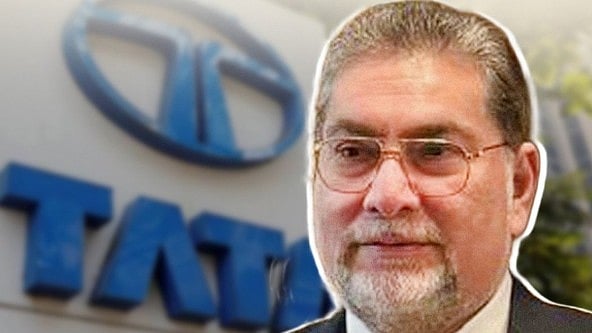
Mehli Mistry, a former trustee of the Sir Dorabji Tata Trust, has raised serious concerns about how the organization is being run. He has filed a formal complaint with the Charity Commissioner in Mumbai, alleging that the trust has ignored legal rules regarding the appointment of its board members. Mistry is calling for an independent administrator to take over the trust's management to ensure it follows the law and maintains high ethical standards. This move highlights a growing internal conflict within one of India’s most influential charitable institutions.
Main Impact
The legal challenge by Mistry could force a major change in the leadership of the Tata Trusts. By questioning the validity of the current board, the complaint puts the positions of high-ranking officials, including Chairman Noel Tata, under scrutiny. If the Charity Commissioner finds that the trust violated state laws, it could lead to the removal of current trustees or the appointment of a government-supervised administrator. This situation creates uncertainty for the Tata group, as these trusts hold a significant ownership stake in Tata Sons, the main holding company for the entire global business empire.
Key Details
What Happened
Mehli Mistry submitted a legal filing claiming that the Sir Dorabji Tata Trust has committed several governance errors. He argues that the trust did not follow the Maharashtra Public Trusts Act of 1950 when making recent board appointments. Specifically, he points to a new rule introduced in September 2025. This rule, known as Section 30A, was created to set limits on how long a person can serve as a trustee. Mistry claims that some current members are staying in their roles longer than the law allows, effectively holding "perpetual" positions that should no longer exist.
Important Numbers and Facts
The complaint includes several specific allegations regarding money and board structure:
- Financial Allegations: Mistry claims that trustee Vijay Singh received approximately Rs 20.13 crore in commissions and fees from Tata Sons and other group companies. Mistry argues this creates a conflict of interest.
- Board Members: The current board includes Noel Tata (Chairman), Venu Srinivasan (Vice-Chairman), Vijay Singh, Darius Khambata, Bhaskar Bhat, and Neville Tata.
- Legal Provisions: The filing focuses on Section 30A of the Maharashtra Public Trusts Act, which aims to stop trustees from serving indefinitely without term limits.
- Past Disputes: Mistry also questioned the eligibility of Venu Srinivasan and Vijay Singh for roles in the Bai Hirabai Jamsetji Tata Navsari Charitable Institution, claiming they did not meet residency and community requirements.
Background and Context
The Tata Trusts are among the oldest and wealthiest philanthropic organizations in India. They own about 66% of Tata Sons, which means they have a massive influence over famous brands like Jaguar Land Rover, Tata Motors, and TCS. Because they control so much wealth and influence, the law requires them to follow strict governance rules. These rules are meant to ensure that the money is used for charity and not for the personal benefit of the people running the trusts.
In recent years, the Indian government has updated trust laws to make them more transparent. The introduction of tenure limits was a key part of these updates. Mistry, who was once a close associate of the late Ratan Tata, was himself a trustee until recently. While he is no longer on the board, he claims his goal is not to get his job back but to make sure the trust is managed by people who follow the updated legal framework.
Public or Industry Reaction
The reaction from those named in the complaint has been cautious. Vijay Singh briefly responded by saying he would not comment publicly and would instead present his side to the Charity Commissioner. This suggests the trust plans to fight the allegations through official legal channels rather than in the media.
Regarding the conflict of interest claims involving Venu Srinivasan and Norton Motorcycles, a senior official from the TVS group defended the arrangement. The official stated that the late Ratan Tata and the current Tata Sons Chairman, N. Chandrasekaran, were both aware of the consulting work. They argued that the work was purely for mentoring and had been approved by the leadership at Jaguar Land Rover. So far, the Tata Trusts as an organization have not released a formal public statement regarding Mistry’s latest filing.
What This Means Going Forward
The next step lies with the Charity Commissioner in Mumbai, who must decide if there is enough evidence to launch a full investigation. If the Commissioner agrees with Mistry, the trust may be forced to reorganize its board. This could mean that long-serving members would have to step down to make room for new leaders who meet the 2025 legal requirements.
There is also the risk of further legal battles. If the trust is placed under an external administrator, it could slow down decision-making for the charitable activities and the businesses they oversee. Investors and the public will be watching closely to see if the Tata Trusts can resolve these internal disputes without damaging their reputation for integrity and social responsibility.
Final Take
This dispute is a reminder that even the most respected institutions must adapt to changing laws. The allegations raised by Mehli Mistry go to the heart of how power is shared and managed within the Tata empire. Whether these claims are proven true or not, the case will likely lead to a more transparent way of choosing the people who manage India's largest charitable funds. Ensuring that trustees act without financial conflicts is essential for maintaining public trust in such a massive organization.
Frequently Asked Questions
Who is Mehli Mistry?
Mehli Mistry is a former trustee of the Sir Dorabji Tata Trust and was a close associate of the late Ratan Tata. He recently left the board and is now challenging the trust's governance practices.
What is Section 30A of the Maharashtra Public Trusts Act?
This is a legal provision introduced in 2025 that sets limits on how long a person can serve as a trustee. It is designed to prevent individuals from holding power in a trust indefinitely.
What is an independent administrator?
An independent administrator is a neutral person appointed by a legal authority to manage an organization. This usually happens when there are concerns that the current leadership is not following the rules or acting ethically.

