
Summary
On January 14, 1969, the state formerly known as Madras officially changed its name to Tamil Nadu. This change happened on the day of Thai Pongal, a major harvest festival for the Tamil people. The move was the result of years of political struggle and a deep desire to honor the local language and culture. It marked a major shift in how the state viewed its own identity after the end of British rule.
Main Impact
The renaming of the state had a massive impact on the pride and politics of the region. By moving away from the name "Madras," which many felt was a colonial label, the people reclaimed their historical identity. This change showed that the state was committed to its linguistic roots. It also set a path for other states in India to consider changing their names to better reflect their local heritage and languages.
Key Details
What Happened
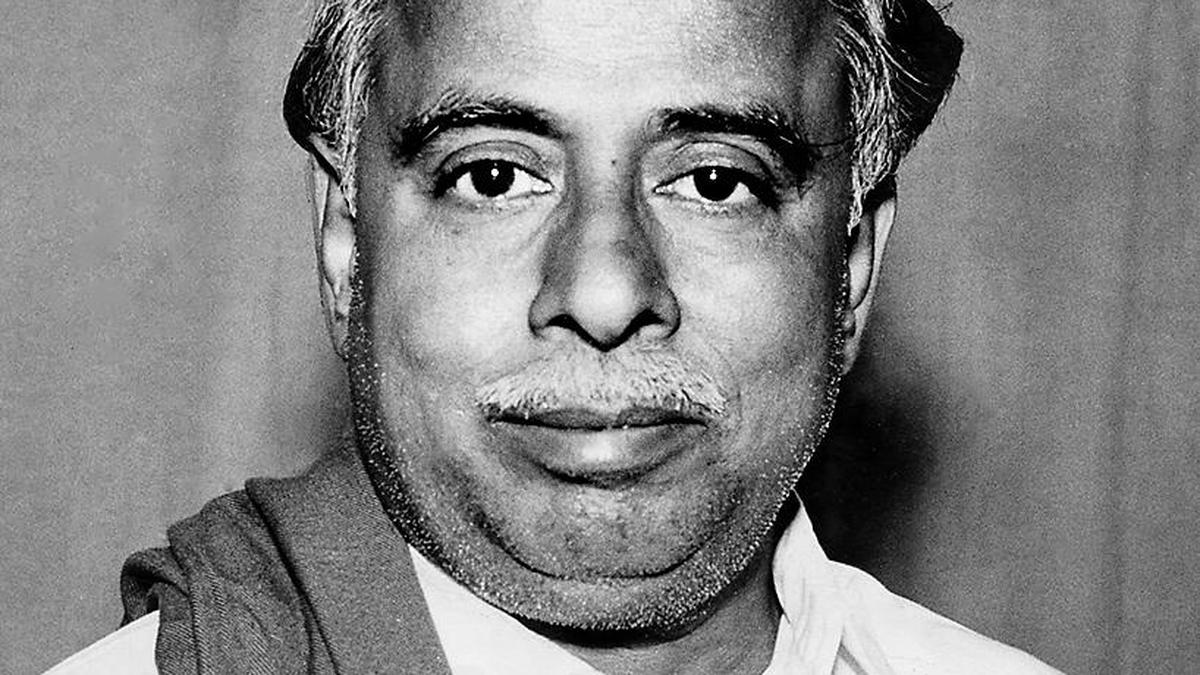
The process of changing the name was not a quick one. It took many years of protests, speeches, and political debates. The leader who finally made it happen was C.N. Annadurai, the Chief Minister at the time. He led the Dravida Munnetra Kazhagam (DMK) party to power in 1967. One of his first major goals was to ensure the state was named after its people and their language. After the state government passed the resolution, it went to the central government in Delhi for final approval.
Important Numbers and Facts
The official change took place on January 14, 1969. However, the fight for this name started much earlier. In 1956, a famous activist named Sankaralinganar went on a hunger strike to demand the name change. He fasted for 76 days and sadly passed away for the cause. His sacrifice became a symbol of the movement. Later, in July 1967, the State Assembly finally passed a resolution to adopt the name "Tamil Nadu." It took nearly two more years for the legal process to be finished and for the name to become official on the first day of the Tamil month of Thai.
Background and Context
During the time of British rule, a large part of Southern India was called the Madras Presidency. This area included parts of what are now Andhra Pradesh, Karnataka, and Kerala. After India gained independence in 1947, the borders were redrawn based on the languages people spoke. By 1956, the state was mostly made up of Tamil speakers, but it was still called Madras State. Many people felt that "Madras" only referred to the capital city and did not represent the whole region or its ancient history. They wanted a name that meant "The Land of the Tamils."
Public or Industry Reaction
The public reaction was one of great joy and celebration. Since the change happened on Pongal, a day already filled with festivities, the mood was electric. People saw it as a victory for their culture. However, the road to this change was filled with tension. Before the name was officially changed, there were many protests and heated debates in the government. Some leaders at the national level were worried that changing names would encourage too much regional pride, but the local support was too strong to ignore.
What This Means Going Forward
The name change was a turning point for regional politics in India. It proved that language and cultural identity are powerful tools for political change. Today, Tamil Nadu is a name recognized globally, and the state continues to place a high value on its linguistic history. This event also paved the way for other cities and states to change their names. For example, the city of Madras was later renamed Chennai in 1996 to further remove colonial influences. The move ensures that future generations grow up with a name that reflects their true home.
Final Take
The shift from Madras to Tamil Nadu was more than just a new word on a map. It was a hard-fought win for a community that wanted its identity to be recognized by the world. By choosing a name that honored their language, the leaders of that time gave the people a sense of belonging that remains strong today. It serves as a reminder that names carry history, and choosing your own name is a powerful act of freedom.
Frequently Asked Questions
When did Madras officially become Tamil Nadu?
The name change officially came into effect on January 14, 1969, which coincided with the Thai Pongal festival.
Who was the leader responsible for the name change?
C.N. Annadurai, the then Chief Minister of the state, was the primary leader who pushed the legislation through the State Assembly.
Why was the name changed?
The name was changed to better reflect the linguistic and cultural identity of the Tamil-speaking people and to move away from the colonial-era name "Madras."



