
Summary
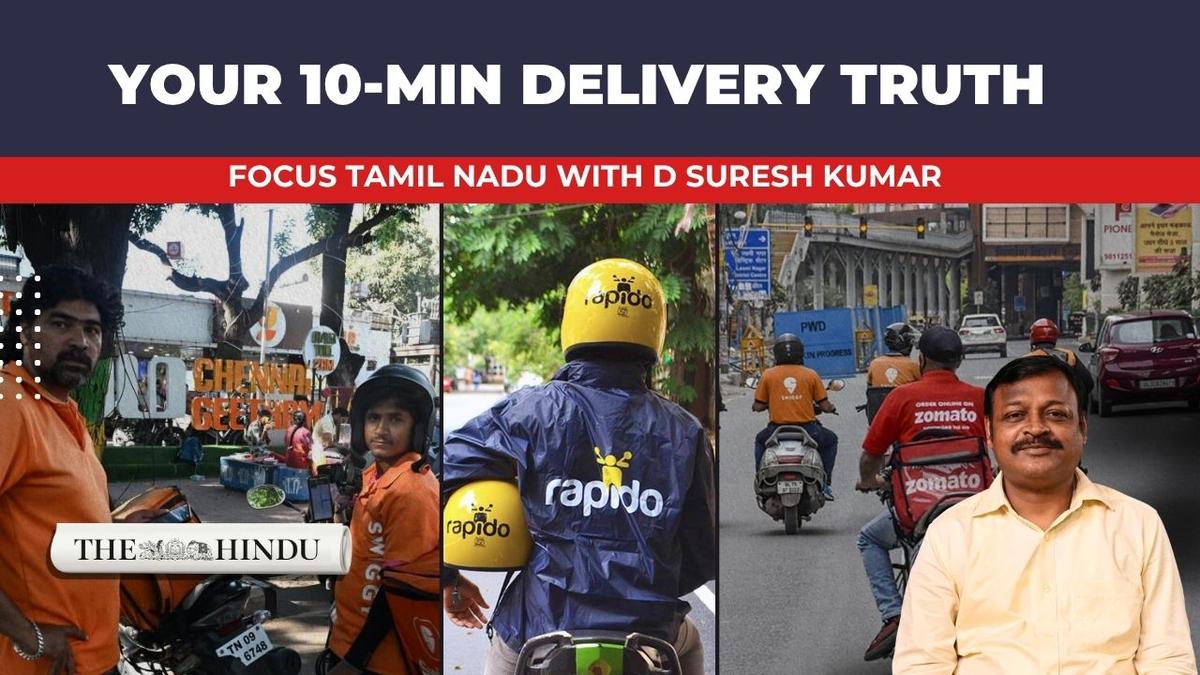
A recent study by the Tamil Nadu State Planning Commission has shed light on the difficult lives of gig workers. These individuals work for popular platforms like Swiggy, Zomato, and Uber. While these jobs are often advertised as flexible and independent, the report shows a different side of the story. Many workers face extremely long shifts, rising personal debt, and a total lack of basic workplace facilities. This research highlights the growing gap between the promise of a modern career and the harsh reality of daily survival on the streets.
Main Impact
The findings of this study have a major impact on how we view the gig economy in India. It challenges the idea that app-based work is a simple way to earn extra money with total freedom. Instead, the report suggests that many workers are stuck in a cycle of poverty. Because they are not classified as traditional employees, they do not receive health benefits or job security. This shift in the labor market means thousands of people are working without a safety net, which could lead to long-term social and economic problems for the state.
Key Details
What Happened
The Tamil Nadu State Planning Commission conducted a detailed review of the working conditions for delivery partners and drivers. They spoke with people who use their own vehicles to transport food and passengers. The goal was to see if the "flexibility" promised by these apps actually helps the workers. The results showed that most workers are not choosing their hours for fun. Instead, they are forced to work as much as possible just to pay for their basic needs and the costs of their vehicles.
Important Numbers and Facts
The study found that a large number of gig workers spend more than 12 hours every day on the road. Many of these workers have taken out high-interest loans to buy the motorcycles or smartphones they need for the job. After paying for fuel, vehicle repairs, and loan installments, their actual take-home pay is very low. Additionally, the report pointed out a serious lack of infrastructure. Most workers have no access to clean drinking water, rest areas, or toilets during their long shifts. They often have to wait on the side of busy roads in extreme heat or rain between orders.
Background and Context
The gig economy grew very fast in India over the last few years, especially during the pandemic. Apps like Swiggy and Zomato became household names as more people ordered food and groceries online. For many young people and those who lost jobs in other sectors, these platforms seemed like a great way to earn money quickly. The companies call these workers "partners" rather than employees. This label allows companies to avoid paying for insurance, pensions, or minimum wages. Over time, what started as a side job for many has become a full-time struggle for survival.
Public or Industry Reaction
The reaction to these findings has been strong among labor rights groups and social activists. Many are calling for the government to create new laws that protect gig workers. They argue that these workers should have the same rights as factory or office workers. On the other hand, platform companies often argue that their business model provides jobs to people who might otherwise be unemployed. They claim that strict rules would make their services more expensive for customers and reduce the number of jobs available. However, the public is becoming more aware of the human cost behind the convenience of quick deliveries.
What This Means Going Forward
This study is likely to lead to new discussions about labor laws in Tamil Nadu and across India. The government may need to step in to ensure that companies provide basic facilities like rest zones. There is also a push for better insurance coverage for accidents, which are common for people spending all day in traffic. If changes are not made, the high levels of debt and physical exhaustion among workers could lead to a strike or a shortage of labor. The future of the gig economy depends on finding a balance between company profits and the well-being of the people doing the hard work.
Final Take
The convenience of clicking a button to get food or a ride should not come at the cost of someone else's health and dignity. The Tamil Nadu study proves that "flexibility" is often just a word used to hide a lack of worker rights. For the gig economy to be truly successful, it must offer more than just a way to stay busy; it must offer a fair wage and a safe environment. True progress is only possible when the people at the bottom of the system are treated with the respect they deserve.
Frequently Asked Questions
What is a gig worker?
A gig worker is someone who works temporary jobs or tasks, often through an app like Swiggy, Zomato, or Uber. They are usually treated as independent contractors rather than full-time employees.
Why are gig workers in debt?
Many workers have to borrow money to buy bikes and phones to start working. High fuel costs and low pay per delivery make it hard for them to pay back these loans while also covering their living expenses.
What are the main problems found in the study?
The study highlighted long working hours (often over 12 hours a day), a lack of access to toilets and clean water, and the absence of job security or health insurance for the workers.



