
Summary
The year 2001 marked a major turning point in how Tamil Nadu conducts its elections. For the first time in the state's history, Electronic Voting Machines (EVMs) were used in every single one of the 234 Assembly seats. This change moved the state away from the old system of paper ballots, which was often slow and difficult to manage. By using these machines, the election process became much faster and more organized, changing the way citizens and politicians experience election day.
Main Impact
The biggest impact of using EVMs across the entire state was the speed of the results. In the past, counting paper ballots could take several days, keeping the entire state in a state of suspense. With the introduction of the machines, the time needed to count votes dropped from days to just a few hours. This shift also reduced the chances of human error during the counting process and made it harder for people to interfere with the vote tallies. It brought a new level of efficiency to the democratic process in Tamil Nadu.
Key Details
What Happened
During the 2001 Assembly elections, the Election Commission of India decided to implement a full rollout of EVMs in Tamil Nadu. This was not just a local change, as similar rollouts happened at the same time in Kerala, Puducherry, and West Bengal. Before this, the machines had only been used in a few selected areas on a trial basis. The 2001 election was the first time every voter in the state, from big cities to small villages, used a machine instead of a paper slip to cast their vote.
Important Numbers and Facts
The rollout covered all 234 Assembly segments in Tamil Nadu. This required thousands of machines to be tested, transported, and set up in polling stations across the state. The 2001 election saw a major political shift as well, with the AIADMK alliance winning a large majority. The speed of the machines allowed the results to be clear by the afternoon of the counting day, a sharp contrast to previous decades where the final winners might not be known until the next morning or even later.
Background and Context
To understand why this change was so important, one must look at how voting used to work. For decades, voters used paper ballots. They would mark their choice with a rubber stamp, fold the paper, and drop it into a large metal box. On counting day, officials had to open every box, sort the papers by candidate, and count them by hand. This was a massive task that required thousands of government workers and police officers to stay on duty for long periods.
Paper ballots also had problems. Sometimes the ink would smudge, making it hard to tell who the person voted for. These were called "invalid votes" and often led to long arguments between political parties. The move to EVMs was designed to solve these problems by making the voting process simple: just press a button. This modernization was part of a larger effort to make Indian elections more reliable and faster to process.
Public or Industry Reaction
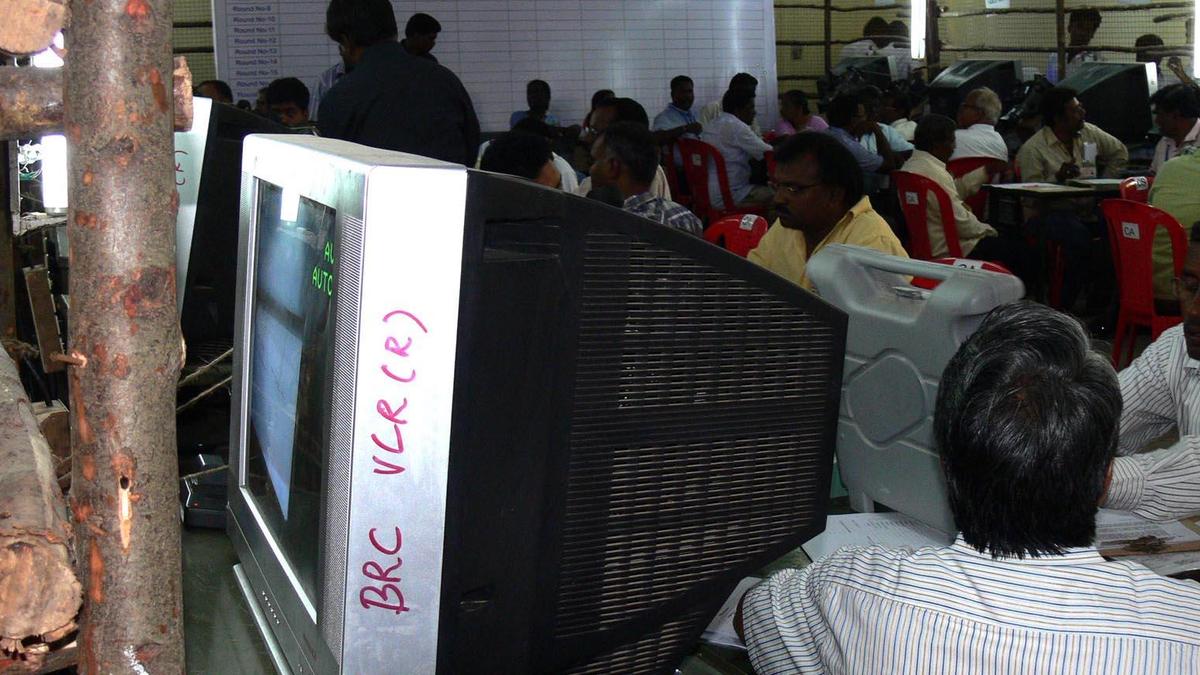
When the machines were first introduced, there was a mix of curiosity and worry. Many voters were used to the physical feel of a paper ballot and were not sure if a machine could be trusted. However, the ease of use quickly won people over. Political parties also had to adapt. Instead of waiting days to see if they had won, candidates now received updates every few minutes as each round of counting was completed. The quick results helped reduce the tension that often builds up during a long wait, making the transition of power smoother.
What This Means Going Forward
The success of the 2001 election paved the way for even more technology in voting. Since then, the system has continued to improve. For example, the Election Commission later added the VVPAT system, which prints a small slip of paper so voters can see that their vote went to the right person. The 2001 rollout proved that a large state like Tamil Nadu could handle a total shift to digital voting. Today, the idea of going back to paper ballots seems almost impossible to most voters because they have grown used to the speed and clarity that the machines provide.
Final Take
The 2001 Assembly election was more than just a political contest; it was a technological revolution for Tamil Nadu. By moving away from paper and ink, the state set a standard for how modern elections should be run. This change ensured that the voice of the people could be heard and counted with more accuracy and speed than ever before. It remains one of the most significant moments in the history of the state's democratic journey.
Frequently Asked Questions
When were EVMs first used in all of Tamil Nadu?
EVMs were used in all 234 Assembly segments of Tamil Nadu for the first time during the 2001 elections.
Which other states started using EVMs at the same time?
Along with Tamil Nadu, Kerala, Puducherry, and West Bengal also saw a full rollout of the machines during their elections in 2001.
Why are EVMs considered better than paper ballots?
EVMs are faster to count, reduce the number of invalid votes caused by smudged ink, and make the overall election process more efficient and organized.



