
Summary
The Madras High Court is set to deliver a key ruling regarding the 2026 Tamil Nadu Assembly elections. The court has been reviewing legal challenges against the rules set for live webcasting during the upcoming polls. Two security and monitoring companies have questioned the requirements listed in the official government tender. This decision is important because it will determine how the election is monitored and which companies are allowed to provide technical services for the voting process.
Main Impact
The court's decision will directly affect the transparency and security of the 2026 elections in Tamil Nadu. Live webcasting is a vital tool used by the Election Commission to watch polling stations in real-time. By reviewing the tender conditions, the court is ensuring that the process of hiring these companies is fair and open. If the court finds the rules are too strict or unfair, the government may have to change its requirements. This could lead to more companies competing for the job, but it might also change the timeline for election preparations.
Key Details
What Happened
Two separate surveillance firms filed cases in the Madras High Court. One company is based in Chennai, while the other operates out of Delhi. Both firms are unhappy with the specific conditions the government has set for the live webcasting contract. They argue that these rules might prevent many capable companies from applying for the work. The Chief Justice’s Bench listened to the arguments from both the companies and the government representatives before deciding to pass the final orders on March 17.
Important Numbers and Facts
The legal battle focuses on the 2026 Tamil Nadu Assembly elections, which are expected to be a major political event. Thousands of polling booths across the state will need high-speed internet and camera setups to stream video directly to election officials. The tender in question involves a significant amount of money and requires the chosen companies to handle massive amounts of data. The court's involvement ensures that the public money spent on these services is used in a way that follows legal standards of fairness.
Background and Context
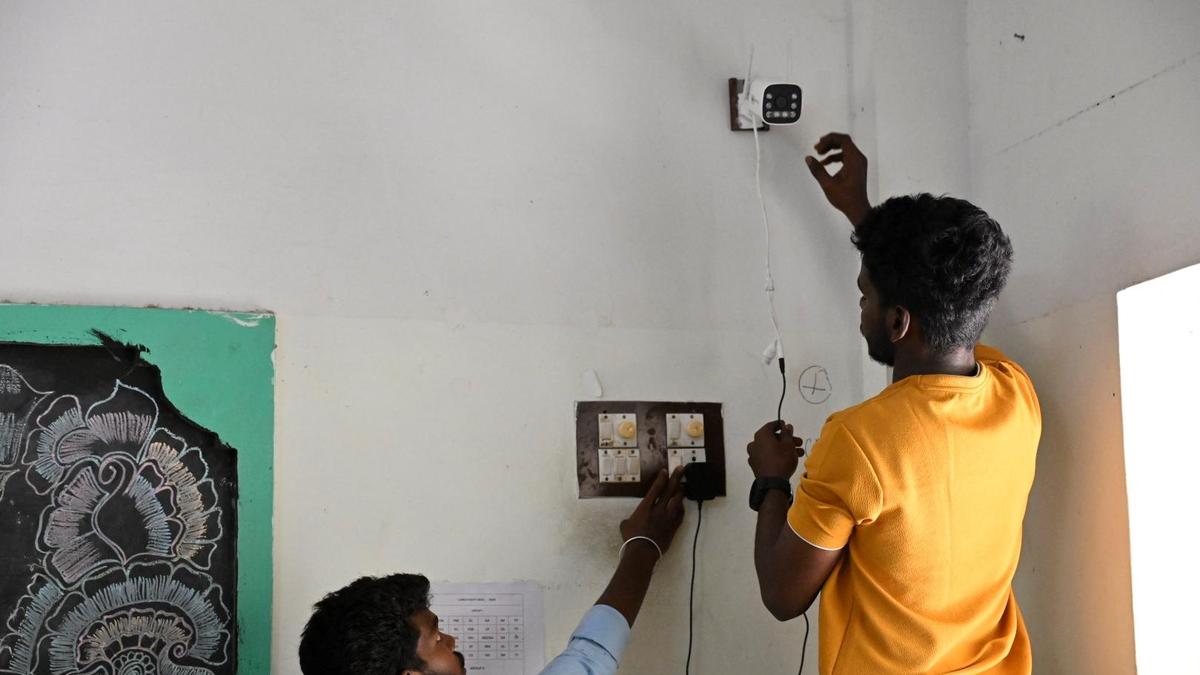
In recent years, the Election Commission has increased the use of technology to make voting safer and more honest. Live webcasting allows officials to see what is happening inside a polling station from a central control room. This helps prevent problems like illegal voting or people trying to interfere with the ballot boxes. However, setting up this technology is a huge task. The government usually asks for companies with a lot of experience and high financial stability. Smaller companies often feel these rules are designed to favor only the largest firms, leading to legal disputes like the one currently in the Madras High Court.
Public or Industry Reaction
The tech and security industry is watching this case closely. Many business owners believe that government tenders should be more inclusive to allow local and medium-sized firms to grow. On the other hand, election experts argue that because the security of a vote is so important, only the most reliable companies should be hired. The public generally wants an election process that is free from any technical glitches. People are looking for a balance where the technology is top-quality, but the process of choosing the provider is clean and transparent.
What This Means Going Forward
Once the Madras High Court gives its final order, the path for the 2026 election preparations will be clearer. If the court supports the current tender rules, the government will move quickly to pick a winner and start the setup. If the court asks for changes, the government will need to rewrite the rules and start the bidding process again. This could put pressure on the schedule, but it would ensure that the legal concerns are fully addressed. Either way, the final goal is to have a robust monitoring system ready well before the first voter walks into a polling booth.
Final Take
The legal challenge highlights the growing importance of technology in modern democracy. While the government needs the best tools to protect the vote, it must also follow fair business practices. The Madras High Court’s ruling will serve as a guide for how technology contracts should be handled for future elections. Ensuring a fair start for the companies involved is the first step toward ensuring a fair election for the citizens of Tamil Nadu.
Frequently Asked Questions
What is live webcasting in elections?
It is a system where cameras are placed in polling stations to stream live video to election officials. This helps them monitor the voting process and stop any illegal activity immediately.
Why are companies challenging the tender rules?
The companies believe the requirements set by the government are too difficult to meet or unfair. They want the court to ensure that the bidding process allows for more competition.
When will the court make a final decision?
The Madras High Court Chief Justice’s Bench has scheduled the final orders for March 17, 2026, after hearing arguments from all sides involved in the case.



