
Summary
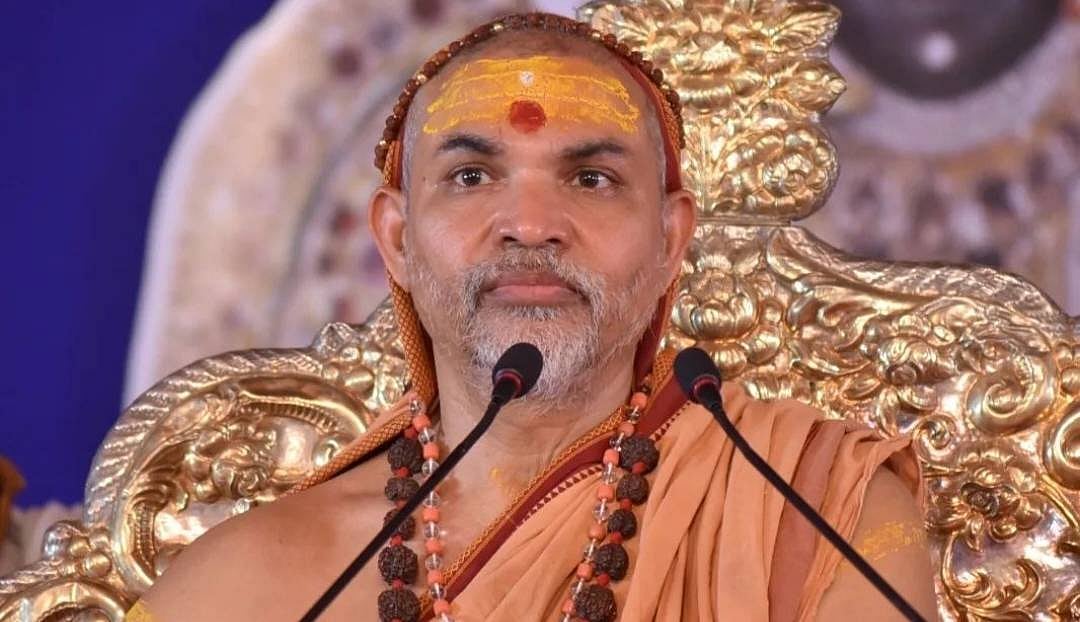
Swami Avimukteshwaranand Saraswati has approached the Allahabad High Court to request anticipatory bail. This legal move follows the registration of a First Information Report (FIR) against him involving serious charges. The case includes allegations under the Protection of Children from Sexual Offences (POCSO) Act and the Bharatiya Nyaya Sanhita (BNS). The religious leader is seeking protection from arrest while the investigation into these claims continues.
Main Impact
The filing of this case against a high-profile religious figure has created a significant stir in both legal and religious circles. Because the charges involve the POCSO Act, the legal requirements for investigation are very strict. The request for anticipatory bail is a critical step for the Swami to avoid being taken into custody while his lawyers argue that the claims are part of a larger plot against him. This situation also puts a spotlight on the relationship between religious institutions and law enforcement in the region.
Key Details
What Happened
The legal trouble began when an FIR was lodged at the Jhunsi police station in Prayagraj. The complaint was filed against Swami Avimukteshwaranand and his disciple, Mukundanand Brahmachari. The accusers, who include Ashutosh Brahmachari Maharaj and two others, claim that sexual abuse took place over the past year. According to the complaint, these incidents happened at a gurukul and during religious events, such as the Magh Mela in Prayagraj. The police did not file the case immediately but did so after a special judge under the POCSO Act ordered them to take action.
Important Numbers and Facts
The FIR identifies two main accused individuals and mentions two or three other unidentified people. The allegations involve two victims, one of whom is legally a minor. The Swami’s legal team sent a formal notice to the government advocate's office before submitting the bail application to the High Court. The Swami has publicly linked the start of administrative pressure against him to January 18, which was the day of Mauni Amavasya, a major bathing day during the Magh Mela festival.
Background and Context
To understand this case, it is important to know what the POCSO Act is. It is a special law in India designed to protect children from sexual crimes. Because children are vulnerable, the law requires police to act quickly and makes it harder for the accused to get bail. Swami Avimukteshwaranand is a well-known figure who has recently been involved in several public debates. He had a public disagreement with the organizers of the Magh Mela after he was reportedly stopped from taking a ritual bath. He is also a vocal supporter of a campaign to protect cows, which he believes has made him a target for the authorities.
Public or Industry Reaction
The Swami has strongly denied all the charges. Speaking to the media at Vidya Math in Varanasi, he called the allegations a "conspiracy." He even showed a photograph to reporters which he claimed showed a police officer from Prayagraj celebrating with one of the complainants. He suggested that this photo proves the police and the accusers are working together to ruin his reputation. Furthermore, he mentioned that officials from the Varanasi Development Authority recently surveyed his premises, which he views as another form of harassment. While the Swami has been vocal, the police and local government officials have mostly remained focused on the legal process, stating that the investigation is still ongoing and will follow the law.
What This Means Going Forward
The next major step is the hearing at the Allahabad High Court. The court will look at the evidence provided by the police and the arguments made by the Swami’s lawyers to decide if he should be granted protection from arrest. If the bail is denied, the police may move to take him into custody for questioning. The investigation will also need to verify the claims made by the victims, including medical exams and witness statements. This case is likely to remain in the news as it involves a mix of serious criminal charges, religious leadership, and claims of political interference.
Final Take
This legal battle highlights the tension that can arise when powerful religious figures face serious criminal accusations. While the law must protect the rights of victims, especially minors, it must also ensure that the legal process is not used for personal or political vendettas. The outcome of the anticipatory bail plea will be the first major indicator of how the court views the strength of the evidence against the Swami. For now, the focus remains on the police investigation and the upcoming court sessions.
Frequently Asked Questions
What is anticipatory bail?
Anticipatory bail is a legal direction that allows a person to remain free even if they are accused of a crime. It is requested when someone fears they might be arrested for a crime they claim they did not commit.
Why is the POCSO Act mentioned in this case?
The POCSO Act is mentioned because one of the people making the allegations is a minor. This law provides specific protections for children and sets strict rules for how the police and courts must handle sexual abuse cases involving minors.
What are the Swami's main defenses?
The Swami claims the charges are false and part of a conspiracy. He believes he is being targeted because of his religious activism and a recent dispute with local officials during the Magh Mela festival.

