
Summary
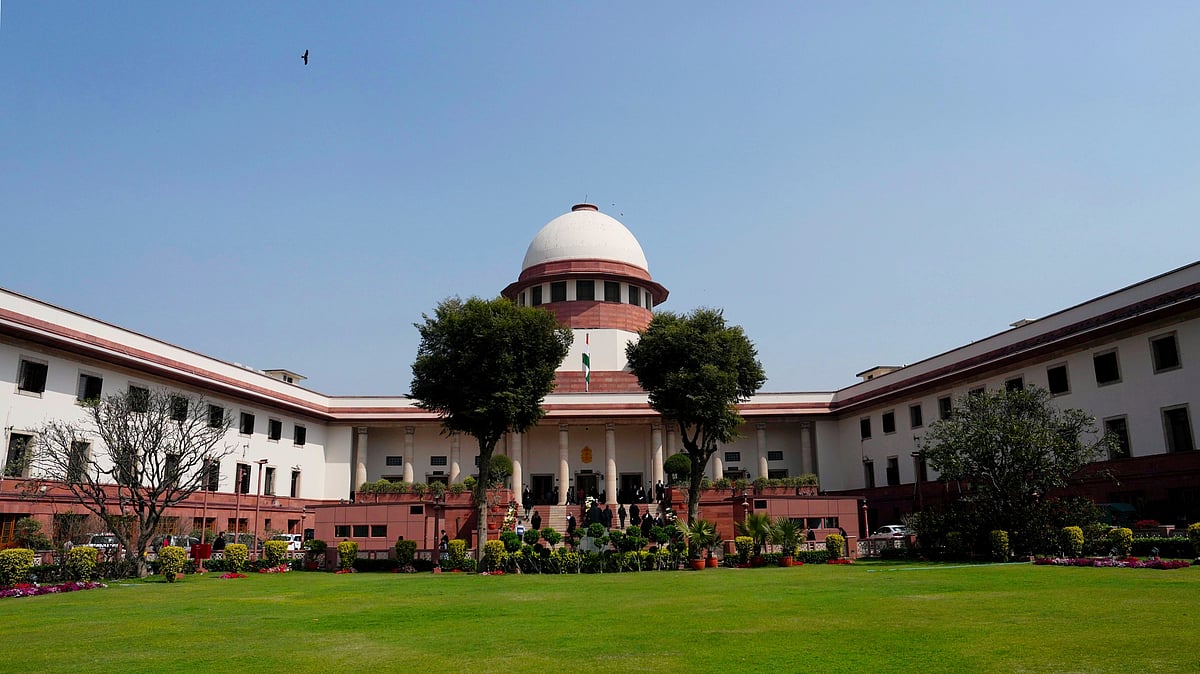
The Supreme Court of India has officially rejected a request to make voting compulsory for all citizens. A petition was filed asking the court to force people to vote and punish those who do not participate in elections. However, the judges stated that voting should be a voluntary act based on personal choice and awareness. The court explained that making such a major change to the law is a job for the government and lawmakers, not for the legal system.
Main Impact
This decision ensures that voting remains a right rather than a legal obligation in India. By refusing to entertain the plea, the Supreme Court has protected citizens from potential penalties or the loss of government benefits for failing to cast a ballot. The ruling emphasizes that the strength of a democracy comes from people wanting to participate because they understand its importance. It also prevents the creation of harsh rules that could have unfairly targeted the poor or those who work in essential services.
Key Details
What Happened
A petitioner named Ajay Goel approached the Supreme Court with a Public Interest Litigation (PIL). He argued that every citizen should be legally required to vote to strengthen the democratic process. His proposal included several strict measures, such as charging fines to people who skip the polls. He even suggested that the government should stop providing certain benefits to those who choose not to vote. A three-judge bench, led by Chief Justice of India Surya Kant, heard the case on Thursday but decided not to move forward with it.
Important Numbers and Facts
The bench consisted of Chief Justice Surya Kant and Justices Joymalya Bagchi and Vipul M. Pancholi. During the discussion, the court highlighted that many people face real struggles that prevent them from voting. For example, millions of daily wage earners might lose a day's pay if they stand in long lines at polling stations. The court also noted that people working in hospitals, police departments, and other emergency services often cannot leave their posts on election day. The judges told the petitioner that if he wants to change the law, he should talk to the people who write the rules instead of asking the court to step in.
Background and Context
In India, voting has always been seen as a civic duty and a fundamental right. Over the years, there have been many debates about how to increase the number of people who show up to vote. Some believe that if everyone were forced to vote, the government would better represent the entire population. However, others argue that the freedom to choose includes the freedom to stay away if a person does not support any of the candidates.
The Supreme Court explained that in a country governed by the rule of law, people should be encouraged to vote through education. They believe that when people understand how their vote affects their lives, they will go to the polls on their own. The court made it clear that using fear or punishment to get people to vote is not the right way to handle the situation in a free society.
Public or Industry Reaction
The court's reaction was very clear: democracy is about voluntary participation. The judges expressed concern that penalizing people would be unfair and hard to manage. Legal experts have often pointed out that forcing people to vote could lead to "protest voting," where people pick a candidate at random just to avoid a fine. This would not actually help the country make better decisions. Many social activists also agree with the court, noting that the most vulnerable people in society would suffer the most if government benefits were tied to voting records.
What This Means Going Forward
Since the court has stepped back, the focus will now return to the Election Commission and the government. They will likely continue to use advertisements, school programs, and community events to teach people about the value of their vote. There may also be more discussions about how to make voting easier for people who live far from their home towns, such as migrant workers. Instead of using force, the goal will be to remove the barriers that stop people from reaching the polling booths. This could include better transport options or more flexible voting hours for workers.
Final Take
The Supreme Court has sent a strong message that democracy cannot be forced. While every vote is important, the act of voting must remain a free choice made by informed citizens. By focusing on awareness rather than punishment, the court has upheld the idea that a healthy democracy grows through education and trust. The responsibility now lies with the public and the government to ensure that more people feel motivated to participate in the future of the country.
Frequently Asked Questions
Is voting mandatory in India?
No, voting is not mandatory in India. It is a right and a civic duty, but citizens are not legally forced to cast a ballot or punished if they do not.
Why did the Supreme Court reject the plea?
The court rejected the plea because it believes voting should be voluntary. The judges also stated that making laws about compulsory voting is a policy matter for the government, not the courts.
What were the suggested punishments for not voting?
The petitioner suggested that people who do not vote should face penalties and potentially lose access to certain government benefits or services.

