
Summary
The Supreme Court of India is taking a firm step to clean up the air in Delhi and its surrounding areas. The court has asked the central government to respond to a plan that would move all coal-based industries out of the National Capital Region (NCR). This proposal also suggests that no new coal power plants should be built within 300 kilometers of the city. The goal is to reduce the heavy pollution that affects millions of people living in and around the capital.
Main Impact
This move could lead to a massive change in how energy is produced and used near the capital. By pushing coal-based factories away, the court aims to lower the levels of toxic smoke and soot in the air. If the plan is approved, it will force industries to either move to distant locations or switch to cleaner fuels like natural gas or electricity. This is expected to have a direct and positive effect on the health of residents who suffer from breathing problems due to poor air quality.
Key Details
What Happened
A Supreme Court bench led by Chief Justice Surya Kant, along with Justices Joymalya Bagchi and Vipul M. Pancholi, reviewed the current pollution crisis. They focused on a report from the Commission for Air Quality Management (CAQM). The court has now asked three main central ministries—Environment, Power, and Petroleum—to give their official feedback on moving coal industries. The court wants to know if these ministries agree with the plan and how it can be done safely without hurting the economy too much.
Important Numbers and Facts
The court is looking at several specific rules and dates to ensure the plan moves forward. One of the most important points is the 300-kilometer rule. This rule would ban any new coal-based thermal power plants from being set up within that distance from Delhi. Additionally, the court has set a deadline for the next hearing on March 12, 2026. On that day, the judges will look specifically at pollution caused by cars, trucks, and buses. Earlier, on January 21, the court had already given the government four weeks to come up with a solid plan to fix the rising Air Quality Index (AQI) levels.
Background and Context
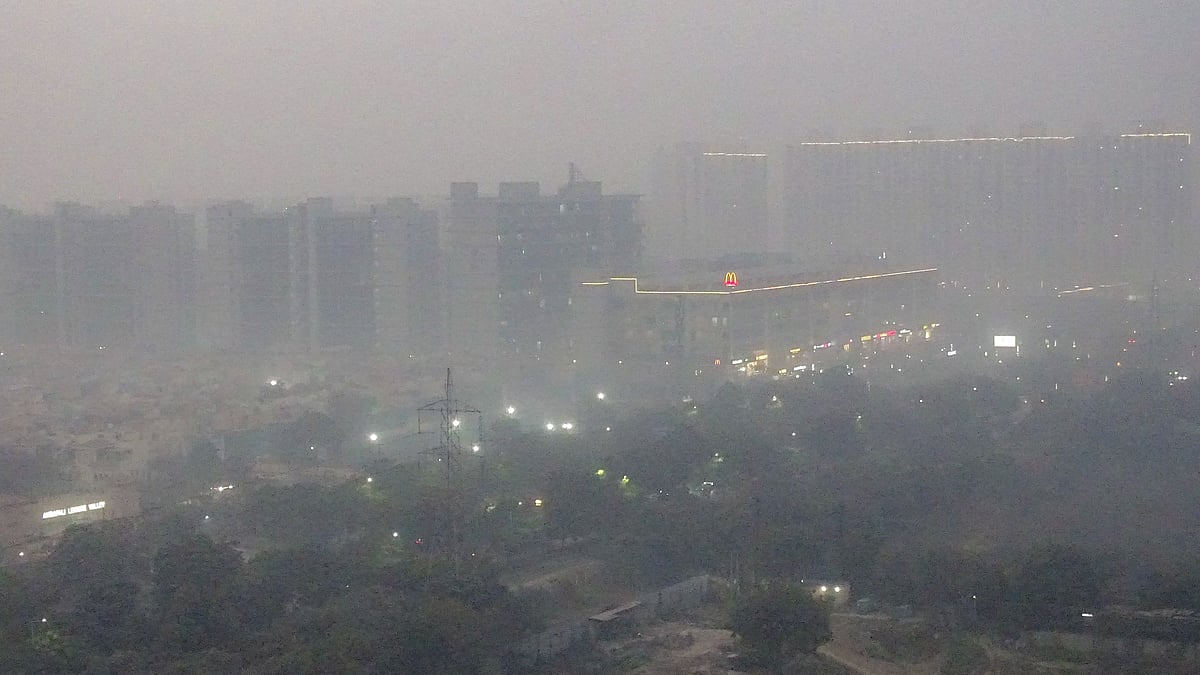
For many years, Delhi has been known as one of the most polluted cities in the world. During the winter months, the air often becomes "severe," making it hard for people to breathe. This pollution comes from many sources. While smoke from farmers burning crop waste in nearby states is a big factor, factories and power plants that burn coal are constant sources of pollution throughout the year. Coal releases sulfur dioxide and tiny particles that stay in the lungs. The CAQM was created by the government to find long-term solutions to this problem, rather than just temporary fixes when the air gets bad.
Public or Industry Reaction
The court has ordered the states of Uttar Pradesh, Haryana, and Rajasthan to talk to the people and businesses that will be affected. These states must put out public notices so that factory owners and other groups can share their thoughts or objections. The court wants to hear from the industries before making a final decision. While environmental groups are happy with the move, some industry leaders are worried about the cost of moving their factories or changing their equipment. The states must collect all this feedback and report back to the Supreme Court.
What This Means Going Forward
The next few months will be critical for the industrial sector around Delhi. If the court decides to enforce the relocation, hundreds of factories may have to find new homes. The government will also need to speed up the transition to green energy. The CAQM is already working on other steps, such as reducing dust from building sites, planting more trees, and stopping the burning of waste. The focus is now shifting from short-term emergency measures to permanent changes in how the region operates. The hearing on March 12 will likely introduce new rules for vehicles, which could mean more electric buses or stricter emission checks.
Final Take
The Supreme Court is sending a clear message that public health is more important than industrial convenience. By targeting coal, the court is attacking one of the biggest causes of dirty air. While the transition will be difficult for many businesses, it is a necessary step to ensure that the air in the national capital becomes breathable again. The success of this plan will depend on how well the central government and state governments work together to provide cleaner alternatives for the industry.
Frequently Asked Questions
Why does the court want to move coal industries?
Coal industries release a lot of smoke and harmful particles that stay in the air. Moving them away from the crowded Delhi-NCR region will help reduce the thick smog and improve the overall air quality for residents.
What is the 300-kilometer rule?
This is a proposal that would stop any company from building a new coal-burning power plant within 300 kilometers of Delhi. This ensures that no new major sources of pollution are added near the city.
Which states are involved in this order?
The states of Uttar Pradesh, Haryana, and Rajasthan are involved because they share borders with Delhi and have many industries that contribute to the region's air pollution. They must now gather feedback from local businesses about the relocation plan.

