
Summary
The Indian Air Force (IAF) has officially started a Court of Inquiry to investigate a recent incident involving a Sukhoi-30 MKI fighter jet. The high-tech aircraft experienced what pilots call a "hard landing" at the Pune airport. This event led to the temporary closure of the runway, which is shared by both military and civilian planes. While no injuries were reported, the incident caused significant delays for commercial travelers and raised questions about the cause of the rough touchdown.
Main Impact
The primary impact of this hard landing was the immediate shutdown of flight operations at Pune airport. Because the fighter jet was stuck on the single runway, all incoming and outgoing commercial flights had to be stopped. This created a ripple effect across the country's air travel network, as Pune is a major hub for business and tourism. Hundreds of passengers were left waiting in the terminal, and several flights had to be diverted to other cities like Mumbai or diverted back to their starting points. The incident highlights the logistical difficulties of running a busy civilian airport on a military airbase.
Key Details
What Happened
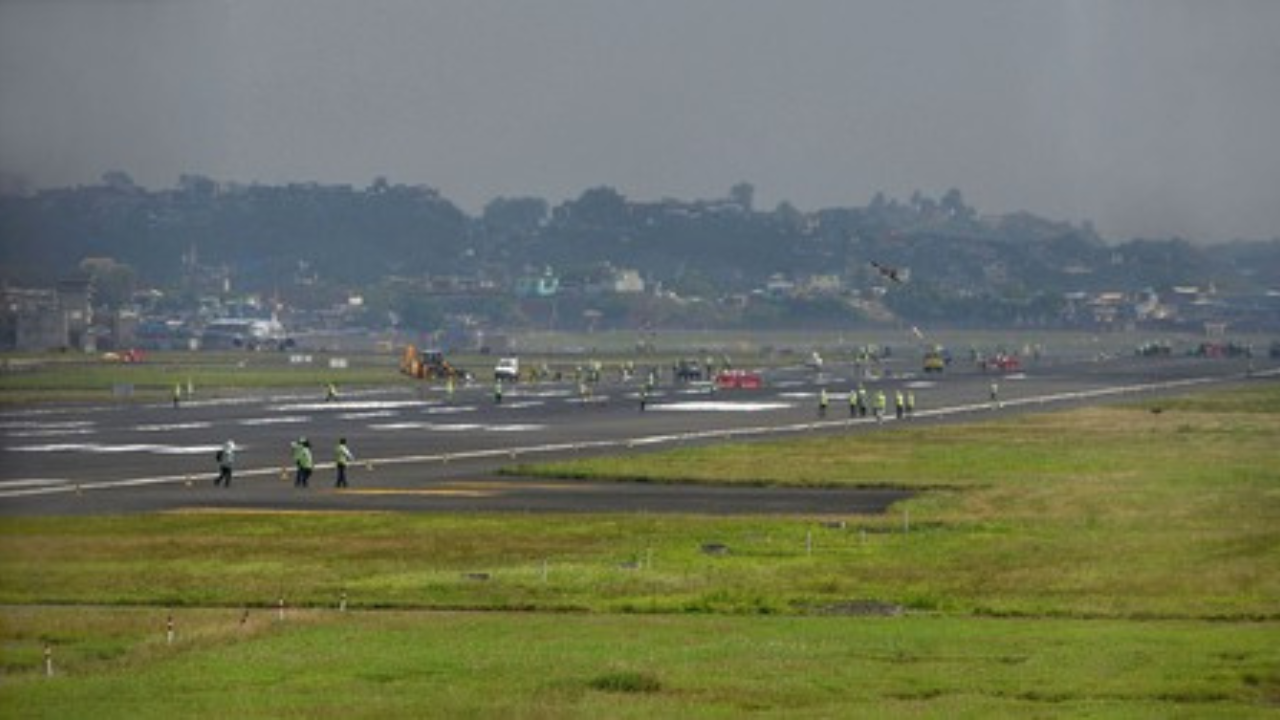
During a routine training flight, a Sukhoi-30 MKI fighter jet approached the runway at Pune for landing. For reasons that are still being investigated, the aircraft hit the ground with much more force than is standard. This type of landing can put extreme stress on the plane's structure, especially the landing gear and the tires. After the hard impact, the jet came to a stop on the runway. Ground crews had to be called in to inspect the aircraft and move it safely to a hangar so that the runway could be reopened for other traffic.
Important Numbers and Facts
The incident occurred during the daytime, which helped emergency teams respond quickly. The runway remained closed for approximately two to three hours while the Air Force cleared the area. The Sukhoi-30 MKI is a twin-engine, heavy fighter jet that weighs a significant amount, making it difficult to move if it cannot taxi under its own power. The Indian Air Force operates a large fleet of these Russian-designed jets, and they are considered the backbone of India’s air defense. This specific aircraft is part of the fleet stationed at the Lohegaon Air Force Station in Pune.
Background and Context
Pune airport is a unique facility because it is a "civil enclave" within a military base. The Indian Air Force owns and controls the runway and the air traffic control, while the Airports Authority of India manages the passenger terminal. This arrangement means that military drills and commercial flights must share the same space. The Sukhoi-30 MKI is a very powerful and complex machine. It is designed for high-speed combat and long-range missions. Because it is so heavy and fast, landing it requires great precision. Any small error in speed or angle can lead to a rough landing. The Air Force takes these incidents very seriously because each jet costs millions of dollars and is vital for national security.
Public or Industry Reaction
The reaction from the public was mostly focused on the travel delays. Many passengers took to social media to share photos of the crowded terminal and ask for updates on their flights. Airlines had to work quickly to rebook passengers and provide information about the new flight times. Within the aviation industry, experts are looking at the incident as a reminder of the risks involved in shared-use airports. Military officials have remained quiet about the specific details of the damage, but they emphasized that the safety of the pilots and the public is their top priority. The swift order for a Court of Inquiry shows that the IAF wants to find the root cause as quickly as possible to ensure it does not happen again.
What This Means Going Forward
The Court of Inquiry will now look at several factors to understand why the hard landing happened. Investigators will check the flight data recorder, which is often called the "black box," to see the plane's speed, altitude, and mechanical status at the time of the landing. They will also talk to the pilots to hear their account of the event. The investigation will determine if the cause was a technical failure, such as a problem with the brakes or flight controls, or if it was caused by environmental factors like sudden wind changes. Depending on the findings, the IAF might update its training programs or perform extra maintenance checks on the rest of the Sukhoi fleet. For the airport, this event may lead to new discussions about how to handle emergencies more quickly to reduce the impact on civilian travelers.
Final Take
While the hard landing at Pune airport caused a stressful day for many travelers, the most important outcome is that there were no casualties. The investigation by the Indian Air Force will provide the necessary answers to keep both military pilots and civilian passengers safe. This event serves as a clear example of the complex balance required when military operations and public transportation share the same runway.
Frequently Asked Questions
What exactly is a hard landing?
A hard landing happens when an aircraft hits the runway with more vertical speed and force than normal. It is often caused by weather conditions, technical issues, or errors during the final approach. It can cause damage to the plane's landing gear and frame.
Were the pilots or passengers in danger?
The two pilots on board the Sukhoi-30 MKI were not injured and managed to bring the plane to a stop safely. There were no civilian passengers involved in the incident itself, though many people at the airport experienced delays because the runway was blocked.
Why does a military incident stop civilian flights in Pune?
Pune airport uses a single runway that is owned by the Indian Air Force. Since there is only one strip for planes to take off and land, any aircraft that gets stuck or has an accident on that runway completely stops all other air traffic until the area is cleared and checked for safety.



