
Summary
The Supreme Court of India has provided major legal relief to filmmaker Sujoy Ghosh by ending a long-running copyright case. The case was related to his 2016 movie, Kahaani 2, which was accused of using a script without permission. By stopping the legal proceedings in a Jharkhand court, the top court has closed a chapter that lasted for several years. This decision removes the threat of criminal charges that the director had been facing since 2018.
Main Impact
The main impact of this ruling is the immediate stop of all criminal actions against Sujoy Ghosh in the state of Jharkhand. For years, the filmmaker had to deal with the stress of a pending court case that questioned his creative honesty. The Supreme Court's decision to step in shows that higher courts are willing to stop legal battles if they feel the case does not have enough merit to continue. This move protects creators from long and difficult trials when the evidence of a crime is not clear.
Key Details
What Happened
A bench of the Supreme Court, including Justice P.S. Narasimha and Justice Alok Aradhe, officially cancelled the orders from lower courts. They set aside a 2018 order from a judge in Hazaribagh and a 2025 order from the Jharkhand High Court. The High Court had previously refused to stop the case, saying it did not want to hold a "mini-trial" before the actual trial began. However, the Supreme Court disagreed and decided that the case should not go any further.
Important Numbers and Facts
The legal trouble began when a man named Umesh Prasad Mehta filed a complaint. He claimed that he had written a script called Sabak and shared it with Sujoy Ghosh. Mehta alleged that Ghosh kept a copy of the script and used it to make Kahaani 2. The case was filed under Section 63 of the Copyright Act of 1957. This specific law deals with the infringement of copyright and can lead to criminal penalties. The dispute had been moving through different levels of the legal system for nearly eight years before this final ruling.
Background and Context
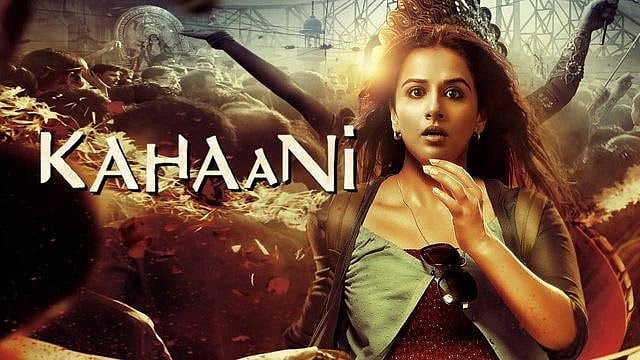
Copyright laws are designed to protect the original work of writers, artists, and filmmakers. In the movie industry, it is common for writers to share their ideas or scripts with directors and producers. Sometimes, this leads to disagreements if a finished movie looks similar to a script that was shared earlier. Kahaani 2, starring Vidya Balan, was a highly anticipated sequel to the hit film Kahaani. Because the first movie was so successful, the sequel was under a lot of public attention. When the allegations of script theft surfaced, it created a cloud of doubt over the production.
In India, copyright disputes can be handled in two ways. They can be civil cases, where one person asks for money or credit, or they can be criminal cases, which can lead to jail time or fines. In this instance, the case was treated as a criminal matter, which is why the filmmaker was so eager to have the proceedings stopped by the higher courts.
Public or Industry Reaction
The film industry often watches these cases closely. Many directors and writers feel that they are sometimes targeted with false or weak claims once a movie becomes famous. While the complainant, Mehta, felt his work was taken, the legal system eventually found that the criminal case should not continue. The Jharkhand High Court had originally thought the matter should be tested during a full trial, but the Supreme Court’s intervention suggests a more protective stance toward filmmakers facing such accusations.
What This Means Going Forward
This ruling serves as a reminder of how difficult it is to prove copyright theft in a criminal court. Going forward, it may encourage people with similar complaints to seek civil solutions rather than trying to start criminal trials. For Sujoy Ghosh, this means he can continue his work without the weight of this specific legal battle. It also highlights the role of the Supreme Court in ensuring that the legal process is not used to drag out cases that may not have a strong foundation. The decision brings much-needed clarity to the boundary between taking inspiration from an idea and actually breaking copyright laws.
Final Take
The Supreme Court has sent a clear message by quashing this case. By ending the proceedings, the court has prioritized the need for a fair and efficient legal system over long-standing disputes that lack sufficient grounds for criminal prosecution. This victory for Sujoy Ghosh marks the end of a difficult period and allows the creative community to see how the law balances the rights of writers with the protection of filmmakers.
Frequently Asked Questions
Why did the Supreme Court stop the case?
The Supreme Court decided that continuing the criminal proceedings against Sujoy Ghosh was not necessary or justified based on the facts of the case.
What was the movie involved in the dispute?
The dispute was about the 2016 film Kahaani 2, which was directed by Sujoy Ghosh and featured Vidya Balan in the lead role.
What is Section 63 of the Copyright Act?
Section 63 is a part of Indian law that makes it a crime to knowingly break copyright rules. It can result in fines and imprisonment for those found guilty.

