
Summary
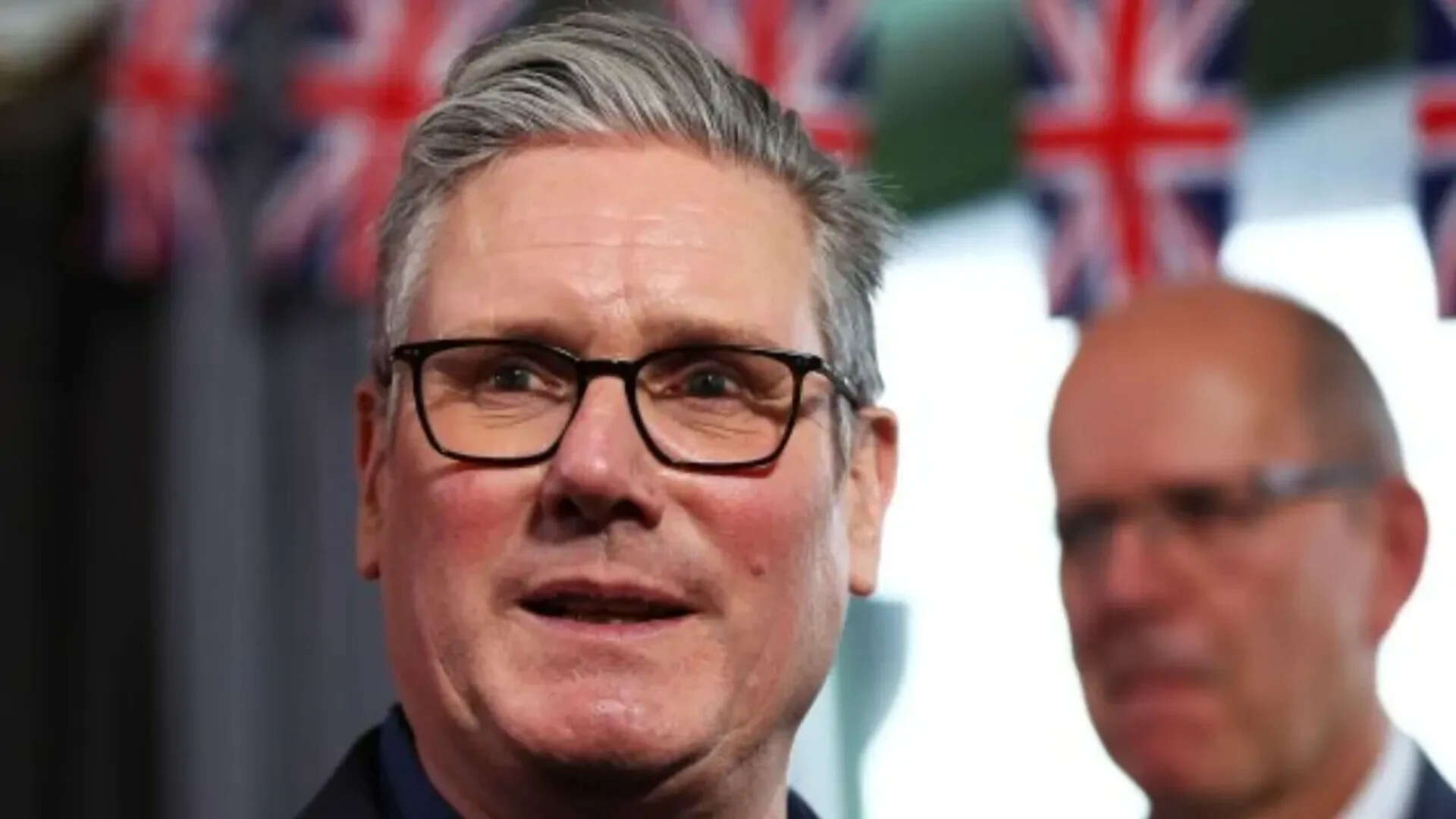
UK Prime Minister Keir Starmer has announced a high-level summit with France to address the ongoing crisis in the Strait of Hormuz. The Prime Minister described the current closure of this vital shipping route as "deeply damaging" to the global economy. This meeting aims to find a way to reopen the path for ships and ensure that trade can move freely again. The situation has caused concern worldwide as energy prices and supply chains face new pressures.
Main Impact
The closure of the Strait of Hormuz has an immediate and heavy impact on the world's energy supply. Because this narrow stretch of water is the main exit for oil from the Middle East, any block causes oil prices to jump quickly. For regular people, this means higher costs for gasoline and heating. Beyond energy, the closure affects the movement of food and manufactured goods, leading to delays and higher prices in grocery stores and shops across Europe and the UK.
Key Details
What Happened
In a recent statement, Keir Starmer confirmed that the UK and France would lead a joint effort to restore safety in the region. The Strait of Hormuz has become a site of high tension, leading to a stop in normal shipping traffic. The UK government believes that working closely with French leaders is the best way to use diplomacy and naval strength to clear the path. The summit will focus on how to protect commercial ships and prevent further interference from local powers.
Important Numbers and Facts
The Strait of Hormuz is one of the most important places for trade in the world. At its narrowest point, the shipping lanes are only two miles wide. About 20% of the world's total oil supply passes through this area every single day. This amounts to roughly 20 million barrels of oil. Additionally, a large portion of the world’s liquefied natural gas (LNG) moves through this route. If the closure lasts for a long time, experts warn that global economic growth could slow down significantly.
Background and Context
To understand why this matters, one must look at where the Strait of Hormuz is located. It sits between Oman and Iran, connecting the Persian Gulf with the Gulf of Oman and the Arabian Sea. It is the only way for big tankers to get oil from major producers like Saudi Arabia, Kuwait, and the UAE to the rest of the world. Because it is so narrow, it is very easy for a country or a group to block it. In the past, tensions between Iran and Western nations have often led to threats or actual blocks in this area. The UK and France have a long history of working together on sea safety, and this new summit is a continuation of that partnership.
Public or Industry Reaction
Shipping companies have reacted with a mix of fear and hope. Many large firms have already told their ships to take longer, more expensive routes around Africa to avoid the danger. This adds weeks to travel times and millions of dollars in fuel costs. Business leaders in the UK have welcomed Starmer’s announcement, saying that the government must act fast to stop inflation from rising further. Meanwhile, some political critics are asking for more details on whether this summit will lead to a military presence or if it will remain a purely diplomatic talk.
What This Means Going Forward
The upcoming summit will likely result in a new plan for "maritime security." This could mean that the UK Royal Navy and the French Navy will start escorting merchant ships through the Strait. While this helps keep trade moving, it also carries the risk of making the situation more tense. If the talks are successful, we could see oil prices stabilize in the coming weeks. However, if the two countries cannot agree on a clear plan, the "deeply damaging" effects Starmer mentioned could become a long-term problem for the global economy.
Final Take
The decision to hold a summit shows that the UK and France recognize the Strait of Hormuz as a global priority that cannot be ignored. Reopening this route is not just about politics; it is about making sure people can afford their daily needs. The success of Keir Starmer’s plan will depend on how well these two nations can work together to bring stability back to one of the world's most sensitive water passages.
Frequently Asked Questions
Why is the Strait of Hormuz so important?
It is the world's most important oil chokepoint. A huge portion of the world's oil and gas must pass through this narrow area to reach international markets.
Why are the UK and France working together?
Both countries have strong navies and a shared interest in keeping trade routes open. Working together gives them more influence and resources to solve the problem than working alone.
How does this affect the average person?
When the Strait is closed, the price of oil goes up. This usually leads to higher prices for gas at the pump, more expensive electricity, and higher costs for goods delivered by truck or ship.

