Summary
The world is facing a major energy crisis as the Strait of Hormuz remains under a strict lockdown. Experts warn that global oil supplies could run dangerously low within just a few weeks if the situation does not change. Amidst this tension, Donald Trump has suggested he could bring an end to the conflict, though he continues to criticize international leaders like the Pope and NATO officials. At the same time, the tech industry is struggling with the high cost of AI equipment, while the travel sector prepares for a massive profit boost from the upcoming World Cup.
Main Impact
The most immediate concern is the threat to the global economy caused by the oil shipping blockade. The Strait of Hormuz is a vital path for oil tankers, and its closure means that energy supplies cannot reach the countries that need them most. If this lockdown continues, businesses and families around the world could see a sharp rise in costs for fuel and electricity. This creates a sense of urgency for political leaders to find a solution before the current reserves run out completely.
Key Details
What Happened
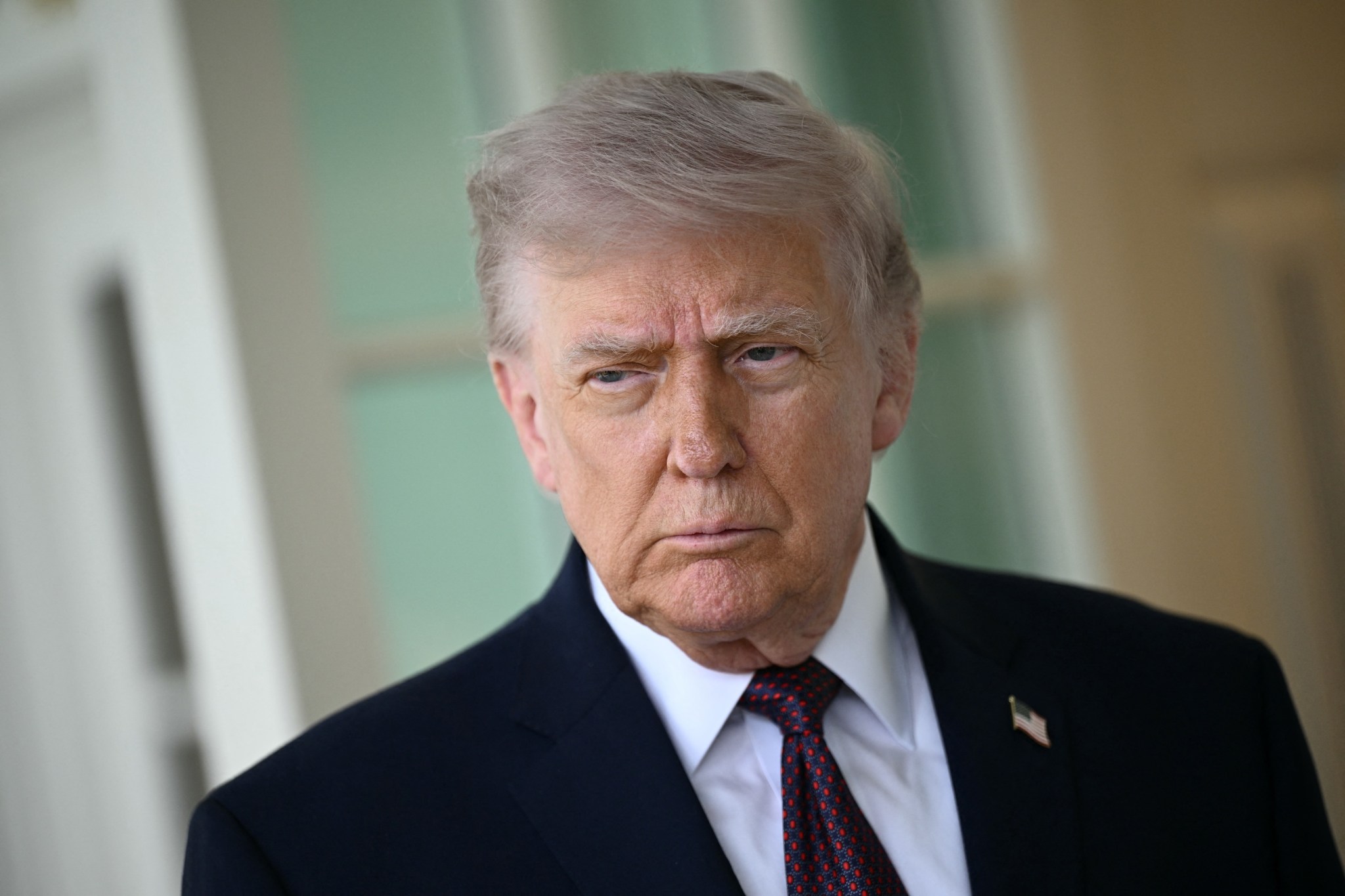
The current crisis centers on the Strait of Hormuz, a narrow waterway that connects oil producers in the Middle East to the rest of the world. A total lockdown of this area has stopped the flow of millions of barrels of oil. While this is happening, Donald Trump has publicly hinted that he has a plan to stop the war causing the blockade. However, his message is mixed, as he has also spent time attacking long-standing allies in NATO and criticizing the Pope. In the financial world, stock markets are surprisingly up, even though the threat of an energy shortage is looming.
Important Numbers and Facts
Data shows that the world is only a few weeks away from a major supply failure. In the technology sector, a new report reveals that large companies are losing billions of dollars on AI hardware. This equipment loses almost all its value in just three years because technology moves so fast. On a more positive note for the economy, hotel chains are expected to see record-breaking earnings during the World Cup as fans travel from all over the globe. Additionally, actor Jeremy Renner is moving into the tech space by investing in AI tools designed to help 911 operators respond to emergencies much faster than they do today.
Background and Context
To understand why the Strait of Hormuz matters, you have to look at how the world gets its energy. About one-fifth of the world's total oil supply passes through this small area. When it is blocked, there is no easy way to move that oil to other places. This is not the first time the area has seen conflict, but the current lockdown is particularly severe. The mention of Donald Trump’s involvement is also significant because he often claims he can handle international disputes differently than current leaders. His comments about NATO and the Pope show that he is still focused on changing how the United States interacts with the rest of the world.
Public or Industry Reaction
The reaction from the markets has been confusing for many experts. Usually, when oil supplies are threatened, oil prices go up. However, oil prices have recently dipped, while the stock market has stayed strong. This might be because investors hope that a deal will be reached soon to open the shipping lanes. In the tech industry, there is growing worry about the "AI bubble." Companies are spending huge amounts of money on chips and servers that become old and useless very quickly. This makes it hard for these companies to show a profit, even though AI is very popular right now.
What This Means Going Forward
The next few weeks will be critical for the global energy market. If the Strait of Hormuz does not open, we will likely see a sudden and sharp increase in oil prices. This could lead to higher inflation and slower economic growth. Politically, all eyes will be on whether Trump’s claims about ending the war have any weight or if they are just talk. We should also watch the tech sector to see if companies change how they spend money on AI. If hardware continues to lose value so quickly, these companies may have to find cheaper ways to build their systems.
Final Take
The world is at a crossroads where energy security, high-tech spending, and global politics meet. While the threat of an oil shortage is the most pressing issue, the underlying shifts in how we use AI and how we manage international relationships will have long-lasting effects. The coming month will reveal if diplomacy can win over conflict or if the global economy is headed for a difficult period of high costs and limited resources.
Frequently Asked Questions
Why is the Strait of Hormuz so important?
It is the main shipping route for oil coming out of the Middle East. A large portion of the world's daily oil supply must pass through this narrow water path to reach international markets.
Why are AI companies losing money on hardware?
The technology used for AI changes so fast that the expensive computers and chips bought today become outdated and lose their value within about three years. This makes it very expensive to stay current.
How will the World Cup affect the economy?
The event brings millions of people to host cities. This creates a huge demand for rooms, leading hotel chains to raise their prices and earn significantly more money than usual.