Summary
European leaders are currently facing a difficult choice regarding the growing tensions in the Middle East. While the United States is asking for help to protect ships in the Strait of Hormuz, many allies are worried about getting dragged into a larger war. However, these nations also realize that doing nothing is not a safe option. A total lack of action could lead to more ship seizures and a complete shutdown of vital trade routes that the whole world relies on for energy.
Main Impact
The primary issue is the safety of the Strait of Hormuz, which is a narrow and vital waterway. A large portion of the world's oil passes through this area every single day. Recent attacks on oil tankers and the seizure of ships have made the region very unstable. The U.S. government is pushing for a military coalition to guard these vessels, but European partners are skeptical. They fear that joining a U.S.-led military force might lead to a direct fight with Iran, which they want to avoid at all costs. This disagreement has created a split between long-time allies, making it harder to find a peaceful solution to the crisis.
Key Details
What Happened
Over the past several months, several oil tankers have been damaged by explosions or stopped by Iranian forces. In one major event, a British-flagged ship was taken into custody by Iran. The U.S. responded by starting a program called "Operation Sentinel." The goal of this program is to have warships from many countries sail together to scare off any potential attackers. While the U.S. wants everyone to join this group, European countries are trying to set up their own separate mission. They want to monitor the waters without looking like they are part of a U.S. military campaign.
Important Numbers and Facts
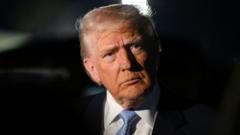
The Strait of Hormuz is only about 21 miles wide at its narrowest point. Despite its small size, about 20% of the world's total petroleum passes through it. This means that if the strait is blocked, gas prices would likely go up in almost every country. So far, only a few countries have officially joined the U.S. mission. Most European nations, including France and Germany, have remained cautious. They are worried that the U.S. strategy of "maximum pressure" is designed to collapse the Iranian government, a goal they do not necessarily share.
Background and Context
To understand why this is happening, we have to look back at the 2015 nuclear deal. This was an agreement where Iran promised to limit its nuclear program in exchange for the removal of economic punishments. A few years ago, the U.S. decided to leave this deal and put the punishments back in place. This move made Iran very angry, and they began to stop following the rules of the agreement. Since then, the situation has slowly gotten worse. Europe still wants to keep the nuclear deal alive, but they are finding it harder to do so as Iran continues to interfere with shipping in the Gulf.
Public or Industry Reaction
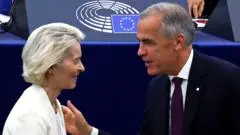
Shipping companies are very nervous about the current situation. Insurance costs for ships traveling through the Middle East have gone up significantly. Some companies have even told their captains to avoid the area if possible. Politically, leaders in Europe are walking a very thin line. They want to show they support international law and the freedom of the seas, but they do not want to look like they are taking orders from Washington. In Germany and France, there is a lot of public pressure to stay out of any new wars in the Middle East, which makes it hard for politicians to send warships to the region.
What This Means Going Forward
Moving forward, we might see two different naval groups working in the same area. One will be led by the U.S., and the other will likely be a European-led observation mission. This split shows how much the relationship between the U.S. and its allies has changed. If another ship is seized or attacked, the pressure to act will become much stronger. The biggest risk is that a small mistake or a misunderstanding could start a war that no one is prepared for. Diplomats are working behind the scenes to find a way for Iran and the U.S. to talk again, but so far, neither side seems willing to back down.
Final Take
The crisis in the Strait of Hormuz is a clear example of how difficult it is to manage global security when allies do not agree on the plan. While everyone wants the water to stay open for trade, the lack of a unified strategy makes the whole region more dangerous. Without a clear path toward talking and compromise, the world remains just one incident away from a major conflict. The safety of global energy depends on whether these nations can find common ground before the situation gets out of control.
Frequently Asked Questions
Why is the Strait of Hormuz so important?
It is the main path for oil coming out of the Middle East. Because it is so narrow, any conflict there can easily stop the flow of oil to the rest of the world, causing energy prices to rise.
Why won't Europe join the U.S. mission?
European leaders are worried that the U.S. approach is too aggressive. They fear that joining the U.S. military force will lead to a war with Iran rather than preventing one.
What is Iran's goal in this situation?
Iran wants the U.S. to remove the economic sanctions that are hurting its economy. By interfering with shipping, they are trying to show the world that there are consequences for the U.S. leaving the nuclear deal.