
Summary
Tensions in the Middle East have reached a new high following two separate attacks on commercial ships in the Strait of Hormuz. Iran's Revolutionary Guard reportedly fired on a container ship, causing visible damage, while a second cargo vessel also reported being targeted by gunfire. These events have created a difficult situation for international leaders who are trying to maintain peace through diplomatic talks. The attacks happen at a time when the United States and Pakistan are working to lower the risk of a larger conflict in the region.
Main Impact
The primary impact of these attacks is the immediate threat to global energy security and the disruption of peace efforts. The Strait of Hormuz is one of the most important waterways in the world for the transport of oil and gas. When ships are attacked in this area, it causes fear in the global markets, which can lead to higher fuel prices for people everywhere. Furthermore, these hostile actions make it much harder for the United States and Iran to reach any kind of long-term agreement, as trust between the two nations continues to fade.
Key Details
What Happened
The situation began when members of Iran's Revolutionary Guard opened fire on a large container ship. The vessel was moving through the narrow waters of the Strait of Hormuz when the incident occurred. Reports indicate that the ship suffered damage from the gunfire, though the extent of the harm to the crew has not been fully confirmed. Shortly after this first event, a second cargo vessel reported that it was also fired upon in the same general area. These back-to-back incidents suggest a coordinated effort to interfere with commercial shipping traffic.
Important Numbers and Facts
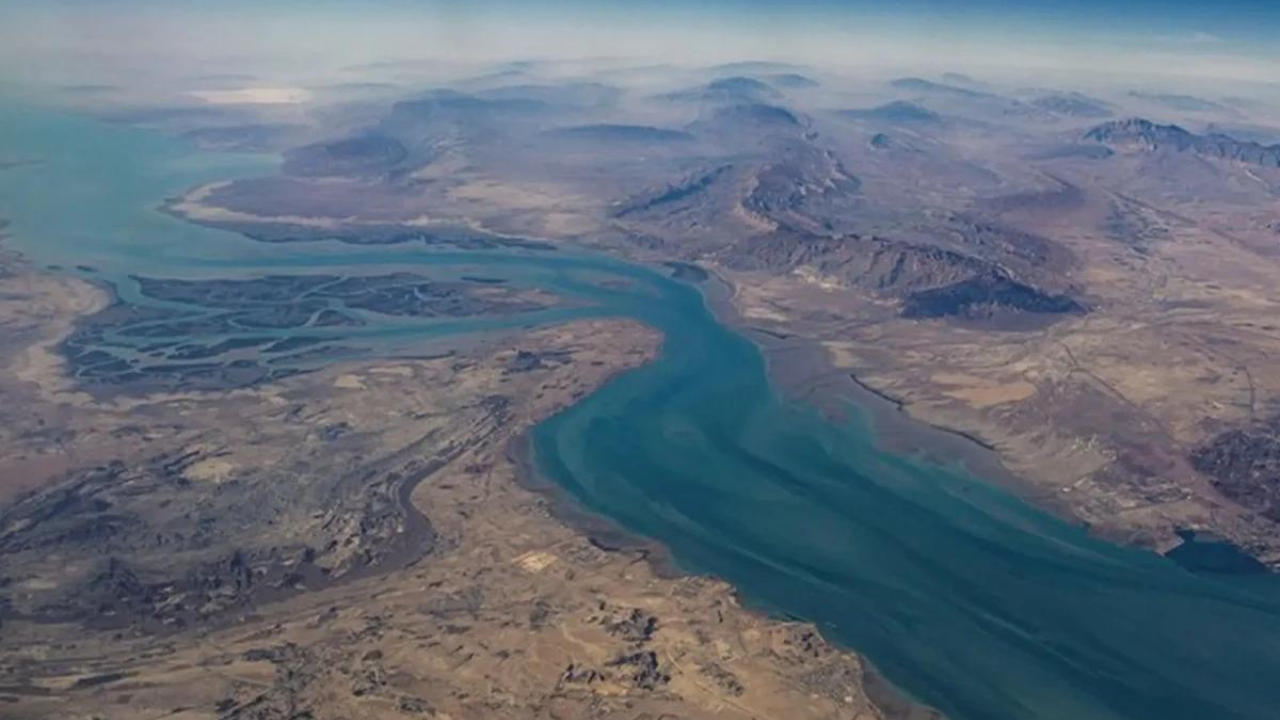
The Strait of Hormuz is a narrow stretch of water that connects the Persian Gulf with the Gulf of Oman. It is only about 21 miles wide at its narrowest point. Despite its small size, roughly 20% to 30% of the world's total oil consumption passes through this route every day. The attacks occurred on April 22, 2026, a date that many hoped would mark a period of cooling tensions. The United States had recently extended a ceasefire agreement, and Pakistan had been acting as a middleman to help both sides talk. However, these physical attacks on trade ships have put those diplomatic gains at serious risk.
Background and Context
To understand why this matters, it is important to know that the Strait of Hormuz is often called a "chokepoint." Because it is so narrow, it is easy for a military force to block or harass ships passing through. Iran has used its position near the strait many times in the past to show its power or to respond to international pressure. The Revolutionary Guard is a special branch of the Iranian military that operates independently and often takes a more aggressive stance than the regular army. For years, the US and Iran have been in a cycle of tension regarding nuclear programs, economic sanctions, and regional influence. Pakistan has stepped in recently to try and prevent a full-scale war, but these latest attacks show that the situation remains very fragile.
Public or Industry Reaction
The shipping industry has expressed deep concern over the safety of its crews and vessels. Companies that manage these large ships may now have to pay much higher insurance rates to travel through the Middle East. This extra cost is usually passed down to consumers, meaning the price of goods and energy could rise. International diplomats have also voiced their frustration. Many feel that the progress made by Pakistan's mediation is being undone by these aggressive acts. There is a growing call for increased naval protection in the area to ensure that trade can continue without the threat of violence.
What This Means Going Forward
Looking ahead, the risk of a military mistake or a larger fight has increased. If Iran continues to target commercial ships, the United States and its allies may feel forced to increase their military presence in the water. This could lead to more direct confrontations. On the diplomatic side, the US ceasefire extension may not be renewed if the violence does not stop. Pakistan will likely face a harder task in trying to bring both sides back to the table. For the global economy, the main worry is a sudden spike in oil prices if the strait becomes too dangerous for tankers to use regularly.
Final Take
The attacks in the Strait of Hormuz serve as a reminder that physical safety in the world's trade routes is never guaranteed. While politicians and diplomats work in offices to sign agreements, the reality on the water can be very different. These events show that even with active peace talks, the threat of conflict is always nearby. The coming days will be critical in determining whether the region moves toward a calm resolution or slides further into a dangerous and costly confrontation.
Frequently Asked Questions
Why is the Strait of Hormuz so important for the world?
It is the main route for oil and gas coming out of the Middle East. A large portion of the world's energy supply must pass through this narrow water to reach international markets.
Who is responsible for the recent attacks on the ships?
Reports state that Iran's Revolutionary Guard, a branch of the Iranian military, was responsible for firing on the vessels.
How do these attacks affect everyday people?
When shipping routes become dangerous, insurance and transport costs go up. This often leads to higher prices for gasoline and other products that rely on global trade.

