Summary
Tensions between the United States and Iran have reached a critical point in the Strait of Hormuz. Despite a decision by President Trump to extend a temporary ceasefire, the region remains on the edge of conflict. A naval standoff is currently blocking key shipping routes, causing major concerns for global trade. Pakistan has stepped in as a mediator, pushing both sides to begin formal talks to prevent the situation from turning into a full-scale war.
Main Impact
The primary impact of this standoff is the immediate threat to the global energy supply. The Strait of Hormuz is the most important oil transit point in the world. If the blockade continues or leads to fighting, the flow of oil could stop almost entirely. This would cause energy prices to rise sharply in every country, affecting everything from the cost of driving a car to the price of heating a home. Beyond energy, the tension is making international shipping much more expensive and dangerous, as insurance companies raise their rates for vessels traveling through the area.
Key Details
What Happened
The current crisis began when naval forces from both the US and Iran increased their presence in the narrow waters of the Strait. Iran has threatened to close the waterway in response to ongoing economic pressure. In return, the US has positioned warships to ensure that oil tankers can pass through safely. While a ceasefire was recently extended, the two militaries are operating very close to each other. This proximity creates a high risk of an accidental clash that could spark a larger fight. Pakistan is now leading a diplomatic effort to bring officials from Washington and Tehran to the table to discuss a peaceful solution.
Important Numbers and Facts
The Strait of Hormuz is only about 21 miles wide at its narrowest point, but it carries roughly 20% of the world's total oil consumption every day. On average, more than 20 million barrels of oil pass through this area daily. In the last week, shipping insurance costs for tankers in the region have jumped by nearly 50%. The current ceasefire extension is set to last for only a short period, putting pressure on Pakistan’s diplomats to find a breakthrough before the deadline passes on April 30, 2026.
Background and Context
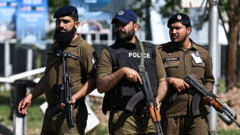
To understand why this matters, it is important to know that the Strait of Hormuz is a "choke point." This means it is a narrow path that is very easy to block but very hard to bypass. For decades, the US and Iran have disagreed over who should control these waters and how the surrounding countries should behave. Iran often uses the threat of closing the strait as a way to gain leverage in political arguments. The US views the strait as international water that must remain open for the global economy to function. Pakistan, which shares a border with Iran and maintains a relationship with the US, is one of the few countries that can talk to both sides effectively.
Public or Industry Reaction
The international community is watching the situation with great concern. Leaders in Europe and Asia have called for calm, fearing that a war would destroy the current global economic recovery. Oil companies have expressed worry that a long-term blockade would force them to find much more expensive ways to move their products. Meanwhile, the public in many countries is starting to see the effects at the gas pump, where prices have already begun to creep upward due to the uncertainty. Many political experts believe that Pakistan’s role is the best hope for a peaceful outcome, as other traditional mediators have struggled to make progress.
What This Means Going Forward
The next few days will be vital for the safety of the region. If Pakistan can successfully organize a meeting between US and Iranian officials, the risk of a blockade might decrease. However, if the talks fail, the ceasefire extension will eventually run out. This could lead to a direct military confrontation or a complete shutdown of the shipping lane. Businesses are already preparing for the worst by looking for alternative routes, though few options are as efficient as the Strait of Hormuz. The world is waiting to see if diplomacy can win over military force.
Final Take
The standoff in the Strait of Hormuz is a reminder of how fragile the global trade system really is. While a ceasefire provides a temporary sense of relief, it does not solve the underlying problems between the US and Iran. Real stability will only come if both nations decide that the cost of war is higher than the cost of compromise. For now, the world’s eyes are on the diplomats in Pakistan to see if they can turn this dangerous moment into a chance for lasting peace.
Frequently Asked Questions
Why is the Strait of Hormuz so important?
It is the main path for oil leaving the Middle East. About one-fifth of the world's oil passes through this narrow waterway, making it essential for global energy prices.
What is Pakistan trying to do in this situation?
Pakistan is acting as a middleman. Because they have ties to both the US and Iran, they are trying to organize talks to prevent the current naval standoff from turning into a war.
Will gas prices go up because of this?
Yes, prices have already started to rise. If the strait is blocked or if a war starts, gas prices could increase significantly because the supply of oil would be limited.