
Summary
Iran is currently reviewing a plan that could change how oil moves across the globe. The government is considering a proposal to allow only a specific, limited number of oil tankers to travel through the Strait of Hormuz. This waterway is one of the most important paths for energy supplies in the world. If this plan moves forward, it could create significant shifts in how countries buy and receive oil, potentially leading to higher costs for consumers everywhere.
Main Impact
The primary impact of this decision would be felt in the global energy market. The Strait of Hormuz is a narrow passage that connects oil producers in the Middle East to the rest of the world. By limiting the number of ships that can pass, Iran would effectively control the flow of a large portion of the world's oil supply. This move could cause oil prices to rise quickly, as traders worry about whether there will be enough fuel to meet global demand. For everyday people, this often translates to higher prices at the gas pump and more expensive heating bills.
Key Details
What Happened
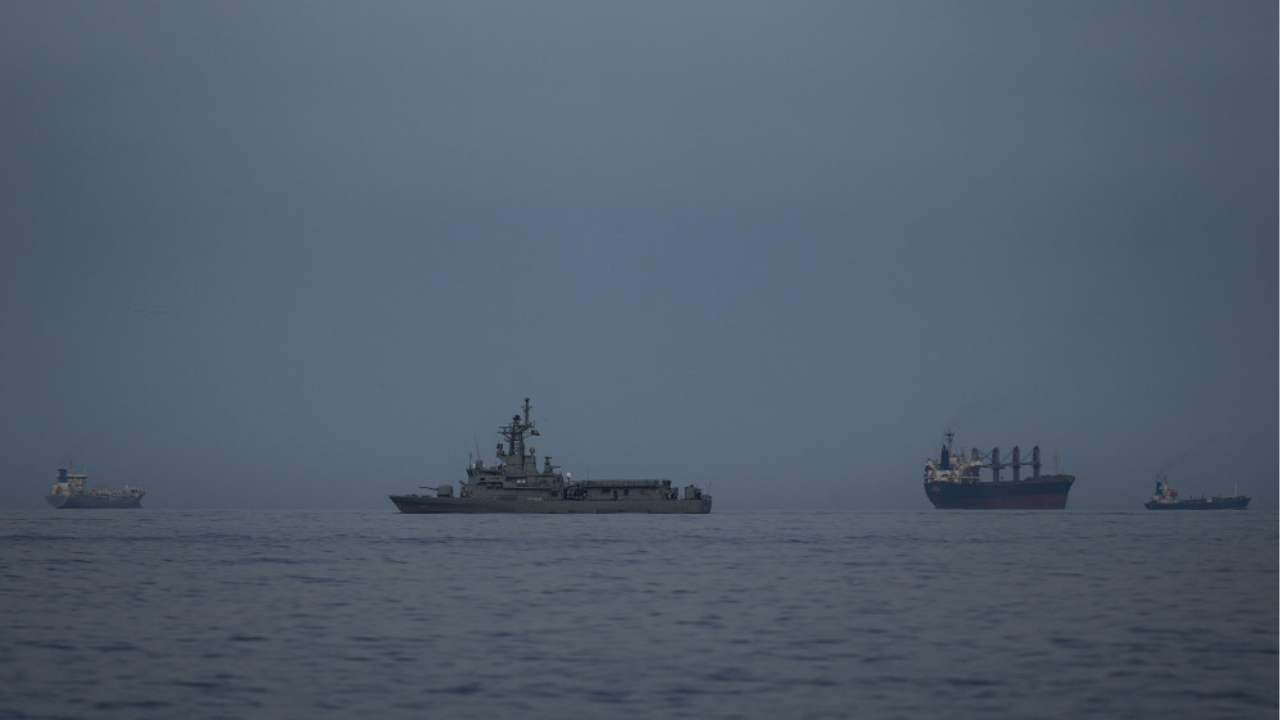
Reports indicate that Iranian officials are looking at new rules for maritime traffic in their territorial waters. Instead of the usual open flow of commercial ships, the proposed policy would set a cap on how many tankers can enter or exit the Persian Gulf each day. While the plan is still being discussed, it represents a major shift in how Iran manages its maritime borders. The move is seen by many as a way for Iran to show its influence over global trade routes during a time of high international tension.
Important Numbers and Facts
To understand why this matters, it is helpful to look at the data. About 21 million barrels of oil pass through the Strait of Hormuz every single day. This accounts for roughly 20% to 30% of all the oil consumed globally. The strait itself is very narrow, with the shipping lanes being only about two miles wide in each direction. Because there are very few other ways to move this much oil out of the region, even a small limit on the number of ships can cause a massive backup in the global supply chain.
Background and Context
The Strait of Hormuz has long been a point of focus for world leaders. It sits between Iran and Oman, serving as the only way out of the Persian Gulf for large ships. For decades, Iran has used its position along this waterway as a tool for negotiation. When Iran faces economic pressure or sanctions from other countries, it often mentions the possibility of closing or restricting the strait. This is because they know how much the world relies on this specific path for energy. In the past, even small threats to the strait have caused stock markets to react and oil prices to jump.
Public or Industry Reaction
The shipping industry is already showing signs of concern. Many large shipping companies are worried about the safety of their crews and the reliability of their schedules. If ships are forced to wait for permission to pass, it adds extra costs for fuel and labor. International leaders have also spoken out, stating that the strait should remain open to all nations under international law. Countries like China, Japan, and South Korea, which buy a huge amount of oil from this region, are watching the situation very closely. They are worried that any limit on tankers will hurt their economies and slow down their factories.
What This Means Going Forward
In the coming weeks, the world will be waiting to see if Iran actually puts this plan into action. If they do, other countries might try to find different ways to move their oil. Some countries have pipelines that can bypass the strait, but these pipes cannot carry nearly as much oil as the big tankers do. There is also the risk of increased military presence in the area. Often, when trade routes are threatened, other nations send navy ships to protect their commercial vessels. This could lead to more tension in an already sensitive part of the world.
Final Take
The possibility of restricted travel through the Strait of Hormuz serves as a reminder of how fragile the global energy system can be. A decision made in one narrow waterway can change the price of goods thousands of miles away. As long as the world depends on oil from the Persian Gulf, the rules governing this small stretch of water will remain a top priority for every major economy. Stability in the region is not just a local issue; it is a global necessity for keeping the world moving.
Frequently Asked Questions
Why is the Strait of Hormuz so important?
It is the main exit point for oil coming from major producers like Saudi Arabia, Kuwait, and the UAE. Without this path, a huge portion of the world's oil would be stuck in the Persian Gulf.
How would limited access affect gas prices?
When fewer tankers can deliver oil, the supply goes down. When supply is low but people still need fuel, the price goes up. This usually leads to higher prices for gasoline and diesel at local stations.
Are there other ways to move the oil?
There are some pipelines that go across Saudi Arabia and the UAE to other coasts, but they do not have the capacity to carry all the oil that currently goes through the strait by ship.

