Summary
Stock market futures dropped early this morning as investors reacted to a sharp rise in oil prices. This downward trend follows a previous day of heavy selling, showing that the market is still feeling a lot of pressure. The main cause of this worry is the ongoing conflict involving Iran, which shows no signs of ending soon. As energy costs go up, traders are becoming more concerned about the health of the global economy and the potential for long-term inflation.
Main Impact
The most immediate impact of this situation is a shift in how people are spending and moving their money. When oil prices surge, it usually leads to a drop in stock prices because higher energy costs make it more expensive for companies to operate. This creates a "double hit" for the market: businesses see lower profits, and consumers have less money to spend on other things because they are paying more for gas and electricity.
This uncertainty is causing many investors to pull their money out of the stock market. Instead of buying shares in technology or retail companies, many are looking for safer places to put their cash. This movement of money is what causes futures—which are bets on where the market will open—to fall before the actual trading day begins.
Key Details
What Happened
Over the last 24 hours, the price of crude oil has climbed significantly. This happened because of news that the war involving Iran is likely to continue for a long time. Because Iran is a major player in the global energy market, any conflict in that part of the world makes people worry that oil supplies will be cut off or slowed down. When people think there will be less of something, the price goes up.
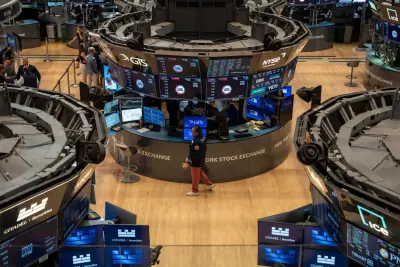
At the same time, major stock indices like the S&P 500 and the Nasdaq have seen their futures decline. This suggests that when the stock exchange opens for the day, prices will likely start lower than they closed the day before. This follows a period of "selling off," where many people sold their stocks at once, causing a general decline in market value.
Important Numbers and Facts
While specific price points change by the minute, the trend shows oil prices reaching levels not seen in several months. Analysts note that for every few dollars oil goes up, the cost of shipping goods across the country also rises. This affects everything from the price of food at the grocery store to the cost of delivering packages to your home. On the stock side, the futures market indicated a drop of nearly one percent across major categories before the opening bell rang.
Background and Context
To understand why this is happening, it is important to look at how the global economy is connected. Iran is located near some of the most important shipping routes for oil in the world. If a war continues in that area, it becomes dangerous for ships to move oil to other countries. This creates a "supply shock," where there is not enough oil to meet the world's needs.
In the past, similar conflicts have led to long periods of high prices. Investors remember these times and try to protect themselves by selling stocks early. They fear that if the war lasts for months or years, it will lead to a global slowdown. When energy is expensive, people stop buying extra things, and businesses stop growing. This is why a conflict far away can have such a big effect on the stock market in the United States and Europe.
Public or Industry Reaction
Financial experts are advising caution. Many market analysts believe that the current "selloff" is a sign that people are losing confidence in a quick economic recovery. Some industry leaders in the transportation and airline sectors have already expressed concern, as fuel is their biggest expense. If oil stays high, these companies may have to raise their prices, which could make travel and shipping even more expensive for the average person.
On the other hand, energy companies are seeing their stock values stay steady or even go up. This is because they make more money when oil prices are high. However, this is not enough to help the rest of the market, which is mostly made up of companies that lose money when energy costs rise.
What This Means Going Forward
The next few weeks will be critical for the markets. If there is any news of a ceasefire or a peace talk, oil prices could drop quickly, which would likely help the stock market recover. However, if the fighting gets worse, we could see oil prices climb even higher. This would put more pressure on central banks to keep interest rates high to fight inflation.
Investors will be watching the news closely for any signs of the conflict spreading to other countries. For now, the mood on Wall Street is one of worry. Most traders are expecting more price swings in the coming days as the world waits to see how the situation in the Middle East develops. People should be prepared for more days where the market starts in the red.
Final Take
The combination of rising oil prices and falling stock futures shows how sensitive the global economy is to war and conflict. As long as the situation with Iran remains unresolved, the stock market will likely stay on edge. Investors are choosing safety over risk, and consumers may soon feel the pinch of higher costs in their daily lives. The focus now is on whether the conflict can be contained or if it will continue to drive energy prices to new highs.
Frequently Asked Questions
Why do stock prices fall when oil prices go up?
When oil is expensive, it costs more for companies to make and move products. This lowers their profits. Also, consumers spend more on gas and have less money for other things, which hurts the overall economy.
How does the conflict in Iran affect the global oil supply?
Iran is a major oil producer and is located near key shipping lanes. A war there can stop oil from being pumped or prevent ships from carrying it to other parts of the world, leading to a shortage.
What are "stock futures" and why do they matter?
Stock futures are agreements to buy or sell stocks at a later date. They act as an indicator of how investors feel before the market actually opens. If futures are down, it usually means the market will start the day with lower prices.