Summary
A well-known financial expert is warning that the risk of a major stock market crash is rising. Ed Yardeni, the head of Yardeni Research, recently increased the odds of a market meltdown to 35%, up from a previous estimate of 20%. This warning comes as the global economy faces a difficult mix of high oil prices, slow growth, and a weak job market. These conditions are similar to the "stagflation" seen in the 1970s, which caused significant economic pain for years.
Main Impact
The biggest concern for investors is the return of stagflation, a situation where prices keep rising while the economy slows down. This creates a trap for the Federal Reserve, the central bank of the United States. Usually, the Fed raises interest rates to stop inflation or lowers them to help the job market. However, in a stagflation scenario, they cannot easily do either without making the other problem worse. If oil prices stay high, it could force the economy into a recession while keeping the cost of living very high for average families.
Key Details
What Happened
The current economic tension is largely driven by conflict in the Middle East. Fighting between the U.S., Israel, and Iran has led to serious disruptions in the flow of oil. Specifically, the Islamic Revolutionary Guard Corps has been attacking ships in the Strait of Hormuz. This narrow waterway is vital because about 20% of the world’s oil passes through it. Because of these attacks, oil supplies are being restricted, which has pushed prices up significantly. At the same time, recent data shows that the U.S. economy is not growing as fast as experts originally thought, and the job market is showing signs of struggle.
Important Numbers and Facts
Several key figures highlight the growing risk to the economy. Crude oil prices have climbed above $100 a barrel, making energy and transportation more expensive. Economic growth forecasts for the first quarter have been lowered to 2.1%, a sharp drop from the earlier prediction of 3.2%. Additionally, the latest jobs report showed that there were almost no net gains in employment over the past year. While Yardeni still believes there is a 60% chance the economy will stay strong, he has lowered the odds of a "market meltup"—a period of rapid, unsustainable gains—to just 5%.
Background and Context
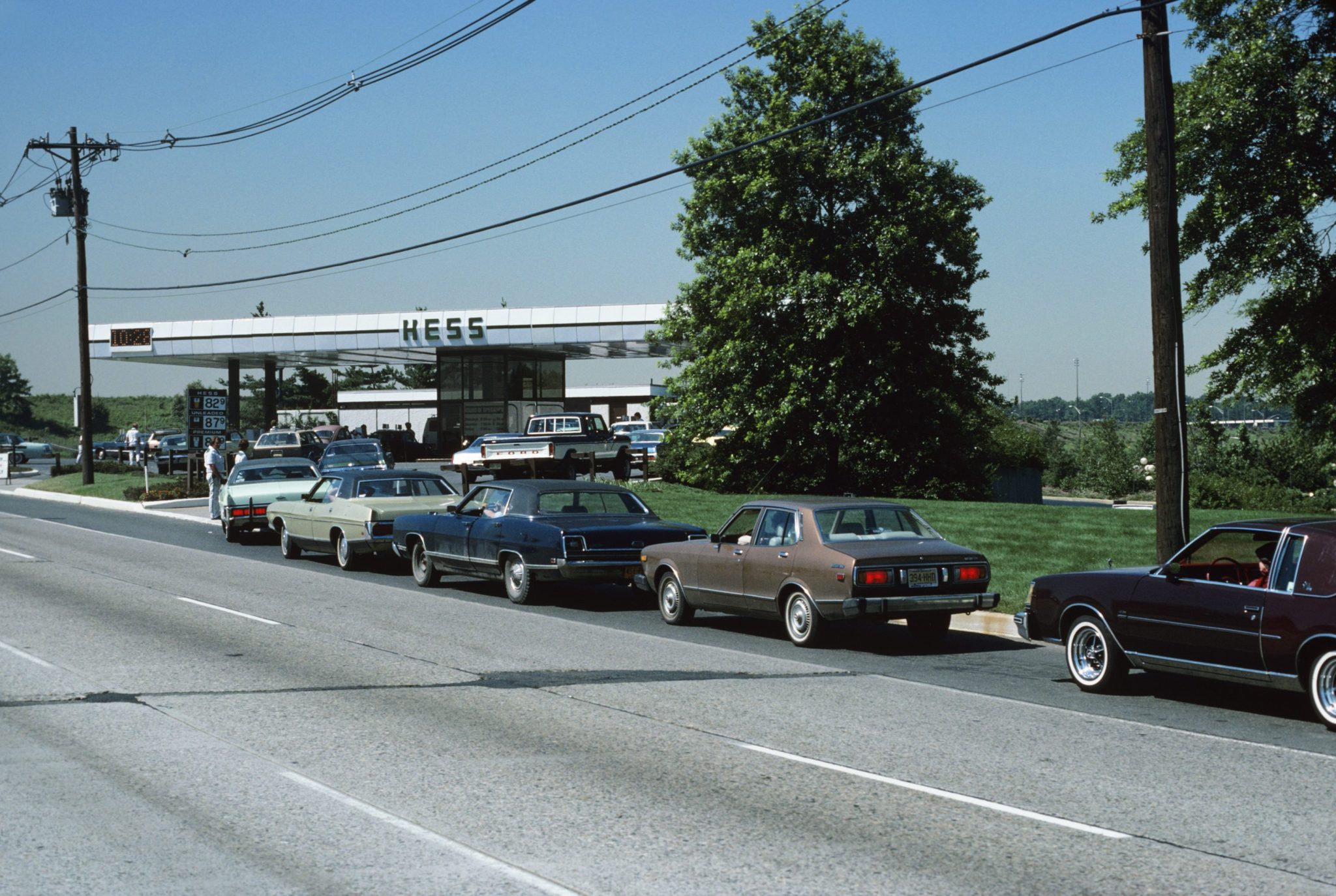
To understand why this matters, we have to look back at the 1970s. During that time, the world faced two major oil shocks that led to long lines at gas stations and very high prices for everyday goods. This period was called stagflation because the economy was "stagnant" (not growing) while "inflation" (rising prices) was high. Today, the situation feels familiar to many historians. The conflict involving Iran is once again at the center of the energy crisis. While the U.S. is now a top oil producer and less dependent on foreign oil than it was 50 years ago, the global price of oil still affects everything from grocery bills to airline tickets.
Public or Industry Reaction
Market experts and government officials are watching the situation closely. President Donald Trump has authorized the U.S. Navy to protect and escort ships through the Strait of Hormuz to keep trade moving. However, experts like Yardeni warn that this might not be enough to stop drone attacks from Iran. The Federal Reserve is also in a difficult spot. If they keep interest rates high to fight the rising cost of oil, they might cause more people to lose their jobs. If they lower rates to help the job market, inflation could spiral out of control. This uncertainty has made many investors nervous, leading to predictions of a possible 10% to 15% drop in stock prices.
What This Means Going Forward
The impact of this crisis could last longer than just a few months. Beyond energy, the Middle East is a major source of fertilizer. If shipping through the Strait of Hormuz does not return to normal by early April, farmers may not be able to get the supplies they need for their crops. This could lead to lower food production. If that happens, the world could see a "food price shock" by late 2026. For now, the stock market will likely remain volatile until the military tensions ease and ships can move safely again. If the conflict ends quickly, the market could recover, but a long-term blockade would be very damaging.
Final Take
The global economy is currently in a very fragile state. While the U.S. has some advantages it didn't have in the 1970s, such as higher energy production and better technology, it is not immune to global shocks. The combination of high energy costs and slowing growth is a serious threat that could end the recent period of stock market gains. Investors should be prepared for more ups and downs as the situation in the Middle East develops.
Frequently Asked Questions
What is stagflation?
Stagflation is an economic situation where prices for goods and services go up (inflation), but the economy grows very slowly and unemployment stays high. It is difficult to fix because the usual solutions for inflation often make unemployment worse.
Why are oil prices affecting the stock market?
When oil prices go up, it costs more for companies to make and ship products. This lowers their profits. It also leaves consumers with less money to spend on other things, which slows down the entire economy and makes stocks less valuable.
What is the Strait of Hormuz?
The Strait of Hormuz is a narrow path of water between the Persian Gulf and the Gulf of Oman. It is one of the most important locations in the world for the oil industry because a large portion of the world's total oil supply must pass through it on ships.