Summary
A new course at Stanford University has become a massive sensation, earning the nickname "AI Coachella." The class, known as CS 153, features guest lectures from some of the most powerful leaders in Silicon Valley. While the course is incredibly popular among students who want to network with tech giants, it has also faced criticism online. Critics worry that the class focuses more on fame and industry hype than on deep academic learning.
Main Impact
The rise of CS 153 shows a major shift in how top-tier universities are connecting with the tech industry. By bringing in "royalty" from the world of Artificial Intelligence, Stanford has turned a standard classroom into a high-profile event. This has created a unique environment where students can meet the people running the world’s biggest AI companies. However, this trend is also changing the nature of education, making it feel more like a tech conference than a traditional college course.
Key Details
What Happened
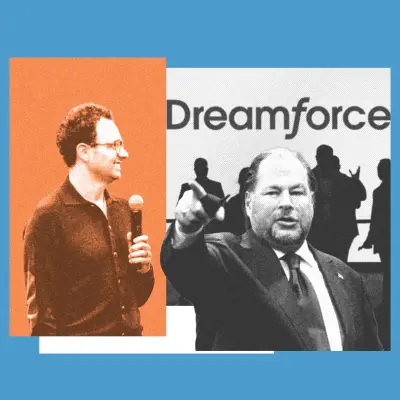
The course CS 153 has gone viral both on the Stanford campus in Palo Alto and on social media platforms like X. Every week, students line up early to get a seat in the lecture hall. The excitement is driven by the guest speakers, who are often the CEOs and founders of the most famous AI startups and established tech firms. These speakers share their visions for the future, offer career advice, and discuss the latest trends in technology.
Because the speakers are so famous in the tech world, the lectures often feel like a red-carpet event. Videos and photos from the class are frequently shared online, drawing millions of views. This level of attention is rare for a university course, leading many to compare it to a music festival like Coachella, but for the tech industry.
Important Numbers and Facts
The course is held at Stanford University, which is located in the heart of Silicon Valley. Hundreds of students attend each session, with many more watching the content online. The class has become one of the most talked-about topics on X, where tech experts and the public debate its value. While the exact list of speakers changes, they represent companies worth billions of dollars in the current AI market.
Background and Context
Stanford University has a long history of being close to the tech industry. Many of the world’s most successful companies, like Google and Yahoo, were started by Stanford students or faculty. Because the university is so close to Silicon Valley, it is natural for tech leaders to visit the campus. However, the current boom in Artificial Intelligence has taken this relationship to a new level.
In the last few years, AI has become the most important topic in technology. Students are eager to learn about it because they see it as the best way to get high-paying jobs or start their own successful companies. This high demand for AI knowledge is what made CS 153 so popular so quickly. The course offers something that a textbook cannot: direct access to the people who are currently shaping the industry.
Public or Industry Reaction
The reaction to "AI Coachella" is split. On one side, many students and tech fans are thrilled. They believe that hearing from industry leaders provides practical knowledge that is more useful than theoretical lessons. They see it as a great way to prepare for a career in a fast-moving field.
On the other side, some academics and observers are worried. They argue that these lectures are often just "sales pitches" for the speakers' companies. Critics on social media have pointed out that the course might lack the critical thinking and difficult math that usually define a Stanford computer science education. There is a fear that the university is giving these companies a platform to promote themselves without enough oversight or questioning from professors.
What This Means Going Forward
The success of CS 153 will likely encourage other major universities to create similar courses. We may see more "celebrity" professors and guest speakers in classrooms across the country. This could make education more exciting and relevant to the modern job market. However, it also creates a risk that universities will become too dependent on big tech companies.
In the future, schools will need to find a balance. They must provide the networking opportunities that students want while ensuring that the core education remains strong. If a course is all about hype and no substance, it may help students get their first job, but it might not give them the deep skills they need for a long-term career. The debate over CS 153 is a sign of a larger struggle to define what a college education should look like in the age of AI.
Final Take
The "AI Coachella" at Stanford is a perfect example of the current tech craze. It highlights the incredible excitement surrounding Artificial Intelligence and the power of Silicon Valley leaders. While the course offers amazing opportunities for students to meet their heroes, it also serves as a reminder that education should be about more than just following the latest trends. The true value of such a class will be measured by whether it teaches students to think for themselves or simply to follow the leaders of today.
Frequently Asked Questions
What is CS 153 at Stanford?
CS 153 is a computer science course at Stanford University that features guest lectures from famous Silicon Valley tech leaders and AI experts. It has become famous for its high-profile speakers and viral social media presence.
Why is the course called "AI Coachella"?
The course earned this nickname because of the long lines, the celebrity status of the speakers, and the high level of excitement, which makes it feel more like a major festival than a typical college class.
Why are some people criticizing the course?
Critics are concerned that the course focuses too much on industry hype and networking rather than deep academic study. They worry that the lectures are more like advertisements for tech companies than educational lessons.