
Summary
Police in Srinagar have taken legal action against several media outlets and social media users for spreading what they call false information. The reports in question were about protests following the reported death of Iran’s Supreme Leader, Ayatollah Ali Khamenei. Authorities state that these news stories were misleading and designed to cause trouble in the Kashmir Valley. By filing a formal case, the police hope to stop the spread of rumors that could lead to violence or public disorder.
Main Impact
The decision to file a First Information Report (FIR) marks a major step by the Jammu and Kashmir police to control the flow of information during sensitive times. This action directly affects how local news is reported and how people use social media in the region. It shows that the government is closely watching digital platforms to prevent any talk that could lead to protests or clashes. For the public, this means that sharing unverified posts could now lead to serious legal trouble, including being called in for questioning by the police.
Key Details
What Happened
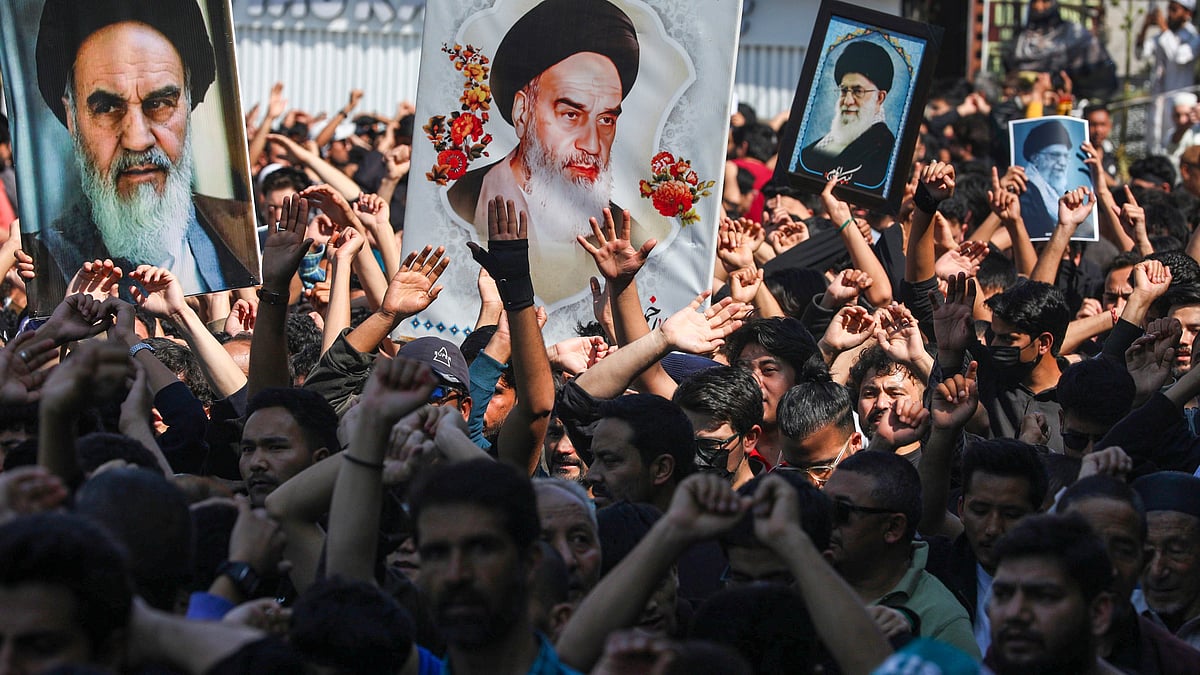
The Srinagar Police recently noticed several posts and news reports that they described as "fabricated." These reports focused on the anger and protests that broke out after news surfaced that Ayatollah Ali Khamenei had been killed. The police spokesperson said that some people were systematically trying to make the situation worse by sharing stories that were not true. Because the Kashmir Valley is already in a tense state, the authorities felt they had to act quickly to stop these narratives from spreading further.
Important Numbers and Facts
The legal case was registered at the Cyber Police Station in Srinagar. While the police have not yet released the names of all the media houses involved, they have identified several specific social media profiles. These individuals have been ordered to appear before the Cyber Cell to explain their actions. The protests began after reports claimed that the Iranian leader was killed in airstrikes carried out by the United States and Israel on a recent Saturday. On the following Monday, the police had already issued a warning to the media to stay professional, but they decided to take legal action when the misleading reports continued to appear.
Background and Context
Events in the Middle East often have a strong emotional impact on people living in the Kashmir Valley. When news about major Islamic leaders or international conflicts breaks, it can lead to large gatherings and emotional demonstrations. In this case, the reported death of a high-ranking leader like Khamenei caused immediate concern. In the past, rumors have often spread quickly through mobile phones and the internet, sometimes leading to confusion and safety risks. The police are trying to manage this by making sure that only confirmed facts are shared with the public. They want to avoid a situation where a false story leads to a large-scale riot or a breakdown in law and order.
Public or Industry Reaction
The police have issued a public advisory asking everyone to be careful. They are urging citizens to check official government sources or well-known news agencies before they believe or share a story. Within the media industry, there is a mix of caution and concern. While most agree that fake news is a problem, there is always a worry about how these rules might limit the ability of journalists to do their jobs. However, the police have been very clear that their main goal is to protect "communal harmony" and ensure that the peace of the city is not broken by sensational headlines or scary rumors.
What This Means Going Forward
The investigation into these media outlets and individuals is still going on. We can expect more updates as the Cyber Cell finishes its questioning. This situation serves as a warning for anyone who runs a news website or a popular social media page in the region. In the future, the police are likely to be even more strict about "fact-checking" during international crises. For the average person, the message is simple: think twice before hitting the share button. The authorities have made it clear that they will use every legal tool available to punish those who spread lies that threaten national security or public safety.
Final Take
In a world where news travels in seconds, the truth can sometimes get lost in the rush. The situation in Srinagar shows that the government is no longer willing to ignore the power of social media to stir up trouble. While staying informed is a right, sharing accurate information is a responsibility. Both the media and the public must be more careful to ensure that what they say and post does not cause unnecessary harm to the community.
Frequently Asked Questions
Why did the Srinagar Police file an FIR?
The police filed the case because they found that some media outlets and individuals were spreading fake news about protests. They believe this information was meant to cause unrest and disturb the peace in the Kashmir Valley.
What happened to the people who shared the misleading news?
Several social media users have been identified and summoned by the Cyber Cell for questioning. The police are currently investigating their roles, and they may face strict legal consequences if found guilty of spreading misinformation.
How can people avoid getting into legal trouble for sharing news?
The authorities advise everyone to verify any news through official and credible sources before sharing it. People should avoid posting rumors, sensational headlines, or any content that could cause panic or lead to violence.

