
Summary
As Tamil Nadu prepares for its upcoming Assembly elections on April 23, a large community of residents will once again be left out of the voting process. About 60,000 Sri Lankan Tamil refugees living in government-run camps across the state remain unable to vote despite living in India for decades. Many of these individuals were born and raised in India, yet they lack the legal status of citizens. This situation highlights a long-standing gap in India’s legal system regarding the rights of long-term refugees.
Main Impact
The primary impact of this situation is the political silencing of a large group of people who are socially and economically integrated into Indian society. These refugees work, pay for services, and send their children to local schools, but they have no say in the laws that govern them. This lack of political power leaves them in a state of permanent uncertainty. While the rest of the state participates in the democratic process, these residents are forced to watch from the sidelines, unable to influence the policies that affect their daily lives.
Key Details
What Happened
The story of this community began in 1983 during a period of intense violence in Sri Lanka known as "Black July." Riots against the Tamil minority led to a civil war that lasted for more than 20 years. To escape the danger, thousands of families crossed the sea to Tamil Nadu in small fishing boats. At the time, both the refugees and the Indian government viewed the move as temporary. However, as the war dragged on, the "temporary" stay turned into decades of residence.
Important Numbers and Facts
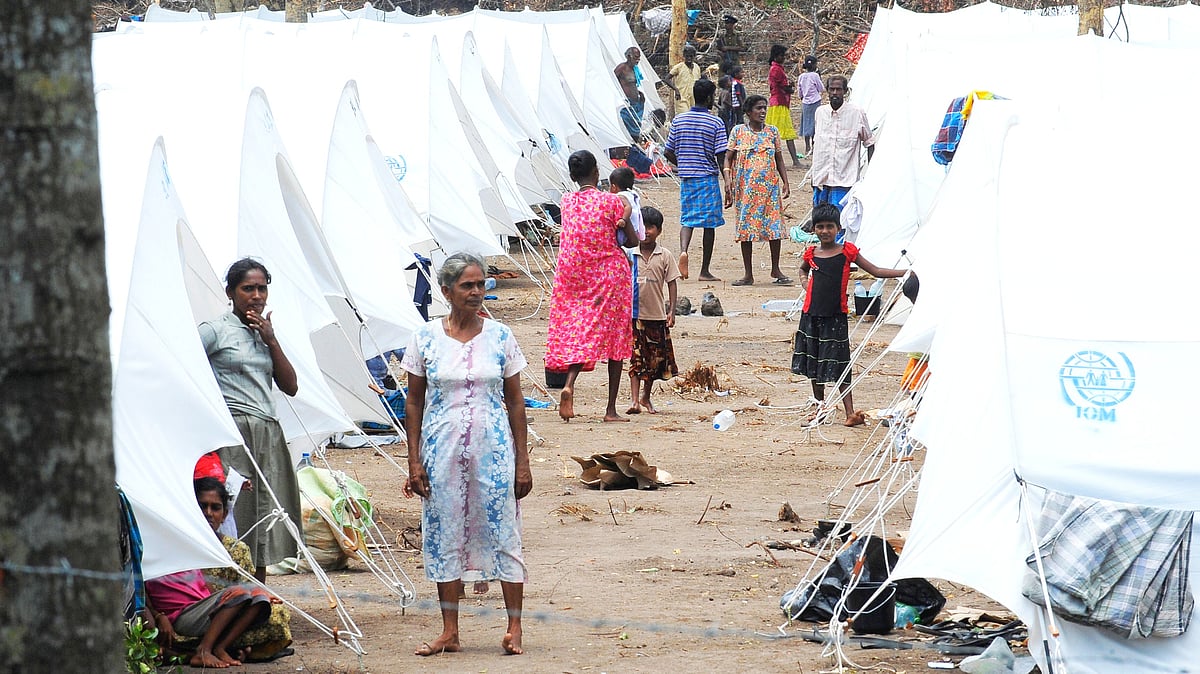
Today, more than 58,000 refugees live in 100 government-run camps located in districts like Madurai, Salem, and Coimbatore. Thousands more live outside these camps in various towns. Many families have now been in India for over 40 years. Under current Indian law, citizenship by birth only applies to those born before July 1, 1987. For those born after that date, the path to becoming a citizen is extremely difficult and often takes many years of waiting with no guarantee of success.
Background and Context
India does not have a specific law that defines the rights of refugees. Instead, the government manages different groups of displaced people using different sets of rules. This creates a confusing system where some people get more help or rights than others. The situation became more complicated with the passing of the Citizenship Amendment Act (CAA) in 2019. This law created a faster way for some religious minorities from neighboring countries to become citizens, but it did not include Sri Lankan Tamils. Because their struggle was based on language and ethnicity rather than religion, they were left out of the new law.
Public or Industry Reaction
The exclusion of Sri Lankan Tamils has led to criticism from local political leaders and human rights experts. Tamil Nadu Chief Minister M.K. Stalin has recently called on the central government to grant citizenship to these long-term residents. He argued that 40 years is far too long for a person to live without a clear legal identity. Academic experts also point out that the current system creates a "hierarchy," where some refugees are treated as more deserving of help than others. This has caused a deep sense of unfairness among the camp residents who feel they have proven their loyalty to India over four decades.
What This Means Going Forward
The future for the younger generation of refugees is particularly difficult. Many young people living in the camps have never even visited Sri Lanka. They speak the local language, follow local customs, and consider themselves Indian. However, without citizenship, they face barriers when trying to get certain jobs, buying property, or traveling. Unless the central government creates a clear legal path for their integration, thousands of people will continue to live as "permanent guests" without the basic rights that come with being a citizen of the country they call home.
Final Take
The struggle of Sri Lankan Tamil refugees in India shows the human cost of slow legal change. After 40 years of living, working, and raising families in Tamil Nadu, these residents have earned the right to be recognized. A democracy is strongest when it includes those who have long been part of its community. Keeping a large group of people in legal limbo for a lifetime does not reflect the values of a modern and fair society.
Frequently Asked Questions
Why can't Sri Lankan Tamil refugees vote in India?
Only Indian citizens are allowed to vote in elections. Since most Sri Lankan Tamil refugees are legally classified as foreigners or refugees rather than citizens, they are not included on the voting lists.
Does the Citizenship Amendment Act (CAA) help these refugees?
No. The CAA only applies to specific non-Muslim groups from Pakistan, Afghanistan, and Bangladesh. Sri Lankan Tamils were not included in the law, meaning they do not have access to the faster citizenship process it provides.
How long have these refugees been living in India?
Most arrived in waves starting in 1983 due to the civil war in Sri Lanka. Many families have now lived in India for 40 years, and a whole generation has been born and raised within the country.

