Summary
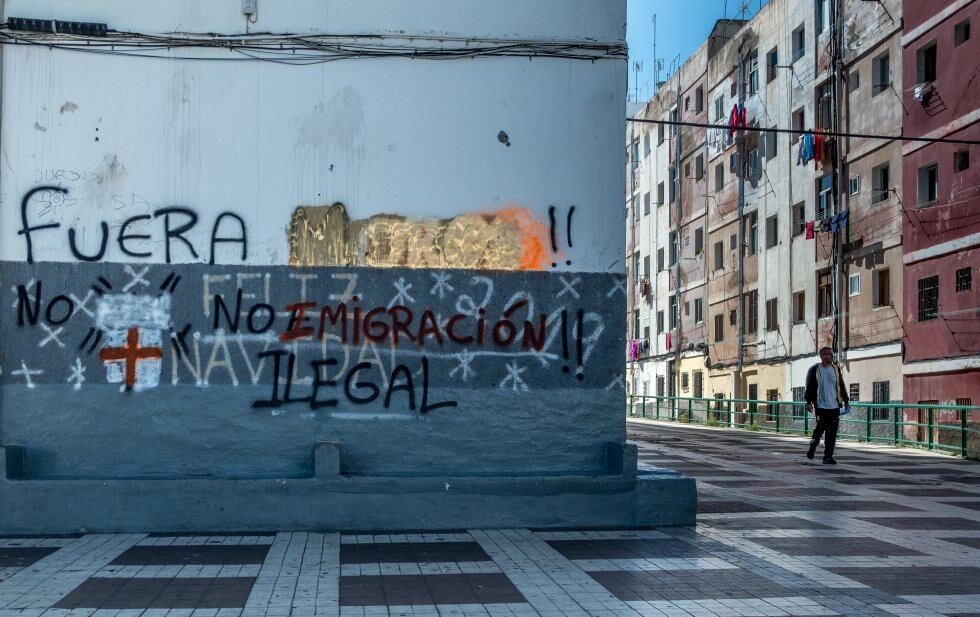
In just eight years, Spain has seen a dramatic shift in how right-wing parties and the public talk about immigration. In 2018, the conservative leader Alberto Núñez Feijóo called helping 630 migrants from the drifting Aquarius ship a “humanitarian” issue. Back then, few people knew the term “mena” (unaccompanied foreign minors), and immigration was the 12th most important problem for Spaniards, mentioned by only 3.5% of people. Today, far-right anti-immigrant rhetoric has entered mainstream politics, and the social climate has hardened significantly.
Main Impact
The biggest change is that anti-immigrant ideas are no longer on the fringes. The far-right party Vox has entered regional parliaments and even formed coalition governments with the conservative Popular Party (PP). This has pushed the entire political debate to the right. Terms like “national priority” for Spanish citizens and harsh language against unaccompanied migrant minors are now common in political speeches and media. This shift has made the public more divided and has created a more hostile environment for immigrants living in Spain.
Key Details
What Happened
The article traces the evolution of the political and social discourse on immigration in Spain from 2018 to 2026. It highlights how the arrival of the Aquarius ship in 2018 was met with a humanitarian response from the center-right PP. Now, the same party has signed government pacts with Vox that include measures to prioritize Spanish citizens over immigrants in areas like housing and social services. The word “mena” has become a loaded political term used to stir fear and anger.
Important Numbers and Facts
In 2018, only 3.5% of Spaniards saw immigration as one of the top three problems. By 2026, that number has skyrocketed. The article notes that the far-right has successfully made immigration a central issue. The PP-Vox pact in Andalusia in July 2026 is a key example of how these ideas have become official policy. The article also mentions that the social worker Mohamed El Harrak, a spokesman for the ExMenas association, represents the human face of those affected by the changing climate.
Background and Context
Spain has a long history of immigration, especially from Latin America, North Africa, and sub-Saharan Africa. For years, the issue was not a major political flashpoint. The 2008 economic crisis and later the migrant crisis in the Mediterranean changed things. The rise of Vox, a party with roots in the far-right, has been a key driver. They have used fear of crime and pressure on public services to argue for stricter immigration controls. The PP, once a centrist-right party, has moved closer to these positions to win votes and form governments.
Public or Industry Reaction
The public is deeply split. Many people, especially older voters and those in rural areas, support the tougher stance. They worry about jobs, housing, and cultural change. Others, including many young people and urban residents, are alarmed by the rise of xenophobia. Human rights groups and social workers like Mohamed El Harrak warn that the new policies are dehumanizing and will lead to more suffering. The media has also played a role, with some outlets amplifying anti-immigrant stories while others try to fact-check and push back.
What This Means Going Forward
The hardening of the discourse is unlikely to reverse quickly. The PP and Vox are now competing for the same voters, which means more anti-immigrant proposals are likely. This could lead to stricter border controls, fewer rights for asylum seekers, and more police raids. It also risks normalizing hate speech and discrimination. On the other hand, the backlash from civil society and some regional governments could create a counter-movement. The next few years will be crucial in deciding whether Spain becomes more inclusive or more divided.
Final Take
Spain’s political landscape on immigration has changed completely in less than a decade. What was once a humanitarian issue is now a tool for political gain. The rise of the far-right has pulled the entire conversation to the extreme, making life harder for immigrants and deepening social tensions. The country faces a choice between embracing its diverse future or retreating into fear and exclusion.
Frequently Asked Questions
What does “mena” mean in Spanish politics?
“Mena” is an acronym for “menor extranjero no acompañado,” which means unaccompanied foreign minor. In recent years, far-right groups have used the term as a slur to spread fear about young migrants, often linking them to crime and social problems.
Why has the Popular Party changed its stance on immigration?
The PP has shifted to the right mainly to compete with the far-right Vox party for voters. By adopting tougher language and policies on immigration, the PP hopes to win back supporters who have moved to Vox. This has led to coalition agreements that include anti-immigrant measures.
How has the public mood on immigration changed in Spain?
In 2018, immigration was a low priority for most Spaniards. By 2026, it has become one of the top concerns. This change is driven by political rhetoric, media coverage, and real pressures on housing and services. The public is now more polarized, with a significant portion supporting stricter controls.