Summary
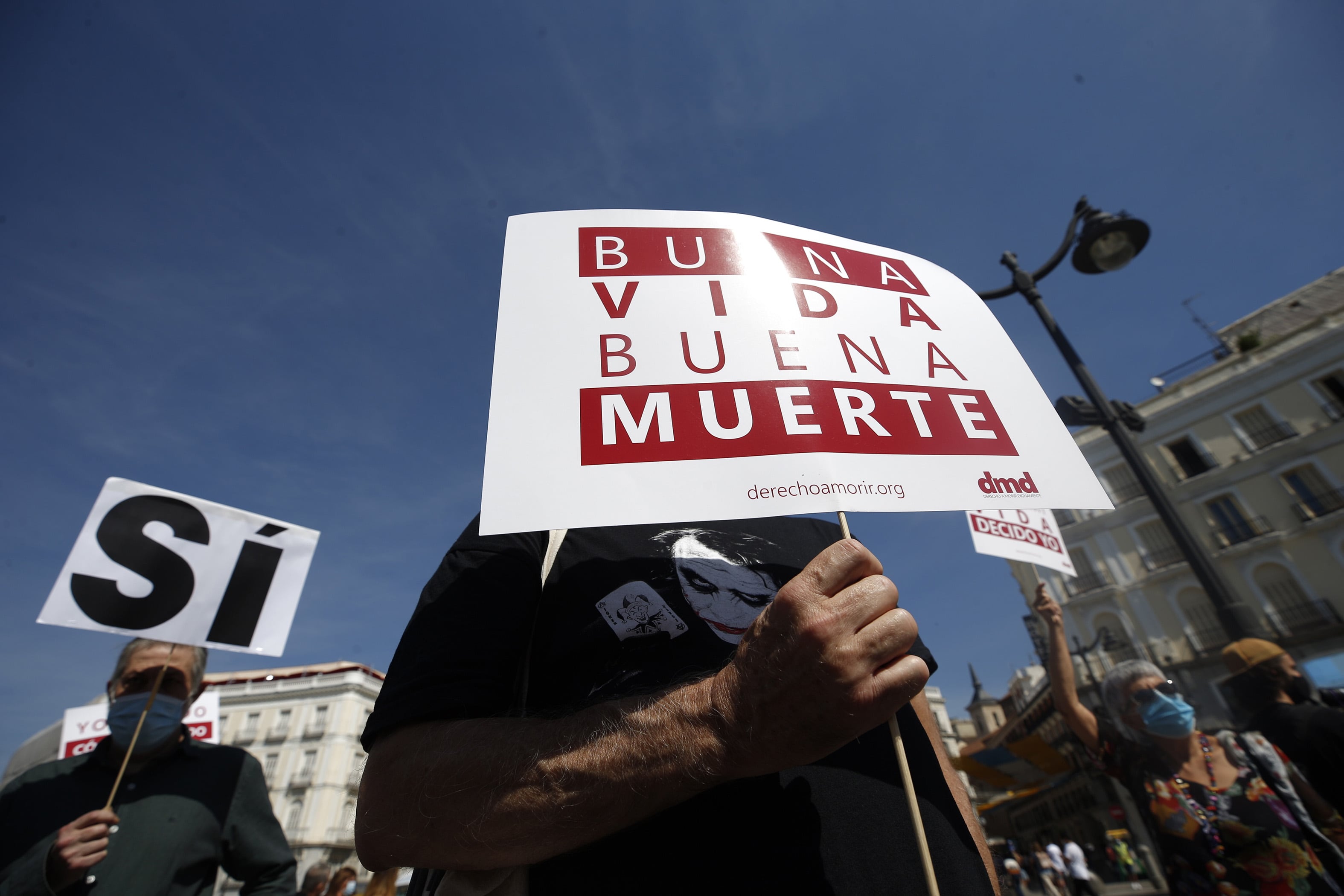
The Spanish Ministry of Health is moving forward with a new plan to improve how euthanasia is handled across the country. This new guide, known as the Manual of Good Practices, aims to make the process much faster for patients in urgent situations. It also gives nurses a more important role in the procedure, recognizing their close work with patients. These changes come at a time when the public is paying close attention to the right to a dignified death following several high-profile cases.
Main Impact
The biggest change is the focus on speed for those who do not have much time left. Under current rules, the process to receive medical help to die can take several weeks or even months. For patients with fast-moving diseases, this wait can lead to unnecessary pain. By creating a fast-track option for urgent cases, the government hopes to ensure that the law serves its purpose: ending suffering when a patient clearly requests it. Additionally, by involving nurses more deeply, the healthcare system is acknowledging that these professionals are often the ones providing the most direct care to terminal patients.
Key Details
What Happened
The Ministry of Health has finished a new set of rules to update the Euthanasia Law that was first passed in 2021. This document was prepared by the Public Health department after years of observing how the law worked in practice. The goal is to fix common problems, such as long waiting times and confusing paperwork. The plan was presented to the health leaders of Spain’s different regions to ensure everyone follows the same standards. This update follows the recent death of Noelia Castillo, a woman whose story touched many people and highlighted the need for a more efficient system.
Important Numbers and Facts
Since euthanasia became legal in Spain in June 2021, hundreds of people have used the law to end their lives. Currently, the standard process involves two separate requests from the patient, with a mandatory waiting period in between. Usually, the entire legal and medical path takes between 35 and 45 days. The new manual suggests that in "urgent cases," these timelines can be shortened significantly. The document also clarifies that nurses can now be part of the official commissions that review each case, a job that was previously mostly handled by doctors and lawyers.
Background and Context
Spain is one of only a few countries in the world where euthanasia is a legal right. The law allows people with "serious and incurable" diseases or "chronic and disabling" conditions to ask for medical help to die. To qualify, a person must be a Spanish resident, be fully aware of their decision, and be suffering greatly. While the law was seen as a major step forward for human rights, many families have complained that the bureaucracy is too slow. In some instances, patients have passed away naturally while waiting for their paperwork to be approved, often in the very pain they were trying to avoid.
Public or Industry Reaction
The reaction to these changes has been mostly positive from patient rights groups. They argue that a right is not real if the government makes it too hard or too slow to use. Medical professionals have also shared their views. Many doctors welcome the clearer rules because they provide more legal safety for the staff involved. Nursing unions have praised the decision to give them a bigger role. They point out that nurses spend the most time with patients and understand their physical and emotional needs better than almost anyone else in the hospital. However, some groups still have concerns about how "urgency" will be defined and whether all regions will implement the rules fairly.
What This Means Going Forward
Once these new rules are fully active, patients facing the end of their lives can expect a more human and less robotic process. The focus will shift from strictly following long timelines to looking at the specific needs of the individual. For the healthcare system, this means more training for nurses and doctors on how to handle these sensitive requests quickly. It also means that the "Guarantee and Evaluation Commissions" in each region will need to work faster. The government will likely monitor these changes closely to see if they reduce the number of complaints from families who feel the system is currently too slow.
Final Take
The update to the euthanasia manual shows that the government is listening to the experiences of patients and their families. By cutting down on wait times for the most critical cases and empowering nurses, Spain is trying to make the end-of-life process more compassionate. It is a reminder that laws must be flexible enough to help people when they are at their most vulnerable. Making the system faster is not just about paperwork; it is about respecting the dignity and the choices of people who are suffering.
Frequently Asked Questions
Why is the government changing the euthanasia rules?
The government wants to make the process faster for patients who are in urgent need and to give nurses a larger role in the procedure to improve patient care.
How long does the euthanasia process usually take in Spain?
Currently, the process typically takes between 35 and 45 days from the first request to the final procedure, though the new rules aim to shorten this for urgent cases.
What is the role of nurses in the new plan?
Nurses will now have a more formal role in the process, including participating in the commissions that evaluate and approve requests for medical aid in dying.