Summary
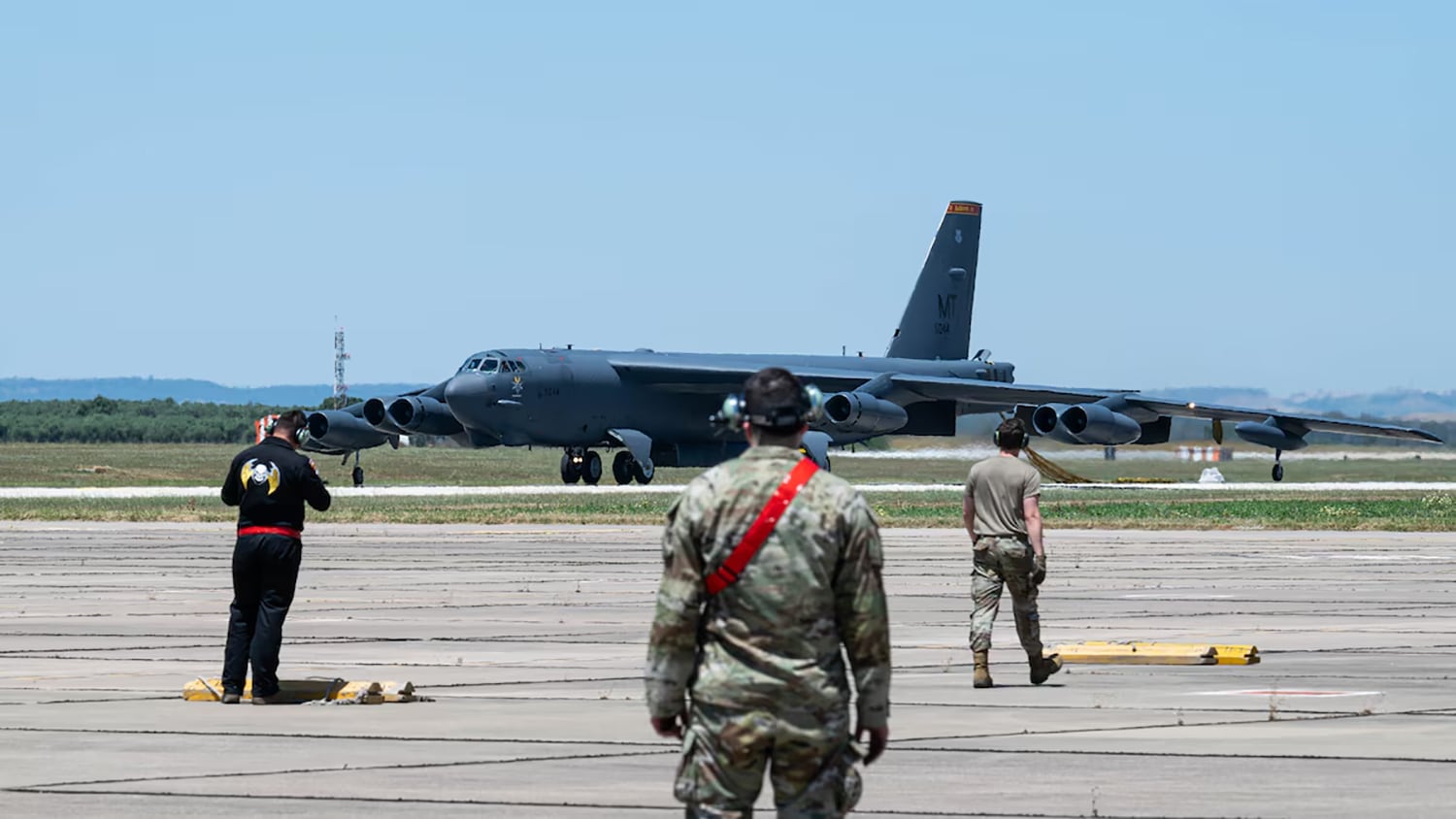
Spain has officially closed its airspace to all military flights involved in the war against Iran. This decision blocks aircraft participating in the U.S. and Israeli mission known as Operation Epic Fury from flying over Spanish territory. The move includes a total ban on using key Spanish military bases for combat or refueling tasks. This choice marks a significant moment where Spain is distancing itself from the military actions of its traditional Western allies.
Main Impact
The decision by the Spanish government creates a major logistical hurdle for the United States and its partners. By blocking its skies, Spain is forcing military planners to find alternative routes for their aircraft. These new paths are often longer and require more fuel, which can slow down military operations. Furthermore, this move creates a clear diplomatic divide in Europe, as Spain is now taking a very different path compared to countries like France, Germany, and the United Kingdom.
Key Details
What Happened
The Spanish government informed military authorities that no planes connected to the attack on Iran are allowed in Spanish air territory. This rule is very strict. It does not just apply to planes trying to land in Spain. It also applies to planes that simply want to fly through Spanish clouds to get somewhere else. Even U.S. aircraft stationed in other European countries, such as the United Kingdom or France, are now forbidden from entering Spanish airspace if they are part of the current war effort.
Important Numbers and Facts
Two major military bases are at the center of this story: Rota in Cádiz and Morón de la Frontera in Sevilla. These bases are usually very busy hubs for U.S. military activity. Under the new rules, no fighter jets or refueling tankers involved in Operation Epic Fury can use these facilities. This is a rare move, as Spain and the U.S. have a long history of sharing these bases for various international missions. The ban was confirmed by military sources on March 30, 2026, following earlier statements from the Spanish government about staying out of the conflict.
Background and Context
To understand why this is happening, we have to look at the conflict between the U.S., Israel, and Iran. Operation Epic Fury was launched to target specific areas in Iran. While several powerful nations decided to help the U.S., Spain decided early on that it would not provide military support. The Spanish government believes that joining the war could lead to more violence and prefers to look for peaceful ways to solve the problem. In the past, Spain has allowed its bases to be used for many NATO missions, but this specific war against Iran is something the current Spanish leadership wants to avoid entirely.
Public or Industry Reaction
The reaction to this news has been mixed. Within Spain, many people support the idea of staying out of a new war in the Middle East. They feel that keeping Spanish territory neutral is the safest choice for the country. However, some military experts and international allies are worried. They argue that this decision could weaken the bond between Spain and the U.S. Some officials in Washington have expressed disappointment, noting that they rely on the strategic location of Spain to move equipment and personnel quickly. Other European neighbors are watching closely to see if Spain’s choice will influence other countries to also limit their support for the operation.
What This Means Going Forward
In the coming weeks, the U.S. military will have to rely more heavily on other bases in the Mediterranean or fly around the Iberian Peninsula. This adds hours to flight times and increases the cost of the mission. For Spain, the next step will be managing its relationship with NATO. While Spain remains a member of the alliance, this specific refusal shows that it will not always follow the lead of the U.S. in every conflict. There may be political tension during future meetings, but Spain seems committed to its decision to keep its airspace and bases away from the war in Iran.
Final Take
Spain is taking a bold stand by prioritizing its neutral position over the requests of its military allies. By closing its airspace, the country is not just making a symbolic gesture; it is creating a real physical barrier for the forces involved in Operation Epic Fury. This move highlights a growing desire for independent foreign policy in Europe, even when it means saying no to the world's most powerful military forces.
Frequently Asked Questions
Does this ban affect normal passenger planes?
No. This ban only applies to military aircraft that are part of the war operations against Iran. Commercial flights for travelers and cargo planes not involved in the conflict can still fly as usual.
Which Spanish bases are specifically mentioned?
The two main bases affected are Rota, located in Cádiz, and Morón de la Frontera, located in Sevilla. These are the primary locations where U.S. and Spanish forces often work together.
Why did Spain block planes from the UK and France?
Spain wants to ensure that no part of its territory is used to help the attack on Iran. Even if a plane starts its journey in a friendly country like the UK, if its mission is to support the war, Spain will not allow it to fly through its skies.