
Summary
South India is currently facing a serious environmental crisis that goes beyond simple summer heat. While other parts of the country have seen unusual rain, states like Kerala, Karnataka, and Tamil Nadu are dealing with extreme heat, high levels of ultraviolet (UV) radiation, and toxic air. This combination is creating a health emergency for millions of people. Experts warn that the intensity of the sun and rising pollution levels are now reaching dangerous heights that could cause long-term damage to both people and nature.
Main Impact
The primary impact of this crisis is a direct threat to public health and the local environment. The high UV index means that even short periods of time spent outdoors can lead to serious skin and eye problems. At the same time, the air at ground level is becoming more harmful due to a rise in surface ozone. This "chemical cocktail" is making it harder for people to breathe and is causing a sharp increase in hospital visits for respiratory issues. The environment is also suffering, as crops are failing and water sources are drying up faster than ever before.
Key Details
What Happened
In recent weeks, the weather in South India has taken a dangerous turn. In cities like Bengaluru and Chennai, the UV index has reached a level of 13. According to the World Health Organization, any number above 11 is considered "extreme." This jump happened very quickly, catching many residents off guard. In Kerala, the government had to issue an orange alert in six different districts because the sun was too strong for people to be outside safely. This is not just a normal summer; it is a sign of how quickly the climate is changing in the region.
Important Numbers and Facts
The data collected by weather experts shows a worrying trend across the southern states. In Kerala, the districts of Pathanamthitta, Alappuzha, Kottayam, Idukki, Kollam, and Palakkad all recorded a UV index of 8 or higher. In Bengaluru, the index rose from 10 to 13 in just two days during the middle of April. This level of radiation is so strong that it can cause permanent damage to skin cells in as little as ten minutes. Furthermore, cases of asthma and lung inflammation have increased by more than 20% in major southern cities because of the poor air quality caused by heat and car exhaust.
Background and Context
There are several reasons why South India is feeling this heat more than other areas. First, the region is closer to the equator, which means the sun's rays hit the ground more directly. Second, many natural cooling systems, like lakes and wetlands, are disappearing. For example, the Pallikaranai wetland in Chennai has lost many of its water sources. When these areas dry up, the ground reflects more heat and radiation back into the air, making the local area even hotter. Additionally, pollution from cars reacts with the intense sunlight to create ground-level ozone, which is a gas that is very harmful to breathe.
Public or Industry Reaction
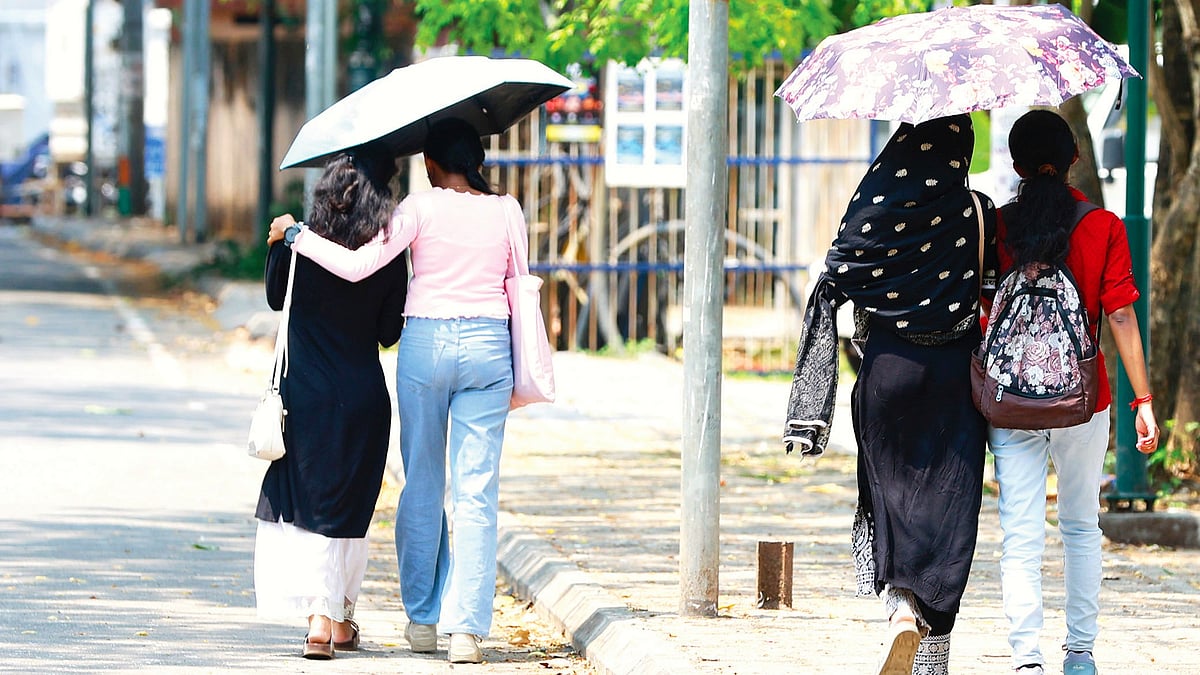
The Kerala State Disaster Management Authority (KSDMA) has been active in warning the public about these risks. They have told people to avoid direct sunlight during the middle of the day to prevent sunburn and heat stroke. Health experts are particularly worried about outdoor workers. People like street vendors, construction workers, and farmers have no choice but to work in the sun. There is a growing call for the government to pass laws that stop manual labor during the hottest hours of the afternoon to protect these vulnerable groups. Many people are also calling for better tracking of UV levels so that citizens can check the danger level as easily as they check the temperature.
What This Means Going Forward
If these trends continue, the way of life in South India will have to change. The high UV levels are already affecting food production. Crops like paddy and pulses are not growing as well because the intense light interferes with how they make food. In the ocean, rising temperatures and radiation are killing tiny organisms called plankton, which could eventually hurt the fishing industry. To fix this, cities need to plant more trees and create "urban forests" to cool the air naturally. There is also an urgent need for better water management to bring back the wetlands that once kept the region cool. Without these changes, the area could become too hot for future generations to live comfortably.
Final Take
The current situation in South India is a clear warning that climate change is not a problem for the distant future; it is happening right now. The combination of extreme sun radiation and toxic air is a silent crisis that requires immediate attention from both the government and the public. Protecting the environment by saving water and planting trees is no longer just a good idea—it is necessary for survival. Taking fast and smart action today is the only way to ensure that the region remains a safe and healthy place to live.
Frequently Asked Questions
What is a UV index of 13?
A UV index of 13 is classified as "extreme" by health experts. It means the sun's rays are very strong and can cause skin damage or sunburn in less than ten minutes if you are not protected.
Why is ground-level ozone dangerous?
While ozone high in the sky protects us, ozone at the ground level is toxic. It is created when pollution from cars reacts with heat and sunlight. Breathing it in can cause lung problems, asthma attacks, and other breathing issues.
How can I protect myself from high UV levels?
The best way to stay safe is to stay indoors between 11:00 AM and 3:00 PM. If you must go outside, wear hats, use umbrellas, wear long sleeves, and apply sunscreen to protect your skin from radiation.

