
Summary
The Indian government has cancelled the detention order against Sonam Wangchuk, a well-known climate activist and scientist from Ladakh. Arvind Kejriwal, the leader of the Aam Aadmi Party (AAP), strongly criticized the central government for holding Wangchuk in jail for nearly six months without evidence. Wangchuk was released from a jail in Jodhpur on Saturday after the National Security Act (NSA) charges against him were dropped. This move has sparked a fresh debate about the treatment of activists and the use of strict security laws in India.
Main Impact
The release of Sonam Wangchuk marks a significant moment for the ongoing protest movement in Ladakh. For months, his detention was a major point of anger for people in the region who are demanding more local power and environmental protections. By dropping the charges, the government has ended a long legal battle, but it has also faced heavy criticism from opposition leaders. Arvind Kejriwal argued that this case proves the government is using its power to silence people who have dedicated their lives to the country.
Key Details
What Happened
Sonam Wangchuk was arrested on September 26 last year. His arrest followed large protests in Leh, where people were asking for Ladakh to be recognized as a full state. The government used the National Security Act (NSA) to keep him in custody, claiming his actions were a threat to the country. On Saturday, around 1:30 pm, he finally walked out of jail after the government decided to withdraw the order. His release comes after his family and supporters spent months fighting for his freedom in court.
Important Numbers and Facts
- Wangchuk spent nearly six months in detention before being released.
- The original protests in Leh resulted in injuries to more than 45 people.
- Among those injured were 22 police officers who were trying to manage the crowds.
- Wangchuk had already served about half of the maximum time allowed under his specific detention order.
- The legal challenge to his arrest, known as a habeas corpus petition, had been pending in the Supreme Court for several months.
Background and Context
To understand why this matters, it is important to look at what is happening in Ladakh. A few years ago, the region was made a Union Territory, which means it is governed more directly by the central government in Delhi. Many local people feel they have lost control over their land and resources. They are asking for Ladakh to be included in the "Sixth Schedule" of the Indian Constitution. This special rule allows tribal areas to have their own local councils to make laws about land, forests, and water.
Sonam Wangchuk is not just a protester; he is a famous engineer and educator. He is known for creating "ice stupas" to help farmers get water and for building eco-friendly schools. Because he is so well-respected, his arrest drew international attention and made many people question why a peaceful scientist was being treated like a dangerous criminal.
Public or Industry Reaction
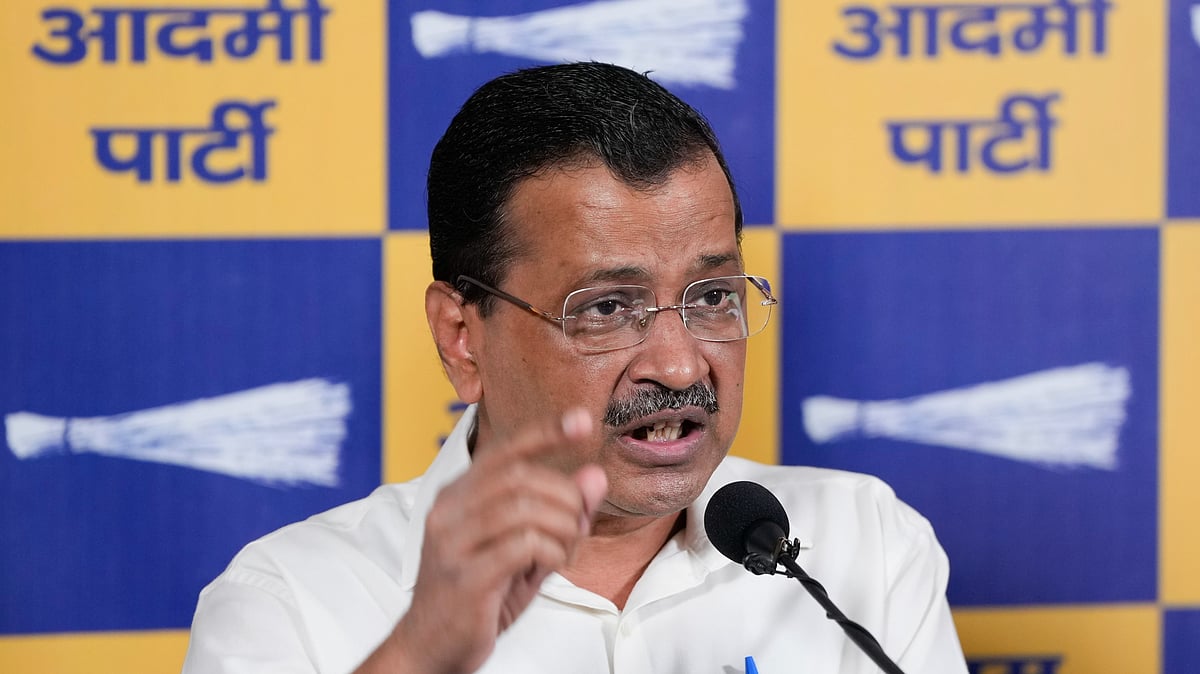
Arvind Kejriwal was very vocal about the situation, calling the government's actions a "dictatorship." He compared Wangchuk’s case to the legal troubles faced by his own party members in Delhi. Kejriwal claimed that the government often puts people in jail for a long time on fake charges just to stop them from speaking out. He said that keeping a person like Wangchuk in jail was a loss for the entire nation.
Saurabh Bharadwaj, another leader from the AAP, also questioned the timing of the release. He pointed out that the government kept asking for more time in court whenever the case came up. He argued that if Wangchuk was truly a threat to national security, the government would not have dropped the charges so suddenly. He suggested that the government realized they had no real evidence to show the Supreme Court.
What This Means Going Forward
Now that Wangchuk is free, the focus will likely return to the demands of the people in Ladakh. The government’s decision to release him might be an attempt to reduce tension in the region. However, the core issues have not been solved. The people of Ladakh still want statehood and protections for their environment. Wangchuk is expected to continue his work and his advocacy, which could lead to more discussions between local leaders and the central government. This case also sets a precedent for how the courts might handle other activists held under strict security laws.
Final Take
The release of Sonam Wangchuk is a major relief for his supporters, but the political fallout is just beginning. By holding a respected scientist for months without a trial, the government has given its critics a powerful reason to complain about the misuse of law. While Wangchuk is back home, the struggle for the future of Ladakh remains far from over. This event serves as a reminder of the difficult balance between national security and the right to protest peacefully.
Frequently Asked Questions
Who is Sonam Wangchuk?
Sonam Wangchuk is an engineer, innovator, and climate activist from Ladakh. He is famous for his work in education reform and for inventing ways to store water in the form of ice to help farmers in high-altitude deserts.
Why was he arrested?
He was arrested under the National Security Act (NSA) following protests in Ladakh. The government claimed his activities were a threat to national security, though his supporters say he was only peacefully demanding rights for his region.
What is the Sixth Schedule?
The Sixth Schedule is a part of the Indian Constitution that gives certain tribal areas the power to govern themselves through local councils. This helps them protect their land, culture, and natural resources from outside influence.

