
Summary
Climate activist Sonam Wangchuk has vowed to continue his hunger strike until July 20, despite doctors warning that his 20-day fast has become dangerous. His health is at risk, but he remains determined to lead a peaceful march to Parliament on that date. The protest, which started on June 20, demands the resignation of the education minister and compensation for families of students who died by suicide. The Delhi High Court has ordered daily health monitoring for Wangchuk.
Main Impact
The hunger strike by Sonam Wangchuk has entered a critical phase, with doctors warning of possible organ damage if it continues. This has raised serious concerns about his health and the safety of other protesters. The planned march to Parliament on July 20 could become a major event, drawing attention to the group's demands for education reform and accountability. The government's response, or lack of it, will shape the outcome of this protest.
Key Details
What Happened
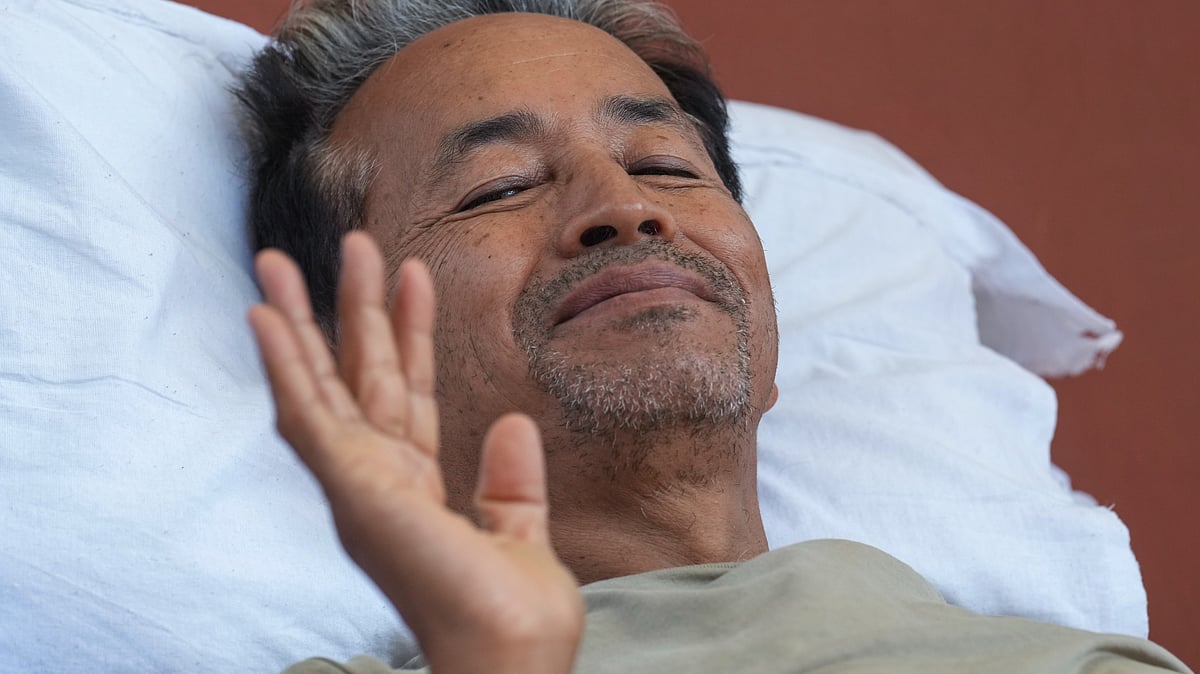
Sonam Wangchuk, a well-known climate activist and education reformer, has been on an indefinite hunger strike for 20 days. He is protesting at Delhi's Jantar Mantar as part of the Cockroach Janta Party (CJP) movement, which has been ongoing for 28 days. On Friday, he told supporters he is weak physically but strong mentally, and he will stay alive until July 20 at any cost. He even joked that if the march fails, he will come back as a ghost.
Important Numbers and Facts
The hunger strike began on June 28, while the overall protest started on June 20. Wangchuk's fast has now reached a dangerous stage, with doctors warning of health risks like organ damage. Three other protesters from the All India Students' Association (AISA) are also on hunger strike and facing serious issues: one is at risk of hypovolemic shock from dehydration, another has a blood sugar level of 49 mg/dL, and a third has lost over 10% of his body weight. The group demands the resignation of Union Education Minister Dharmendra Pradhan and Rs 1 crore compensation for families of students who died by suicide due to exam irregularities.
Background and Context
The Cockroach Janta Party protest began on June 20, focusing on alleged examination irregularities in educational institutions. Wangchuk joined on June 28 and started his hunger strike to amplify the demands. The group wants accountability from the government, especially the education minister, and financial support for affected families. The planned march to Parliament on July 20 coincides with the start of the Monsoon Session, aiming to pressure lawmakers. This protest is part of a larger movement for education reform in India.
Public or Industry Reaction
Supporters have shown strong backing for Wangchuk, with cheers and applause during his speech. The Delhi High Court has stepped in, ordering authorities to monitor his health daily and provide medical help if needed. The AISA has expressed solidarity, stating that students are determined to continue the protest until the government addresses their concerns. However, doctors have raised alarms about the health risks, urging Wangchuk to end his fast. The public reaction is mixed, with some praising his commitment and others worried about his safety.
What This Means Going Forward
The next few days are crucial. If Wangchuk's health worsens, it could force the government to respond or lead to a medical emergency. The march on July 20 will test the strength of the protest and the government's willingness to engage. If the turnout is large, it could increase pressure on the education minister. However, if the fast continues without a resolution, it may lead to more health crises among protesters. The court's involvement ensures some oversight, but the outcome depends on political will.
Final Take
Sonam Wangchuk's hunger strike has become a symbol of determination for education reform, but it now poses serious health risks. The planned march on July 20 will be a key moment, showing whether the protest can achieve its goals. The government must decide whether to address the demands or face growing public pressure. For now, Wangchuk's resolve remains strong, but his health is a ticking clock.
Frequently Asked Questions
Why is Sonam Wangchuk on a hunger strike?
Sonam Wangchuk is on a hunger strike to demand the resignation of Union Education Minister Dharmendra Pradhan and compensation for families of students who died by suicide due to alleged exam irregularities. He is part of the Cockroach Janta Party protest at Jantar Mantar in Delhi.
What are the health risks of his hunger strike?
Doctors have warned that Wangchuk's 20-day fast has entered a dangerous phase, with risks of organ damage, dehydration, and other serious complications. Other protesters are also facing health issues like low blood sugar and weight loss.
What is the planned march on July 20?
The protest group plans a peaceful march to Parliament on July 20, which is the opening day of the Monsoon Session. They aim to present their demands directly to lawmakers and increase pressure on the government to act.

