
Summary
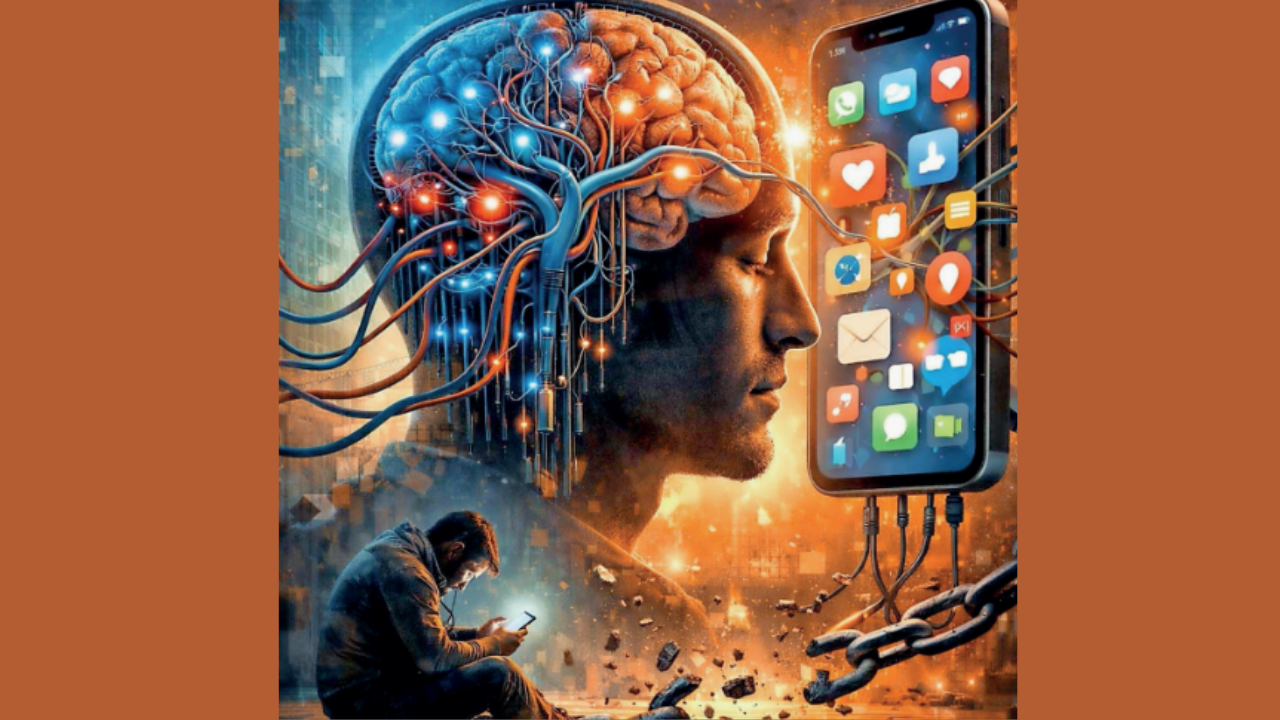
Smartphones are no longer just tools for communication; they are actively changing the physical structure and function of the human brain. Constant scrolling and frequent notifications train our minds to expect instant rewards, which alters how we process information. This shift impacts our ability to focus, remember details, and manage our emotions. Understanding these changes is the first step toward regaining control over our mental health and daily habits.
Main Impact
The most significant impact of heavy phone use is the way it reshapes the brain's reward system. Every time we receive a like, a message, or a news update, our brain releases a small amount of dopamine. This is a chemical that makes us feel good. Over time, the brain begins to crave these quick hits of excitement. This makes it much harder to stay interested in slow, quiet activities like reading a book or having a long conversation. As a result, many people find themselves feeling bored or anxious whenever they are not looking at a screen.
Key Details
What Happened
Scientists have discovered that the brain is "plastic," which means it can change and adapt based on what we do every day. When we spend hours jumping from one app to another, we are training our brains to be distracted. The pathways in the brain that help us focus on one thing for a long time become weaker. Meanwhile, the pathways that handle quick, shallow information become stronger. This process is often called "digital rewiring," and it happens to both children and adults who use their devices excessively.
Important Numbers and Facts
Research shows that the average person checks their phone over 2,600 times every day. For heavy users, this number can double. Studies also suggest that the human attention span has dropped significantly over the last twenty years. Some reports indicate that our ability to focus is now shorter than that of a goldfish, lasting only about eight seconds. Additionally, using a phone late at night can delay sleep by up to two hours because the blue light from the screen stops the brain from producing sleep hormones.
Background and Context
In the years before smartphones, people had to rely on their own memory for many things. We memorized phone numbers, learned how to read paper maps, and sat through moments of boredom without a screen to distract us. Today, we "outsource" these tasks to our phones. This has led to a trend called "digital amnesia." Because we know our phones can find any piece of information in seconds, our brains stop trying to store that information. While this is convenient, it means we are not exercising the parts of our brain responsible for long-term memory and problem-solving.
Public or Industry Reaction
Many health experts and psychologists are expressing deep concern about these changes. They have coined terms like "nomophobia," which is the fear of being without a mobile phone. Doctors are seeing more patients with symptoms of digital burnout, such as constant tiredness, irritability, and a lack of motivation. Interestingly, even some people who helped build social media platforms have spoken out. They admit that apps were designed to be addictive by using the same tricks found in slot machines to keep people looking at their screens for as long as possible.
What This Means Going Forward
The good news is that because the brain is plastic, it can also be "unwired" from these habits. To fix the damage, experts suggest practicing "digital hygiene." This includes simple steps like turning off all notifications that are not from real people. Setting specific times to check email or social media can also help. Many people are now trying "digital detoxes," where they stay away from screens for a full day or weekend. These breaks allow the brain to rest and help restore the ability to focus on deep, meaningful work.
Final Take
Technology is a powerful part of modern life, but it should serve us rather than control us. By being mindful of how much time we spend on our phones, we can protect our brains from unwanted changes. Taking back our attention is essential for staying creative, productive, and mentally healthy in a world that is always trying to distract us.
Frequently Asked Questions
Can my brain go back to normal if I use my phone less?
Yes. The brain is very adaptable. If you reduce your screen time and practice focusing on single tasks, your brain can strengthen the pathways used for deep thinking and attention.
Why does my phone make it hard to sleep?
Phones emit a specific type of blue light that tells your brain it is daytime. This prevents the release of melatonin, the hormone that makes you feel sleepy, making it harder to fall and stay asleep.
What is digital amnesia?
Digital amnesia is the habit of forgetting information because you know a digital device can remember it for you. This can lead to a weaker memory over time because the brain is not being challenged to store facts.



