
Summary
The traditional match industry in Tamil Nadu is facing a major crisis that threatens its century-old history. For decades, the town of Sivakasi has been the heart of match production in India, providing jobs to hundreds of thousands of people. However, the rise of cheap, plastic lighters imported from China is now pushing this local industry toward a collapse. These lighters are easy to use and very cheap, making them a popular choice for consumers over traditional wooden matchboxes.
Main Impact
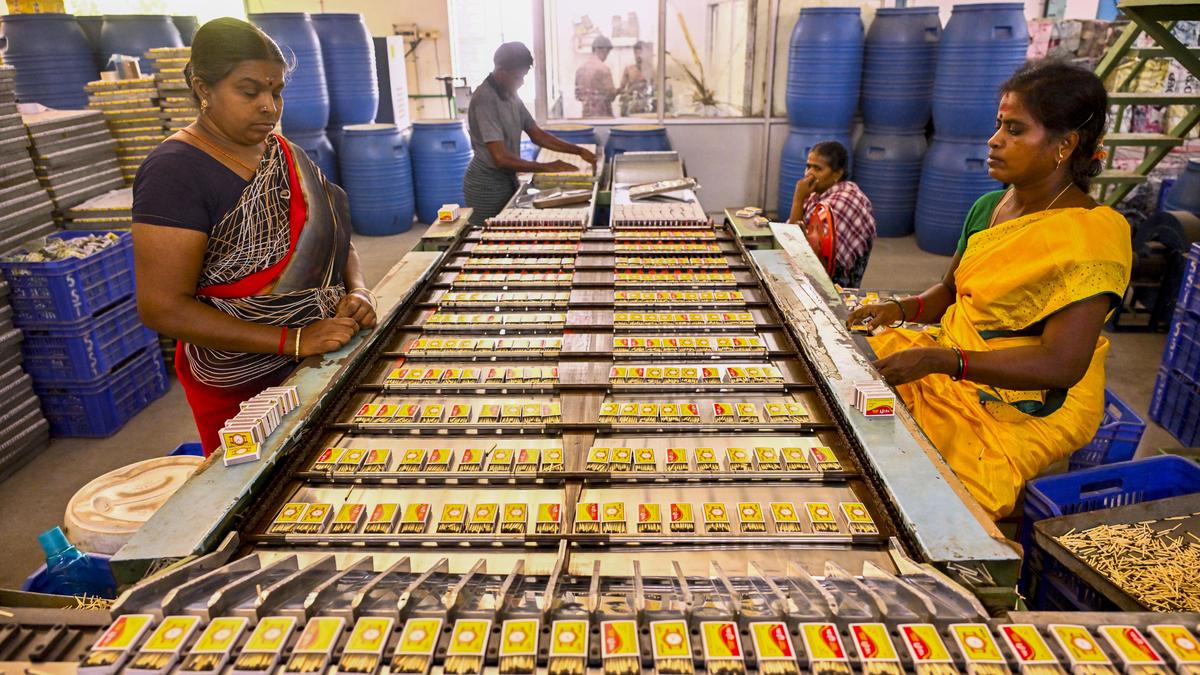
The biggest impact of this shift is being felt by the workers and small business owners in southern Tamil Nadu. The match industry is a labor-intensive business, meaning it relies on many people working with their hands. As sales of matchboxes drop, factories are forced to cut production or close down entirely. This has led to a loss of income for many families who have no other way to earn a living. The local economy, which depends heavily on the match and firework sectors, is now under extreme pressure.
Key Details
What Happened
In recent years, the Indian market has been flooded with small, colorful plastic lighters. Most of these are imported from China or other neighboring countries. While a single matchbox costs only a few rupees, it only lasts for about 40 to 50 lights. In contrast, a cheap plastic lighter can be bought for 10 to 20 rupees and can be used hundreds of times. This convenience has caused a massive change in how people light stoves, candles, or cigarettes.
Important Numbers and Facts
The match industry in Tamil Nadu is over 100 years old and supports nearly 400,000 workers directly and indirectly. About 90% of India’s safety matches are produced in this region. Industry experts report that matchbox sales have fallen by nearly 30% to 40% in some areas since the influx of imported lighters. While a matchbox is made of wood and paper, which are biodegradable, the new lighters are made of plastic and contain gas, making them harder to recycle and more harmful to the environment.
Background and Context
Sivakasi became the center of the match industry in the early 1920s. Two entrepreneurs, P. Ayya Nadar and A. Shanmuga Nadar, traveled to Kolkata to learn the art of match-making and brought the skills back to their hometown. Since then, the industry has grown into a massive network of small and medium-sized units. It is unique because it employs a large number of women, many of whom work from their homes to help support their families. For over a century, the simple matchbox was a staple in every Indian household, but modern technology and global trade are now changing that reality.
Public or Industry Reaction
Owners of match factories are calling on the government to take urgent action. They argue that many of these plastic lighters are being brought into the country illegally or are being sold without following safety rules. The industry has asked for a total ban on single-use plastic lighters to protect local jobs. They also point out that the match industry uses natural materials like wood from fast-growing trees, whereas plastic lighters contribute to the growing problem of plastic waste in India. Local trade unions have also held protests, fearing that the complete disappearance of the match industry would lead to widespread poverty in the region.
What This Means Going Forward
The future of the match industry depends on how the government responds to these concerns. If strict taxes or bans are placed on imported lighters, the match industry might have a chance to survive and modernize. However, if the current trend continues, many factories will likely shut down within the next few years. The industry may need to find new ways to stay relevant, such as producing high-end matches for export or focusing on eco-friendly branding. There is also a need for the government to help workers learn new skills so they can find jobs in other sectors if the match industry continues to shrink.
Final Take
The struggle between the traditional matchbox and the modern plastic lighter is a clear example of how global trade can affect local traditions. While lighters offer more convenience, the cost to the local workforce and the environment is high. Saving the match industry is not just about keeping an old product alive; it is about protecting the lives of thousands of people who have built their world around this simple but essential tool. The coming years will decide if the light of Sivakasi’s match industry will keep burning or finally go out.
Frequently Asked Questions
Why are Chinese lighters a threat to the match industry?
Chinese lighters are very cheap and last much longer than a single matchbox. Because they are more convenient for daily use, many people are stopping their use of traditional matches, leading to a drop in sales for local factories.
How many people work in the Tamil Nadu match industry?
Approximately 400,000 people depend on the match industry for their livelihood in Tamil Nadu. Most of these workers are located in and around the town of Sivakasi.
What is the environmental difference between matches and lighters?
Matches are generally made from wood and paper, which break down naturally over time. Plastic lighters are made of non-biodegradable materials and contain chemicals and gases, making them a bigger threat to the environment when they are thrown away.



