Summary
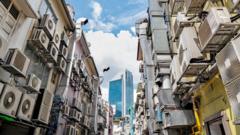
Singapore is currently facing a difficult situation as global energy prices continue to climb. The city-state is famous for its heavy use of air conditioning, which is necessary to deal with its hot and humid tropical weather. However, because Singapore relies on imported fuel to create electricity, the rising cost of energy is making it much more expensive to keep the city cool. This situation is forcing residents and the government to reconsider their cooling habits and look for more efficient ways to manage the heat.
Main Impact
The biggest impact of this energy crisis is the rising cost of living for everyday people. Electricity bills have gone up significantly, hitting both families and small businesses hard. In a city where air conditioning is often seen as a basic need rather than a luxury, many people are finding it hard to cut back. This has also put pressure on the national power grid and forced the government to speed up plans for more sustainable cooling methods. The financial strain is a clear reminder of how much the city depends on outside sources for its energy needs.
Key Details
What Happened
For decades, Singapore has built its entire way of life around indoor climate control. From shopping malls and offices to public transport and homes, air conditioning is everywhere. Recently, the global price of natural gas and oil has increased due to conflicts and supply chain issues in other parts of the world. Since Singapore uses natural gas to produce almost all of its electricity, these price hikes were passed down to consumers. At the same time, temperatures in the city are reaching new highs, making the demand for cooling even stronger than before.
Important Numbers and Facts
In a typical Singaporean home, air conditioning can account for as much as 40% of the total electricity bill. As energy prices rose by over 20% in some periods, families saw their monthly costs jump by dozens of dollars. On a larger scale, Singapore imports about 95% of its electricity supply through natural gas. The city also faces the "Urban Heat Island" effect, where concrete buildings and roads trap heat, making the city center several degrees warmer than the surrounding countryside. This means that even as prices go up, the physical need for cooling is not going away.
Background and Context
The history of Singapore is closely tied to air conditioning. The country’s first Prime Minister, Lee Kuan Yew, once called it the most important invention for the tropics. He believed that being able to work in a cool environment allowed the nation to become a global leader in business and finance. Because of this, the city was designed with the assumption that indoor spaces would always be chilled. However, this design choice has created a deep dependency. Now that energy is no longer cheap, the very thing that helped the city grow is becoming a heavy financial burden.
Public or Industry Reaction
The reaction from the public has been a mix of worry and adaptation. Many residents are now using electric fans more often and only turning on the air conditioning at night to save money. In the business world, building owners are looking into "smart" cooling systems that use sensors to adjust temperatures based on how many people are in a room. The government is also promoting a "district cooling" system. This involves a large central plant that sends chilled water through pipes to many different buildings, which is much more efficient than each building having its own separate cooling units.
What This Means Going Forward
Moving forward, Singapore will likely change how it builds and lives. There is a growing push for "passive cooling" designs. This means building houses with better airflow and using special materials that do not soak up as much heat from the sun. We can also expect to see more greenery on the sides of buildings to help lower the temperature naturally. While air conditioning will never disappear from the city, the goal is to make it a secondary option rather than the only way to stay comfortable. The energy crisis is acting as a wake-up call to find a balance between comfort and cost.
Final Take
Singapore is at a turning point where it must learn to live with the heat in a smarter way. The current energy crisis shows that relying too much on one type of technology can be risky when global prices change. By focusing on better building designs and more efficient cooling systems, the city can protect its economy and its people from future price shocks. Staying cool is a necessity in the tropics, but doing it in a way that is affordable and sustainable is the new priority.
Frequently Asked Questions
Why is air conditioning so expensive in Singapore right now?
The cost has gone up because Singapore uses natural gas to make electricity. When global gas prices rise, the cost of running an air conditioner goes up for everyone in the city.
Can Singapore use solar power instead?
Singapore is trying to use more solar power, but the city is small and does not have enough space for large solar farms. While it helps, it cannot yet replace all the energy needed for the whole city.
What is district cooling?
District cooling is a system where one large, efficient plant cools down water and sends it to many buildings in an area. It uses much less energy than having hundreds of small air conditioning units running at the same time.