
Summary
Health officials in Maharashtra are using a new testing method to find more cases of sickle cell disease in the Nandurbar district. This method, known as Dried Blood Spot (DBS) testing, allows workers to collect blood samples easily in remote tribal areas. By using this simple tool, the state is making progress toward the national goal of ending sickle cell disease. This shift is helping doctors identify both patients and carriers much faster than before.
Main Impact
The introduction of DBS testing has changed how public health works in rural Maharashtra. In the past, testing for sickle cell disease was difficult because blood samples had to be kept cold and moved quickly to a lab. Now, health workers can reach the most distant villages without worrying about the samples spoiling. This has led to a massive increase in the number of people screened, ensuring that those with the condition get the medical help they need early on.
Key Details
What Happened
The Maharashtra health department started using DBS testing to improve its screening program in Nandurbar. Nandurbar is a hilly area with many tribal communities where sickle cell disease is very common. Health workers visit schools, community centers, and homes to collect samples. Instead of filling a tube with blood, they only need a few drops from a finger prick. These drops are placed on a special type of paper and allowed to dry. Once dry, these samples are sent to a central laboratory for testing.
Important Numbers and Facts
The Indian government has set a target to eliminate sickle cell anemia by the year 2047. To reach this, millions of people under the age of 40 need to be tested. In Nandurbar alone, thousands of people are being screened every month. The DBS method is much cheaper than older tests and is highly accurate. It can tell the difference between someone who has the disease and someone who only carries the gene but is not sick. This information is vital for families when they plan for the future.
Background and Context
Sickle cell disease is a condition that affects red blood cells. Normally, these cells are round and move easily through the body. In people with this disease, the cells become hard and shaped like a crescent moon or a "sickle." These cells can get stuck in small blood vessels, causing intense pain, infections, and damage to organs like the heart and lungs. It is a genetic condition, meaning it is passed from parents to children.
In many parts of India, especially in tribal regions, the gene for sickle cell is very common. For a long time, many people did not know they had it because they lived far away from big hospitals. Traditional blood tests required a "cold chain," which means the blood had to stay refrigerated from the moment it was taken until it reached the lab. In hot areas with poor electricity, keeping blood cold is almost impossible. DBS testing solves this problem because dried blood does not need to be kept in a fridge.
Public or Industry Reaction
Health experts and local leaders have welcomed the move to DBS testing. Doctors say that the ease of collection means they can now screen entire villages in a single day. Local residents are also more comfortable with the new method. A small finger prick is less scary than a needle in the arm, especially for young children in schools. Public health experts believe that if this success continues in Nandurbar, it will serve as a model for the rest of the country.
What This Means Going Forward
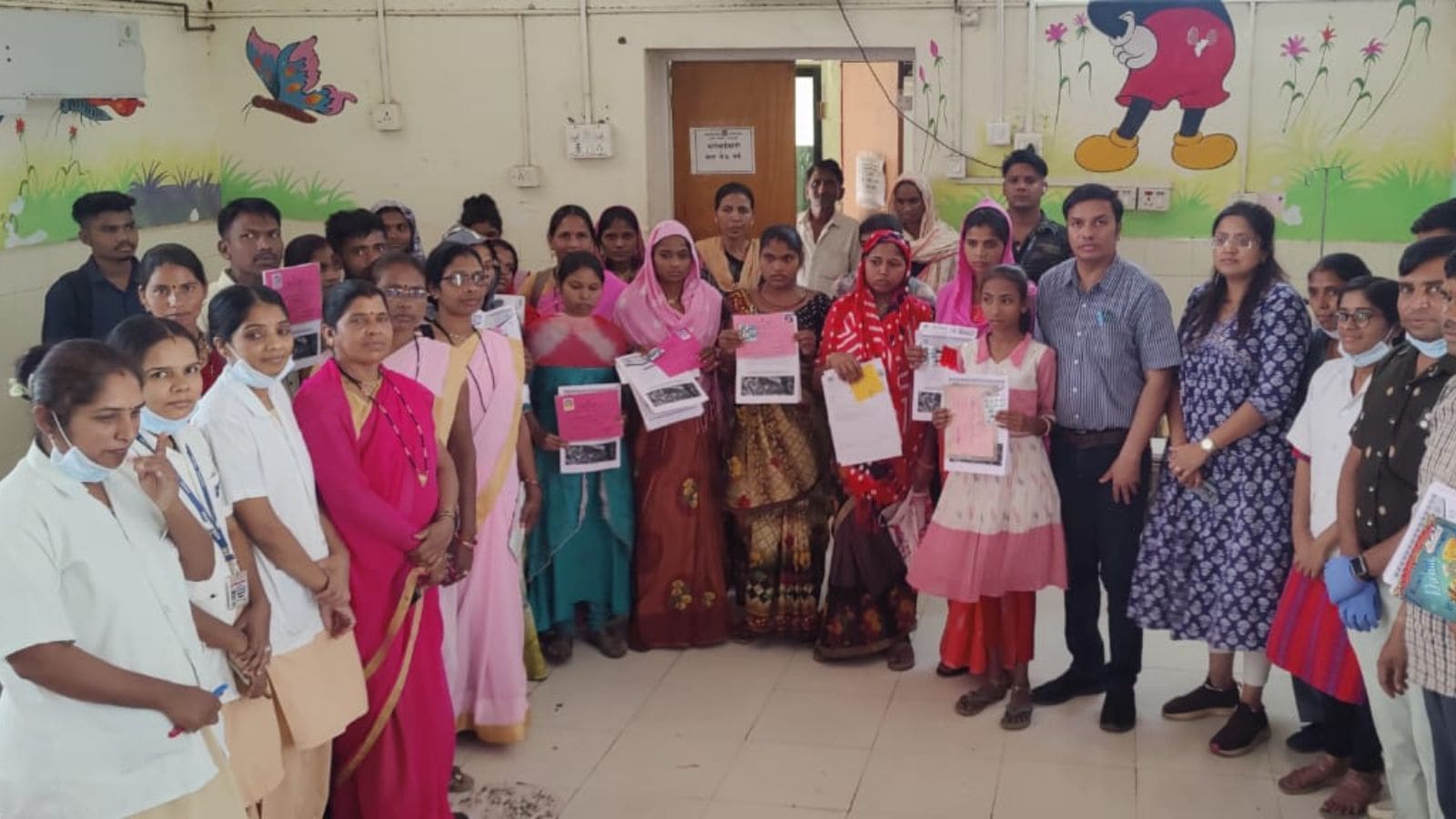
The success in Nandurbar is just the beginning. The Maharashtra government plans to use this testing method in other districts with high tribal populations, such as Gadchiroli and Amravati. By collecting better data, the government can allocate more money for medicines and specialized clinics in the areas that need them most. The next step is to provide "sickle cell cards" to everyone who is tested. These cards show their status and help them make informed choices about marriage and health care, which will eventually stop the disease from being passed to the next generation.
Final Take
Using simple and smart technology like Dried Blood Spot testing is a major win for rural health care. It proves that even the most remote communities can have access to modern medical testing. By removing the need for expensive cooling systems and large needles, Maharashtra is taking a practical path toward a healthier future for its tribal citizens. This effort brings India one step closer to its goal of a sickle-cell-free generation.
Frequently Asked Questions
What is Dried Blood Spot (DBS) testing?
It is a way to collect blood by pricking a finger and putting a few drops on a special paper. The blood dries on the paper and can be sent to a lab for testing without needing to stay cold.
Why is testing important for sickle cell disease?
Testing helps find people who have the disease so they can get treatment. It also finds "carriers" who do not feel sick but can pass the gene to their children. Knowing this helps families make better health decisions.
Why is Nandurbar a focus for this program?
Nandurbar has a large tribal population where the sickle cell gene is very common. Because the area is remote and hilly, the new DBS testing method is the best way to reach everyone living there.



