Summary
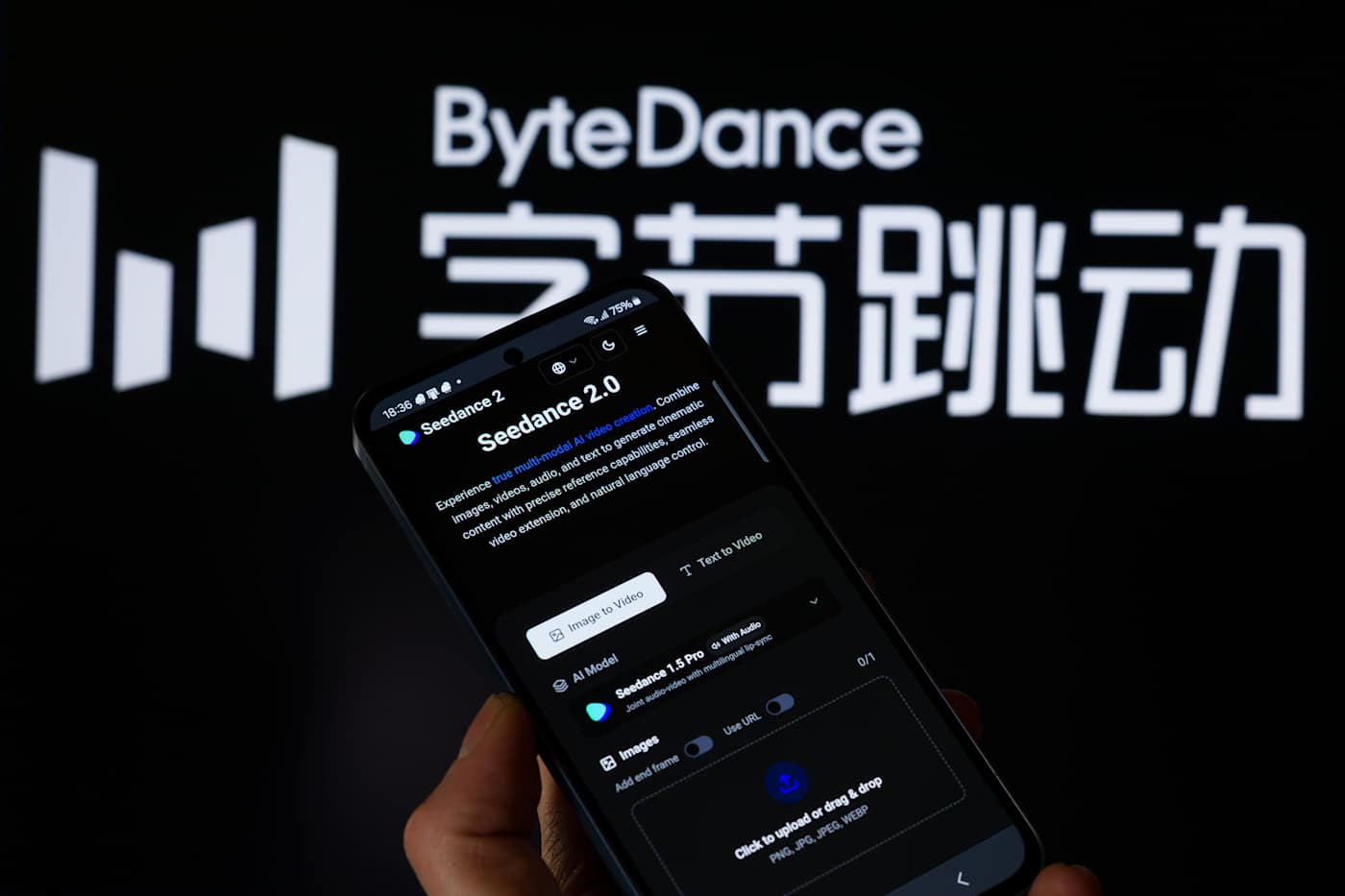
United States senators have officially called for ByteDance to shut down its new artificial intelligence video tool, Seedance 2.0, immediately. The demand comes after concerns that the app uses the work of artists, actors, and filmmakers without their permission. While ByteDance has already paused the global release of the app, lawmakers argue that a temporary pause is not enough to protect the rights of American creators.
Main Impact
The primary impact of this demand is a major increase in pressure on AI developers to respect copyright laws. If ByteDance complies or is forced to stop the app, it sets a strong example for other tech companies. This situation shows that the government is becoming more active in protecting the "economic livelihoods" of the creative community. It also highlights a growing conflict between fast-moving AI technology and the legal rights of people who create original content like movies and art.
Key Details
What Happened
Senators Marsha Blackburn and Peter Welch sent a formal letter to ByteDance, the company that also owns TikTok. In the letter, they stated that Seedance 2.0 is a "direct threat" to the American system of owning and protecting ideas. They believe the app was built by taking work from others to train its AI system. This happened just days after ByteDance decided to stop the app's worldwide rollout on its own, following a wave of criticism over how the AI generates videos.
Important Numbers and Facts
The senators pointed to several specific examples where the AI created videos using famous characters and real people. These included a fake battle between the superheroes Thanos and Superman, a video that changed the ending of the popular show Stranger Things, and a viral clip showing actors Tom Cruise and Brad Pitt fighting. These examples are used to show that the AI knows too much about copyrighted stories and famous faces. Additionally, the Motion Picture Association, which represents major film studios, has already sent a legal notice to ByteDance telling them to stop using their content.
Background and Context
To understand why this is a big deal, it helps to know how AI video apps work. These programs need to "watch" millions of existing videos to learn how to create new ones. The problem is that many of those videos are owned by movie studios or individual artists. When an AI company uses these videos without paying for them or asking, creators feel their work is being stolen. In the past year, many actors and writers have gone on strike or filed lawsuits because they are worried AI will replace them or use their faces and voices without permission. This move by the senators is part of a larger effort to make sure technology does not ruin the careers of real people.
Public or Industry Reaction
ByteDance has tried to calm the situation by saying they respect the rights of creators. The company claimed they are working on better ways to stop users from making videos that break copyright rules. However, the senators are not convinced. They called ByteDance's response a "delay tactic." They believe the company is just trying to buy time while they continue to profit from work they did not create. Meanwhile, many people in the film industry are cheering the government's move, as they want stricter rules on how AI companies can use their movies and shows.
What This Means Going Forward
The next step in this battle is a new piece of legislation. Senators Blackburn and Welch have introduced a bipartisan bill designed to help artists. If this bill becomes law, it would allow creators to see the records of what data was used to train an AI model. This transparency would make it much easier for artists to sue if they find their work was used illegally. For ByteDance, the future of Seedance 2.0 is uncertain. They may have to completely change how the app works or keep it offline in the United States to avoid massive fines or further legal trouble.
Final Take
The fight over Seedance 2.0 is a clear sign that the "wild west" era of AI development is coming to an end. Lawmakers are no longer willing to let tech giants use creative work for free under the excuse of innovation. As the government moves to protect intellectual property, AI companies will have to find more honest ways to build their tools. The outcome of this specific case will likely shape the rules for all AI video generators in the years to come.
Frequently Asked Questions
What is Seedance 2.0?
Seedance 2.0 is an artificial intelligence tool created by ByteDance that allows users to generate videos from simple text descriptions. It has faced criticism for using copyrighted movies and famous actors' faces to create its content.
Why do senators want the app shut down?
Senators argue that the app was trained using stolen creative work. They believe it violates the rights of artists and filmmakers and poses a threat to the American economy by allowing a machine to copy human creativity without permission.
Can artists stop AI from using their work?
Currently, it is difficult for artists to know if their work was used. However, new laws are being proposed that would force AI companies to show exactly what videos, images, and books they used to train their systems, making it easier for artists to protect their rights.