
Summary
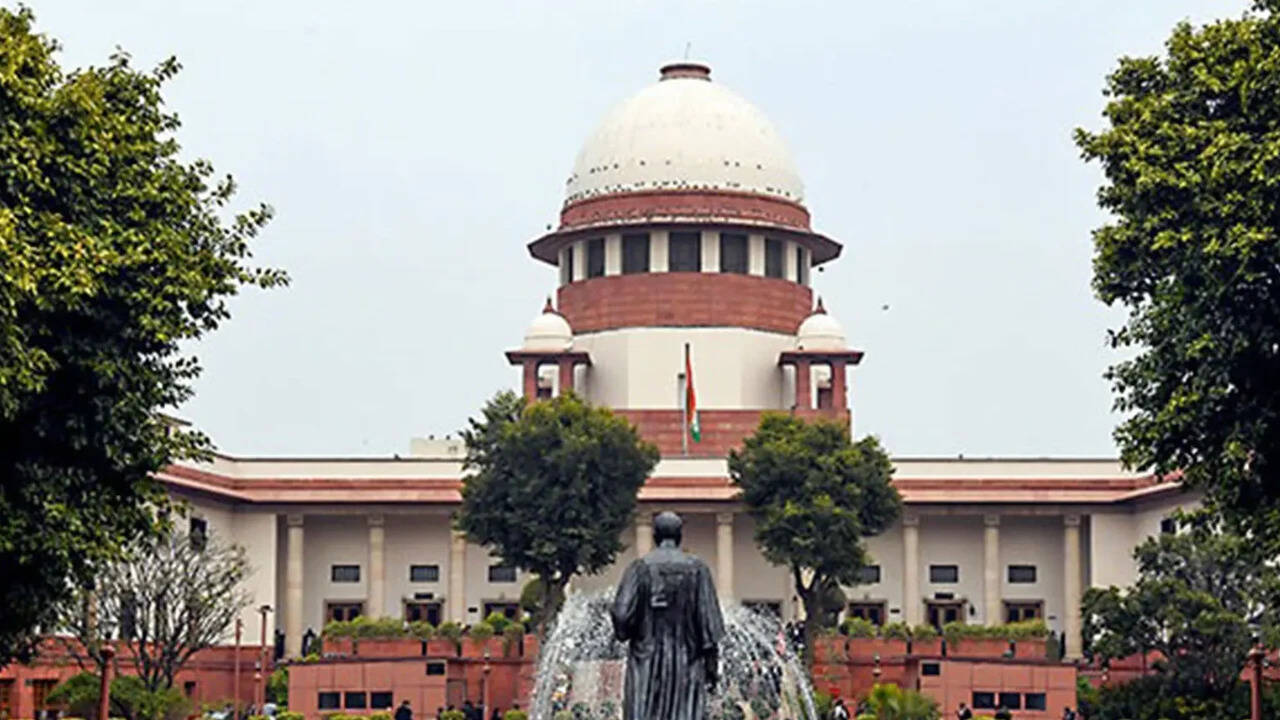
The Supreme Court of India has decided to review a legal claim regarding the pension rights of a second wife. The case involves a deceased government official whose second spouse is seeking financial support through his pension benefits. This move by the court is significant because it addresses the complex legal status of multiple marriages and how they affect government benefits. The court has issued a formal notice to the relevant authorities to hear their side of the story.
Main Impact
This case could change how government departments handle pension claims in the future. Currently, many departments face difficult choices when more than one person claims to be the legal spouse of a deceased worker. A clear ruling from the Supreme Court will provide a standard rule for these situations. It will help officials decide who is eligible for money and who is not, potentially reducing the number of long legal battles in lower courts.
Key Details
What Happened
The Supreme Court issued a notice after receiving a petition from a woman who married a government official while his first marriage was still a factor. After the official passed away, the woman applied for a family pension. However, she faced legal hurdles because of existing laws that often do not recognize a second marriage as valid if the first one was never legally ended. She decided to take her case to the highest court to seek a share of the financial benefits.
Important Numbers and Facts
The case centers on the Central Civil Services (Pension) Rules, which govern how money is distributed to the families of government employees. Under these rules, the "family" usually includes the legally wedded wife and children. In many states, if a second marriage happens without a legal divorce from the first wife, the second wife is not considered a legal heir for pension purposes. The court will now look at whether any exceptions can be made or if the rules need a new interpretation.
Background and Context
In India, the Hindu Marriage Act generally forbids a person from having two spouses at the same time. If a man marries a second time while his first wife is still alive and they are not divorced, the second marriage is often seen as "void" or not legal in the eyes of the law. This creates a major problem when the husband dies. The second wife may have lived with the man for many years and even raised children with him, but she finds herself without any financial support from his job benefits.
Pensions are designed to provide a safety net for the family of a worker. When the law refuses to recognize the second wife, she can end up in poverty. Over the years, different High Courts have given different opinions on this matter. Some have shown sympathy to the second wife, while others have strictly followed the written law. The Supreme Court now has the chance to settle this disagreement once and for all.
Public or Industry Reaction
Legal experts are watching this case closely. Some lawyers argue that the law must remain strict to discourage people from entering into illegal second marriages. They believe that giving pensions to second wives might weaken the rights of the first wife. On the other hand, social activists argue that the law should be more flexible. They point out that many women in these situations are not aware of the legal status of their marriage and should not be punished with financial ruin after their partner dies.
What This Means Going Forward
The Supreme Court will now wait for a response from the government and the other parties involved. Once all the information is gathered, the judges will hold a hearing to debate the merits of the claim. If the court rules in favor of the second wife, it could lead to a change in how "family" is defined in pension rules. If they rule against her, it will reinforce the current strict laws regarding marriage and government benefits. This decision will affect thousands of families across India who are in similar situations.
Final Take
This legal battle is about more than just money; it is about how the law views modern family structures. While the rules are meant to be clear, real-life situations are often messy and complicated. The Supreme Court's involvement shows that there is a need for a final answer on whether a second wife deserves financial protection. The outcome will be a major milestone in Indian family and labor law.
Frequently Asked Questions
Can a second wife legally claim a pension in India?
Generally, a second wife cannot claim a pension if the first marriage was still active at the time of her marriage. However, the Supreme Court is currently reviewing cases to see if there are exceptions or if the law should be updated.
What is a "void" marriage?
A void marriage is a marriage that is not legally valid from the start. In India, a second marriage is usually considered void if the person was already married and had not obtained a legal divorce.
Who usually receives the family pension after a government official dies?
The pension is typically given to the legally recognized spouse. If there is no spouse, it may go to dependent children or, in some cases, dependent parents, depending on the specific service rules.



