Summary
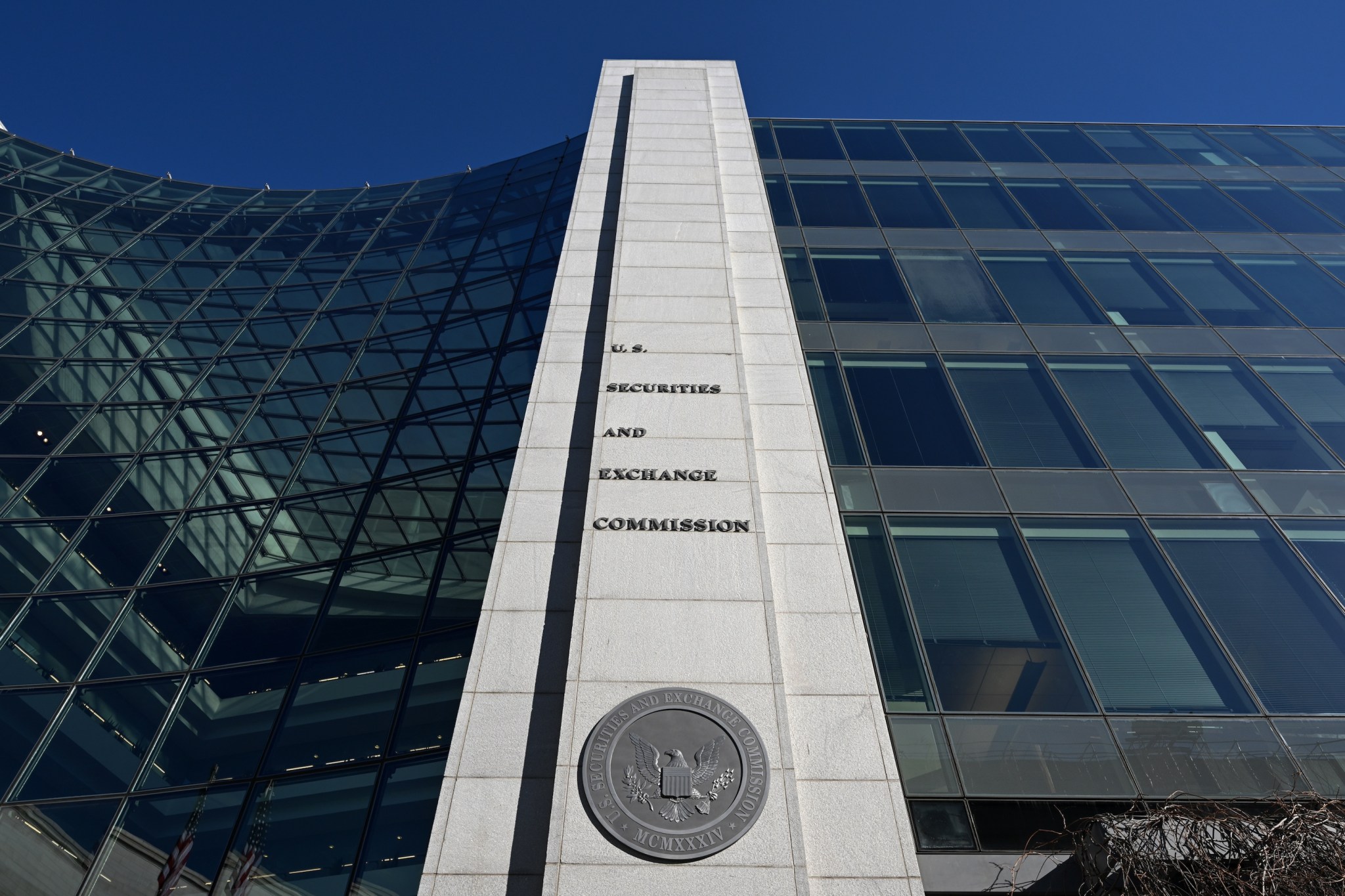
The Securities and Exchange Commission (SEC) is considering a major change to how public companies share their financial health. Currently, these companies must release financial reports every three months, known as quarterly reporting. A new proposal could soon allow companies to switch to a semiannual schedule, meaning they would only report their numbers twice a year. While this move is intended to save time and money, it is causing significant concern among financial leaders and market experts who worry about a lack of transparency.
Main Impact
The shift from quarterly to semiannual reporting would fundamentally change how the stock market functions. For over half a century, the three-month reporting cycle has been the standard rhythm for investors and businesses. If this requirement becomes optional, the steady flow of information that investors rely on could dry up. Chief Financial Officers (CFOs) are particularly nervous because they may have to find new ways to keep investors interested and informed without the structure of a mandatory quarterly update.
Key Details
What Happened
Reports indicate that the SEC is drafting a proposal that would make quarterly filings optional for U.S. public companies. This plan is expected to be released for public discussion as early as April. The goal is to reduce the burden on public companies and perhaps encourage more private businesses to join the stock market. However, the proposal has not been finalized, and it is already sparking a heated debate among corporate lawyers, accountants, and financial advisors.
Important Numbers and Facts
- The quarterly reporting system has been the standard for more than 50 years.
- Companies currently file a document called a 10-Q every three months.
- The new proposal would allow for a six-month reporting cycle instead.
- Experts suggest that while some money might be saved on paperwork, the cost of managing investor questions could actually go up.
- Smaller companies are expected to be the most likely to drop quarterly reports, which could lead to more volatile stock prices.
Background and Context
In the business world, information is power. Quarterly earnings reports give companies a specific time to tell their story to the public. They explain how much money they made, what challenges they faced, and what they plan to do next. This regular schedule helps keep stock prices stable because investors get frequent updates. Without these updates, investors are left in the dark for longer periods. This gap in information can lead to "stale" data, where the numbers people are looking at no longer reflect the current reality of the business.
There is also a legal side to this. Rules like Regulation FD require companies to share important information with everyone at the same time. When reports come out every three months, it is easier for executives to talk to the public because the data is fresh. If they only report every six months, they might have to be much more careful about what they say in between reports to avoid breaking the law.
Public or Industry Reaction
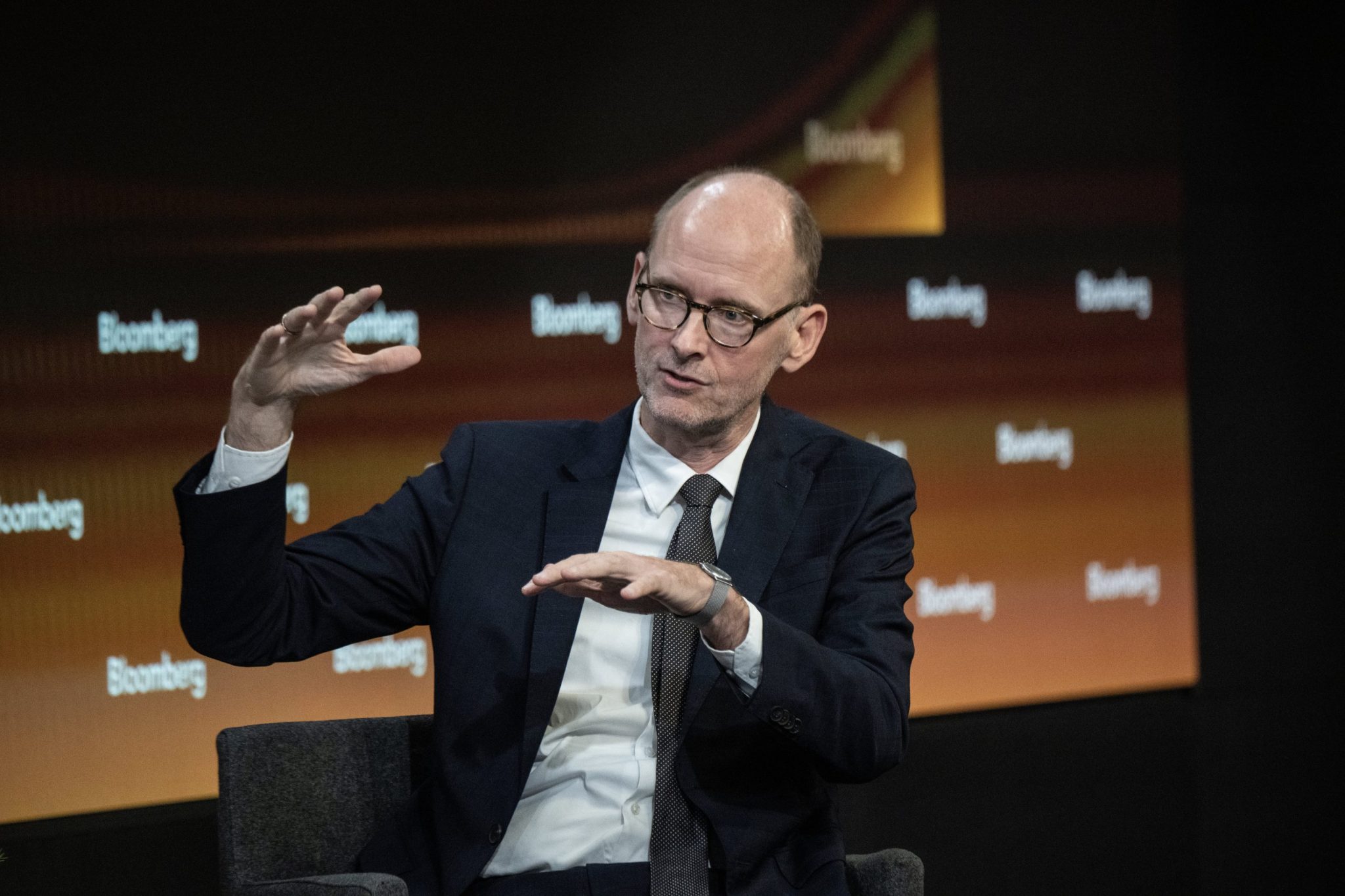
Many experts are skeptical about the benefits of this change. J. Eric Johnson, a legal expert for public companies, notes that even if the formal paperwork goes away, the work behind the scenes will not. Boards of directors and audit committees still need to check the company’s books regularly to ensure everything is being handled correctly. If they stop doing this every three months, they might miss problems until they become too big to fix easily.
Accounting professors, such as Shivaram Rajgopal from Columbia Business School, argue that the savings from this change would be "trivial." He believes that most large, successful companies will continue to report every three months anyway because their investors will demand it. He compares the situation to hiring an employee and paying them 25 years of salary upfront. In that case, you would want to check on their work more than just once every six months. Similarly, investors who pay high prices for stocks want to know exactly how the company is performing as often as possible.
What This Means Going Forward
If the SEC moves forward with this plan, the stock market could become more unpredictable. When companies wait six months to share news, a small problem that started in the first three months could grow into a massive disaster by the time it is reported. For example, a 5% drop in sales over one quarter might not scare investors, but a 10% drop over two quarters could cause a panic. This could lead to sharper swings in stock prices and more "surprises" for the average person who owns stocks.
Smaller companies might also face higher risks of insider trading. If the public only gets news twice a year, people inside the company who see the daily numbers have a much bigger advantage. This could hurt the trust that everyday investors have in the fairness of the market.
Final Take
While the SEC wants to make life easier for corporations, the move to semiannual reporting could come at a high cost to transparency. The current quarterly system provides a steady heartbeat for the financial world. Removing that rhythm might save some administrative effort, but it risks creating a more volatile and less informed market for everyone involved. Investors and CFOs alike will need to watch closely as this proposal moves toward a final decision this spring.
Frequently Asked Questions
Why does the SEC want to change the reporting rules?
The goal is to reduce the costs and time companies spend on paperwork. It is also intended to make it more attractive for companies to stay public or for new companies to join the stock market.
Will all companies stop reporting every three months?
Probably not. Experts believe that large, well-known companies will continue to report quarterly because their investors expect frequent updates. Smaller companies are more likely to make the switch.
How could this affect my stock investments?
If a company you own only reports twice a year, you might see bigger jumps or drops in the stock price when news is finally released. There is a higher chance of being surprised by bad news that has been building up for months.