
Summary
The Madras High Court has ruled that the Chennai police have the freedom to arrest YouTuber 'Savukku' Shankar if it is necessary for their investigation. This decision comes after the court looked into claims made by his family regarding his treatment while in custody. The judges stated that the police are not blocked from taking legal action against him in pending cases. This ruling is a major development in the ongoing legal disputes between the social media critic and the state government.
Main Impact
The main impact of this court order is that it removes any confusion about whether the police can take Shankar into custody. Previously, there were questions about his legal protection while he was out on bail for other matters. Now, the police have a clear path to move forward with their cases. This decision also sends a message that the court will not allow legal claims to be used as a way to avoid the normal process of the law. It ensures that the investigation into various charges against him can continue without extra hurdles.
Key Details
What Happened
A bench consisting of Justice P. Velmurugan and Justice M. Jothiraman heard the matter. The court was reviewing a petition related to Shankar’s detention and the conditions he faced. During the hearing, the judges made it clear that the Chennai police are "at liberty" to arrest him. This means the police can decide to arrest him based on the evidence they have in their files. The court also addressed a specific complaint made by Shankar’s mother about how he was treated in prison.
Important Numbers and Facts
Shankar has been facing a large number of cases across different districts in Tamil Nadu. Some reports suggest there are more than 15 cases filed against him. These cases include charges of defamation, making improper comments about women police officers, and other public order issues. Earlier, he was held under the Goondas Act, a strict law used for repeat offenders, but that detention was later set aside by the court. The current ruling focuses on the fact that even if he received temporary relief in one case, it does not stop the police from acting on other valid complaints.
Background and Context
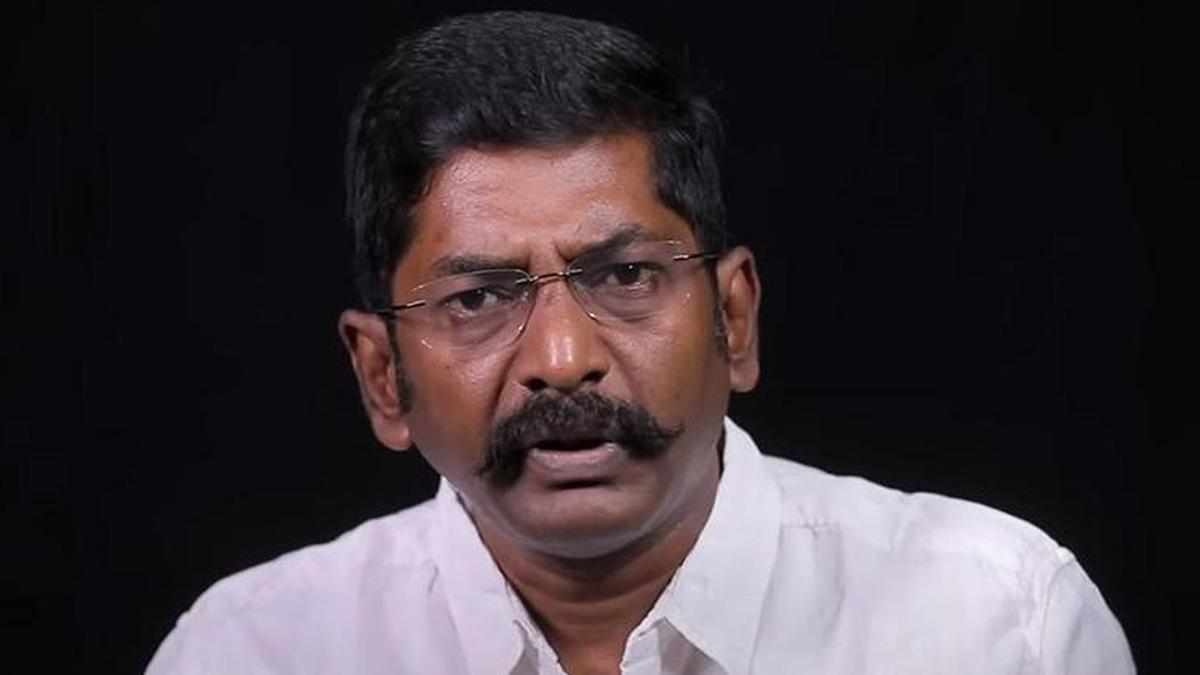
A. Shankar, popularly known as 'Savukku' Shankar, is a former government employee who became a well-known YouTuber and whistleblower. He is famous for his sharp criticism of politicians, government officials, and the police. While he has a large following online, his comments have often led to legal trouble. He has been arrested multiple times over the last few years for his videos and interviews.
The situation became more complex when his mother filed a petition in court. She claimed that her son was being kept in solitary confinement, which means being locked in a cell alone without any contact with other people. She argued that this was a violation of his rights. However, the High Court looked at the facts and decided that these claims were not entirely accurate. The judges suggested that these allegations were made mainly to help him avoid being processed by the law in a normal way.
Public or Industry Reaction
The reaction to this news has been divided. Supporters of Shankar argue that the many cases against him are an attempt to silence a critic of the government. They believe that the frequent arrests are a way to keep him in jail for as long as possible. On the other hand, many police officials and members of the public feel that his comments, especially those regarding women in the police force, went too far. They argue that freedom of speech does not give someone the right to insult or harass others. Legal experts note that the court is trying to balance the rights of the individual with the power of the state to maintain order.
What This Means Going Forward
Going forward, the Chennai police are likely to act quickly. They may bring Shankar in for questioning or formal arrest in cases that are still being investigated. For Shankar, this means his legal team will have to work hard to apply for bail in every new case that comes up. This "cycle of arrests" is a common challenge for people facing multiple charges. The court's decision makes it clear that while they will protect a person's rights, they will not stop the police from doing their job if there is a legal reason to do so. We can expect more court hearings as each individual case moves through the legal system.
Final Take
The Madras High Court has reinforced the idea that the law must follow its own path. By allowing the police to proceed with arrests if needed, the court is ensuring that investigations are not stalled by side issues. While the claims of mistreatment were noted, the priority remains the completion of the legal process. This case continues to be a major example of the tension between social media activism and the legal boundaries set by the state.
Frequently Asked Questions
Who is 'Savukku' Shankar?
He is a popular YouTuber and social media critic in Tamil Nadu who often speaks out against the government and the police department.
Why did the court say the police can arrest him?
The court clarified that the police have the legal right to arrest him for any pending or new cases if their investigation requires it, as long as they follow the law.
What was the claim about solitary confinement?
Shankar’s mother claimed he was kept alone in a cell to mistreat him, but the court felt this claim was used as a tactic to delay or avoid legal proceedings.



