
Summary
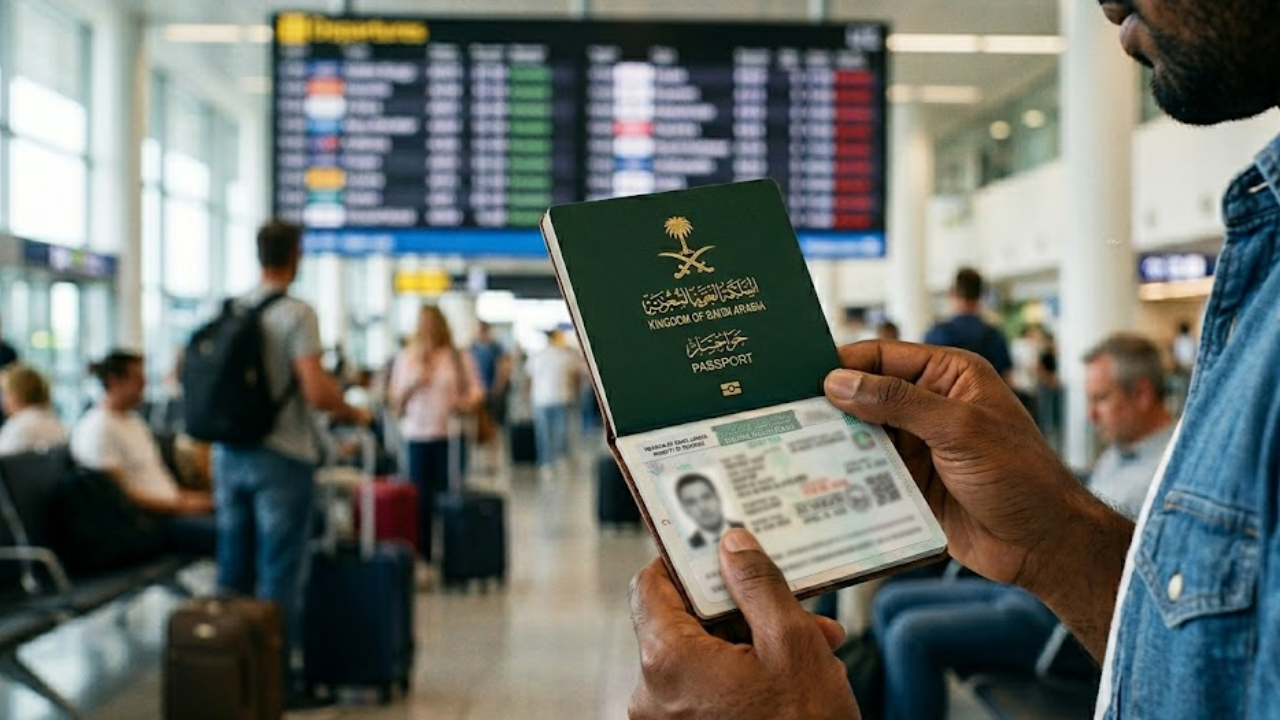
Saudi Arabia has announced new visa rules to help foreign tourists who are currently stuck in the country. This decision comes as a direct response to the growing conflict between Iran, the United States, and Israel, which has caused many flights to be canceled. Travelers who cannot leave because of these travel disruptions can now extend their stay or leave the country without paying expensive overstay fines. This move is designed to protect visitors from legal trouble caused by events they cannot control.
Main Impact
The biggest impact of this update is the removal of financial pressure on thousands of visitors. Normally, staying in Saudi Arabia past a visa's expiration date leads to heavy daily fines and potential bans on future entry. By waiving these penalties, the Saudi government is making sure that tourists are not punished for the regional security crisis. This policy also helps clear up confusion at airports and government offices, as officials now have clear instructions on how to handle stranded travelers.
Key Details
What Happened
The Saudi Ministry of Interior and the General Directorate of Passports, also known as Jawazat, issued a statement regarding the emergency visa changes. As the military situation in the region worsened, several airlines stopped flying over certain areas. This left many people with expired or expiring visas and no way to get home. To fix this, the government has opened up special channels for tourists to update their legal status. These rules apply to people on tourist visas, family visit visas, and even those just passing through on transit visas.
Important Numbers and Facts
Under the new rules, tourists can apply for extensions through official government websites like the Absher platform. In the past, overstaying a visa could cost a traveler thousands of riyals. Now, those who can prove their flights were canceled due to the conflict will have those fees removed. The government has also instructed airport staff to allow "fine-free" exits for people whose travel plans were ruined by the recent airspace closures. While the exact length of the extension depends on the individual case, most travelers are being given enough time to wait for the next available flight out of the country.
Background and Context
The Middle East is currently facing a very tense situation involving several countries. Military actions between Iran and Israel, along with the involvement of the United States, have made the skies unsafe for commercial planes in certain zones. Because Saudi Arabia is a major center for international travel and religious visits, it often has millions of foreigners inside its borders at any given time. When airspaces in neighboring countries close, it creates a chain reaction that stops planes from taking off or landing in Saudi cities like Riyadh and Jeddah. This is why the government had to step in and change the rules quickly.
Public or Industry Reaction
Travel experts and foreign embassies have reacted positively to these changes. Many embassies had been receiving hundreds of calls from worried citizens who were afraid of being arrested or fined for staying too long. Travel agencies have also noted that this makes it much easier to rebook flights, as they no longer have to worry about their clients being held up at passport control. Most people see this as a helpful and kind move by the Saudi government during a very difficult time for the region.
What This Means Going Forward
In the coming weeks, travelers should keep a close eye on their flight status and government announcements. While the fines are being waived for now, this is a temporary measure. Once the conflict settles and flights return to normal, the standard visa rules will likely return. Travelers are encouraged to use the Absher app to keep their documents up to date. It is also important for visitors to stay in touch with their own country’s embassy in Saudi Arabia to get the latest safety advice and travel help.
Final Take
Saudi Arabia’s decision to help stranded tourists shows that the country is committed to being a safe and fair place for visitors. By removing the fear of fines and legal problems, the government is helping people focus on their safety rather than paperwork. This flexible approach is a vital step in managing the human side of a regional crisis and ensures that tourism remains a priority for the Kingdom, even during uncertain times.
Frequently Asked Questions
Do I have to pay to extend my visa if my flight was canceled?
Under the new emergency rules, the government is waiving overstay fines for those affected by the conflict. However, you should check the Absher platform to see if there are small processing fees for the extension itself.
Which types of visas are covered by this update?
The update generally covers tourist visas, family visit visas, and transit visas. If you are in the country for work or on a long-term residency, you should contact your employer or the Ministry of Labor for specific guidance.
How do I apply for a fine-free exit?
You should visit the General Directorate of Passports (Jawazat) office or use the Absher portal. You will likely need to show proof that your original flight was canceled or that the airline is not currently flying to your destination.

