
Summary
A court in Madurai has delivered a landmark judgment in the Sattankulam custodial torture case. Nine police officers were found guilty of the murder of a father and son, Jayaraj and Benicks, and have been sentenced to death. This ruling marks a significant moment for justice in India, addressing a case that shocked the nation due to the extreme brutality involved. The decision highlights that no one, including law enforcement officers, is above the law when it comes to human rights violations.
Main Impact
The primary impact of this verdict is the strong message it sends to the police force across the country. By awarding the death penalty to nine officers, the court has shown that custodial torture will be met with the strictest possible punishment. For the families of the victims, this brings an end to a long and painful legal battle. It also restores some public trust in the judicial system, proving that even powerful officials can be held accountable for their actions.
Key Details
What Happened
The incident took place in June 2020 in the town of Sattankulam, Tamil Nadu. P. Jayaraj and his son J. Benicks were taken into police custody for allegedly keeping their mobile phone shop open 15 minutes past the COVID-19 lockdown curfew. While in the police station, they were subjected to hours of physical abuse and torture. The injuries they suffered were so severe that both men died within days of each other while in a hospital. The police initially tried to cover up the incident by claiming the two men were aggressive, but a deep investigation proved otherwise.
Important Numbers and Facts
The Central Bureau of Investigation (CBI) took over the case after a massive public outcry. Their probe debunked the original police story, showing that the father and son did not resist arrest. The court trial lasted several years, involving testimony from many witnesses and medical experts. In the end, the Madurai First Additional District and Sessions judge found nine policemen directly responsible for the deaths. The sentencing of nine officers to death in a single case is considered a rare and historic move in the Indian legal system.
Background and Context
This case matters because custodial deaths are a recurring problem that often goes unpunished. In many instances, police officers use their positions to hide evidence or influence witnesses. The Sattankulam case became a national symbol of police reform because of how clearly the abuse of power was documented. The victims were ordinary shopkeepers who were simply trying to earn a living during a difficult pandemic. The fact that they were killed over a minor curfew violation made the crime feel even more senseless and cruel to the general public.
Public or Industry Reaction
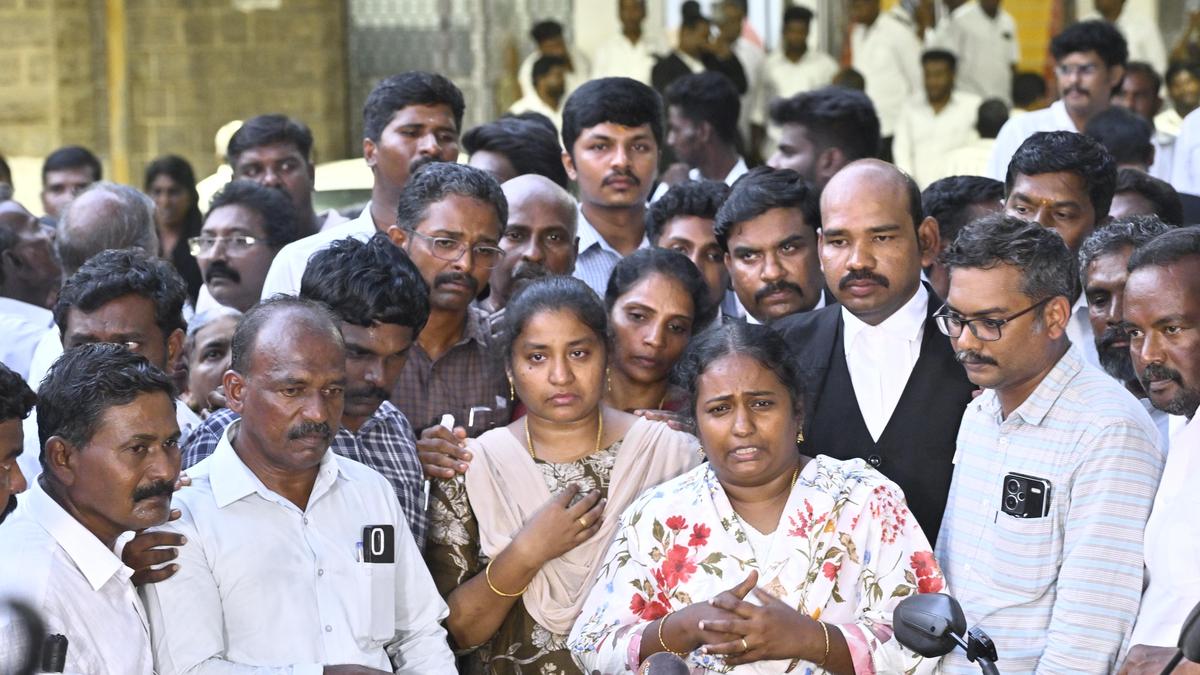
Human rights activists and the families of Jayaraj and Benicks have welcomed the verdict with a sense of relief. Many people in Sattankulam and across Tamil Nadu celebrated the news, stating that justice has finally been served. Legal experts have noted that the "bone-chilling" details of the torture required a strong response from the court to prevent such incidents in the future. While some debate the use of the death penalty, the general consensus is that the severity of the crime justified the harshest possible sentence.
What This Means Going Forward
Moving forward, this case will likely be used as a reference in future trials involving police misconduct. It puts pressure on state governments to implement better monitoring systems in police stations, such as working CCTV cameras and stricter oversight. There is also a renewed call for India to pass stronger laws against torture to ensure that such tragedies do not happen again. The legal system has shown it can correct deep injustices, but the focus must now shift to preventing these crimes before they occur.
Final Take
The judgment in the Sattankulam case is a victory for the truth. It proves that the law can reach those who think they are protected by their uniforms. While the lives of Jayaraj and Benicks cannot be brought back, the court has ensured that their deaths were not in vain. This ruling stands as a warning that the duty of the police is to protect citizens, not to harm them under the cover of authority.
Frequently Asked Questions
Why were Jayaraj and Benicks arrested?
They were arrested for allegedly keeping their shop open for 15 minutes past the COVID-19 curfew. However, investigations later showed that the police claims about their behavior during the arrest were false.
What was the final sentence for the police officers?
Nine police officers involved in the torture and murder were found guilty and sentenced to death by the Madurai court.
Who investigated the Sattankulam case?
The case was investigated by the Central Bureau of Investigation (CBI) after the local police were accused of trying to hide the facts of the incident.



