
Summary
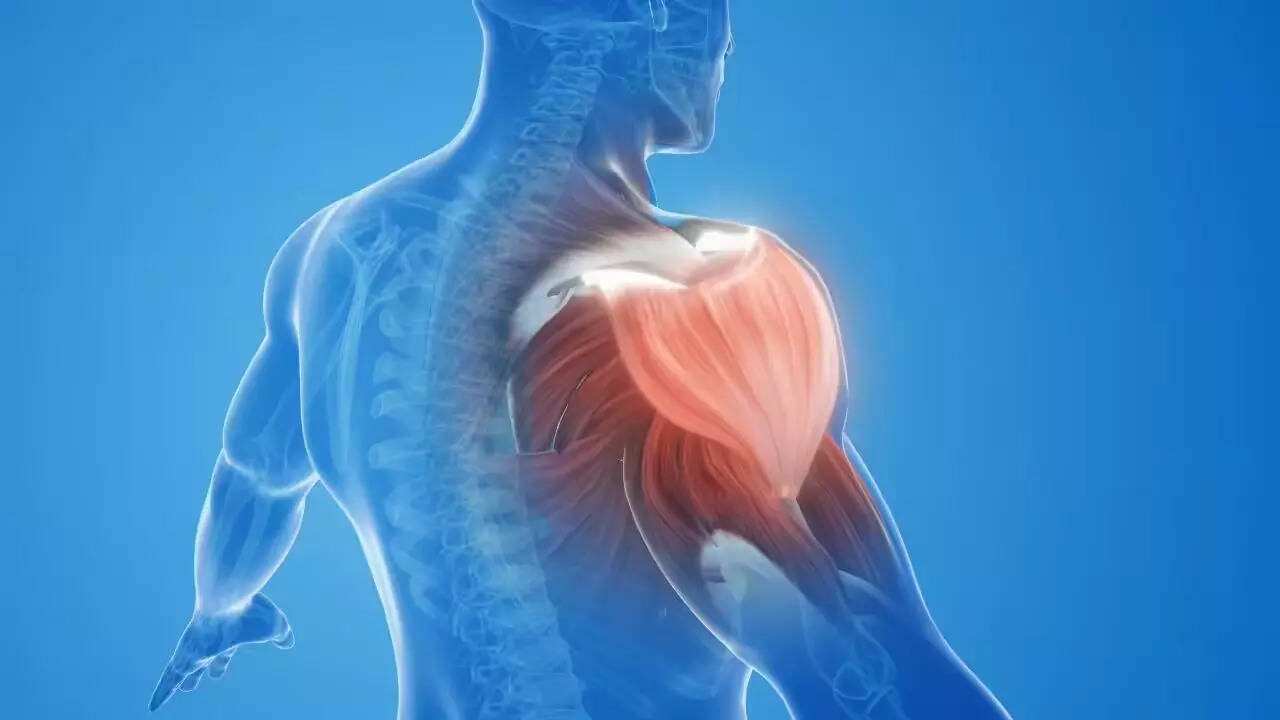
As people get older, they often experience a hidden health problem called sarcopenia, which is the loss of muscle mass and strength. In India, medical experts have recently released new guidelines to help identify and treat this condition before it leads to serious injuries. This issue is particularly important for the Indian population, where diet and lifestyle habits can make muscle loss happen faster. By following these new standards, doctors hope to help seniors stay active, avoid falls, and maintain their independence for a longer time.
Main Impact
The release of these guidelines marks a major shift in how elderly care is handled in India. For a long time, becoming weak or slow was seen as a natural part of getting old that could not be changed. However, health experts now recognize that muscle loss is a medical condition that can be managed or even reversed. The main impact of this development is that it gives families and doctors a clear way to measure health beyond just looking at body weight. It focuses on physical function, which is the key to living a high-quality life in later years.
Key Details
What Happened
A group of Indian health experts and researchers studied the specific needs of the local population to create these new health rules. They found that many older adults in India suffer from "thin-fat" syndrome, where a person might look thin but actually has very little muscle and a high amount of body fat. The new guidelines provide specific tests that can be done in a clinic. These tests check how strong a person’s grip is and how well they can perform basic movements like walking or standing up from a chair. If a person fails these tests, they are diagnosed with sarcopenia and given a plan to improve their strength.
Important Numbers and Facts
Muscle loss usually begins slowly after the age of 40, but the speed of loss increases significantly after a person reaches 60. According to health data, a large number of Indian seniors do not get enough protein, which is the main building block for muscle. The guidelines recommend that older adults at risk should aim for 1.2 to 1.5 grams of protein for every kilogram they weigh. For example, a person weighing 60 kilograms should try to eat between 72 and 90 grams of protein every day. Additionally, the experts suggest doing strength-building exercises at least two or three times a week to keep muscles active.
Background and Context
In India, several factors contribute to early muscle loss. Many people follow a strictly vegetarian diet that is often high in carbohydrates like rice and bread but low in protein sources like lentils, dairy, or soy. Without enough protein, the body cannot repair or maintain muscle fibers. Furthermore, there is a cultural idea that older people should rest and avoid physical work. This lack of movement causes muscles to shrink even faster. When muscles become weak, the risk of falling increases. For an elderly person, a single fall can lead to a broken hip or other fractures that are very difficult to recover from. These new guidelines aim to break this cycle by encouraging better nutrition and more movement.
Public or Industry Reaction
Doctors and fitness experts have reacted positively to these new standards. Many physicians have noted that they often see patients who are losing weight but are actually losing muscle instead of fat, which is dangerous. Nutritionists are also using these guidelines to educate the public about the importance of "quality" calories. Instead of just eating more food, they are teaching people how to choose foods that support muscle growth. There is a growing movement in the healthcare industry to move away from only treating diseases and instead focus on "preventive care," which means keeping the body strong so that diseases do not happen in the first place.
What This Means Going Forward
Going forward, the focus for aging adults will be on "functional fitness." This means being strong enough to carry groceries, climb stairs, and walk without help. Families are encouraged to watch for early warning signs, such as a loved one walking much slower than they used to or having trouble opening jars. In the future, we may see more community programs and exercise classes specifically designed for seniors to help them build muscle safely. The goal is to change the way we think about aging so that getting older does not automatically mean becoming frail or losing the ability to move freely.
Final Take
Muscle health is the foundation of a long and healthy life. While getting older is unavoidable, losing the strength to move is something we can fight against. By paying attention to protein intake and staying physically active, people can protect their bodies from the risks of sarcopenia. These new guidelines are a vital tool that will help millions of people stay strong and independent as they age.
Frequently Asked Questions
What is sarcopenia?
Sarcopenia is a condition where a person loses muscle mass and strength as they get older. It can make it hard to perform daily tasks and increases the risk of falls and injuries.
How can I tell if I am losing muscle?
Common signs include feeling weaker than usual, walking more slowly, having trouble getting out of a chair, or finding it difficult to lift objects that used to be easy to carry.
Can muscle loss be stopped?
Yes, in many cases, muscle loss can be slowed down or even improved. The best ways to do this are by eating enough protein-rich foods and doing regular strength exercises like lifting weights or using resistance bands.



