
Summary
Syed Altamash Nizami, a descendant of the famous Chishti-Nizami Sufi line, has shared his views on the ongoing Sabarimala legal case. He argues that religious places must follow strict rules and traditions to prevent total confusion or "anarchy." Nizami believes that the faith of a true follower should not be ignored just to satisfy the curiosity of tourists or outsiders. His statement highlights the tension between modern legal rights and ancient religious customs in India.
Main Impact
The main impact of this statement is that it brings a voice from a different religious background into a debate that mostly focuses on Hindu traditions. By speaking out, Nizami suggests that many religious leaders, regardless of their specific faith, believe that sacred spaces should have the power to set their own rules. This could influence how the court looks at the rights of religious institutions versus the rights of individual citizens. If the court decides that rules in one religion are invalid, it might set a precedent that affects mosques, churches, and shrines across the country.
Key Details
What Happened
Syed Altamash Nizami recently expressed his concerns regarding the legal challenges facing the Sabarimala temple. He stated that every place of worship has its own set of norms that have been followed for a very long time. According to him, these norms are what keep the spiritual environment of a place intact. He argued that allowing anyone to enter the most sacred inner parts of a shrine, known as the sanctum sanctorum, without following the established rules would lead to a breakdown of order. He specifically mentioned that "third-party interlopers"—people who are not part of the faith or the tradition—should not be able to force their way into these spaces.
Important Numbers and Facts
The Sabarimala case has been a major topic in the Indian legal system for several years. In 2018, a landmark ruling allowed women of all ages to enter the temple, which had previously restricted women of a certain age group. This led to many petitions for a review of the decision. Nizami’s family lineage is connected to the Dargah of Nizamuddin Auliya, one of the most respected Sufi shrines in India. His involvement shows that the outcome of the Sabarimala case is being watched closely by leaders of various faiths who worry about the government or courts interfering in their own religious practices.
Background and Context
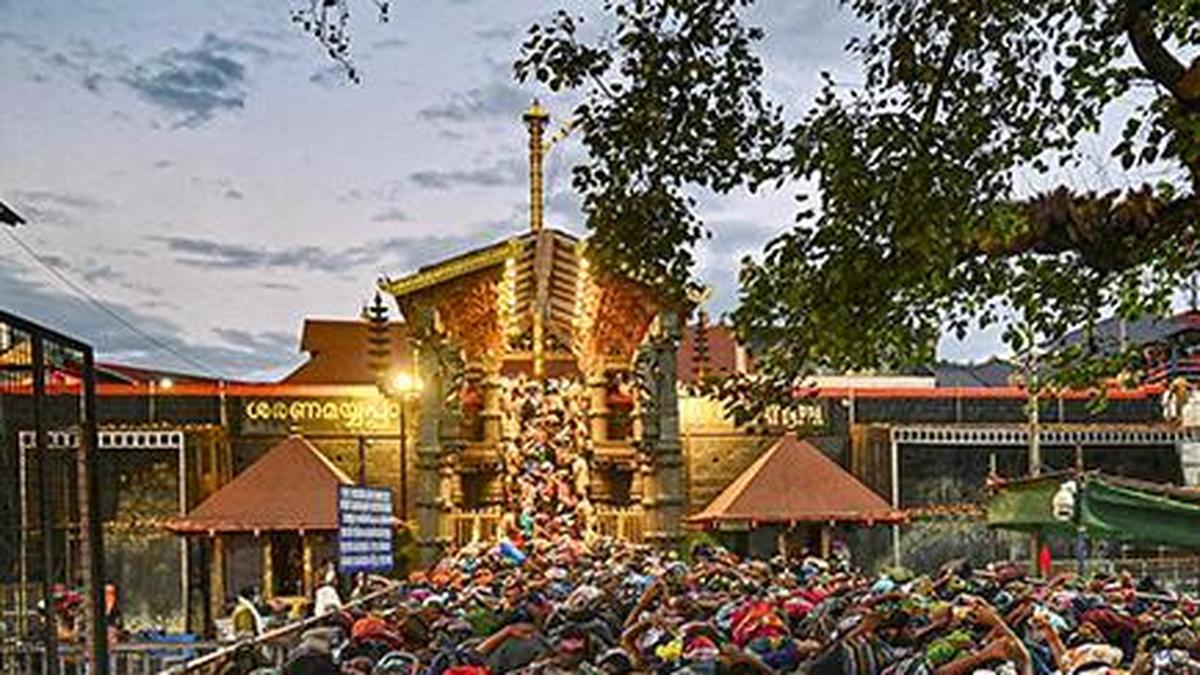
The Sabarimala temple in Kerala is dedicated to Lord Ayyappa. For centuries, the temple has followed a tradition where women between the ages of 10 and 50 are not allowed to enter. The reason given by the temple authorities is that the deity is a "Naishtika Brahmachari," or a person who has taken a vow of strict celibacy. In modern times, activists argued that this rule was unfair and went against the right to equality guaranteed by the constitution. This created a massive debate: does the law of the land come first, or do the ancient traditions of a religion come first? This is why Nizami’s comments are so important; he is arguing that religious traditions are a form of law themselves for the people who believe in them.
Public or Industry Reaction
The reaction to Nizami’s statement has been mixed. Many traditionalists and religious groups have welcomed his support. They feel that his perspective as a Sufi leader proves that the desire to protect sacred traditions is universal. They argue that a temple or a mosque is not a public park where anyone can go anywhere they want. On the other hand, social activists and legal experts who support the 2018 ruling argue that no tradition should be allowed to discriminate against people based on their gender. They believe that the constitution must protect the rights of every individual, even inside a religious place.
What This Means Going Forward
Going forward, the Supreme Court of India has to decide on the "Essential Religious Practices" doctrine. This is a legal test used to figure out which parts of a religion are so important that the government cannot change them. Nizami’s warning about "anarchy" suggests that if the courts start changing religious rules too often, it could lead to social unrest or a loss of faith in the legal system. The court will have to find a very careful balance. They must protect individual rights without destroying the unique traditions that make these religious sites special to millions of people.
Final Take
The comments from Syed Altamash Nizami remind us that the Sabarimala case is about more than just one temple. It is a fundamental question about who gets to decide the rules for sacred spaces. While modern society values equality and open access, religious communities value tradition and specific spiritual laws. Finding a middle ground between these two views is one of the biggest challenges facing the legal system today. Without clear rules, as Nizami warns, the very nature of these places of worship could be changed forever.
Frequently Asked Questions
Who is Syed Altamash Nizami?
He is a descendant of the Chishti-Nizami Sufi order, which is a well-known and respected spiritual lineage in India, closely associated with the Nizamuddin Dargah in Delhi.
What is the "sanctum sanctorum"?
This is a Latin term used to describe the "holy of holies" or the most sacred inner room of a temple or shrine where the main deity or relic is kept.
Why did he use the word "anarchy"?
He used this word to describe a situation where there are no rules or order. He believes that if anyone can enter a sacred space without following traditions, the spiritual purpose and discipline of that place will be destroyed.



