
Summary
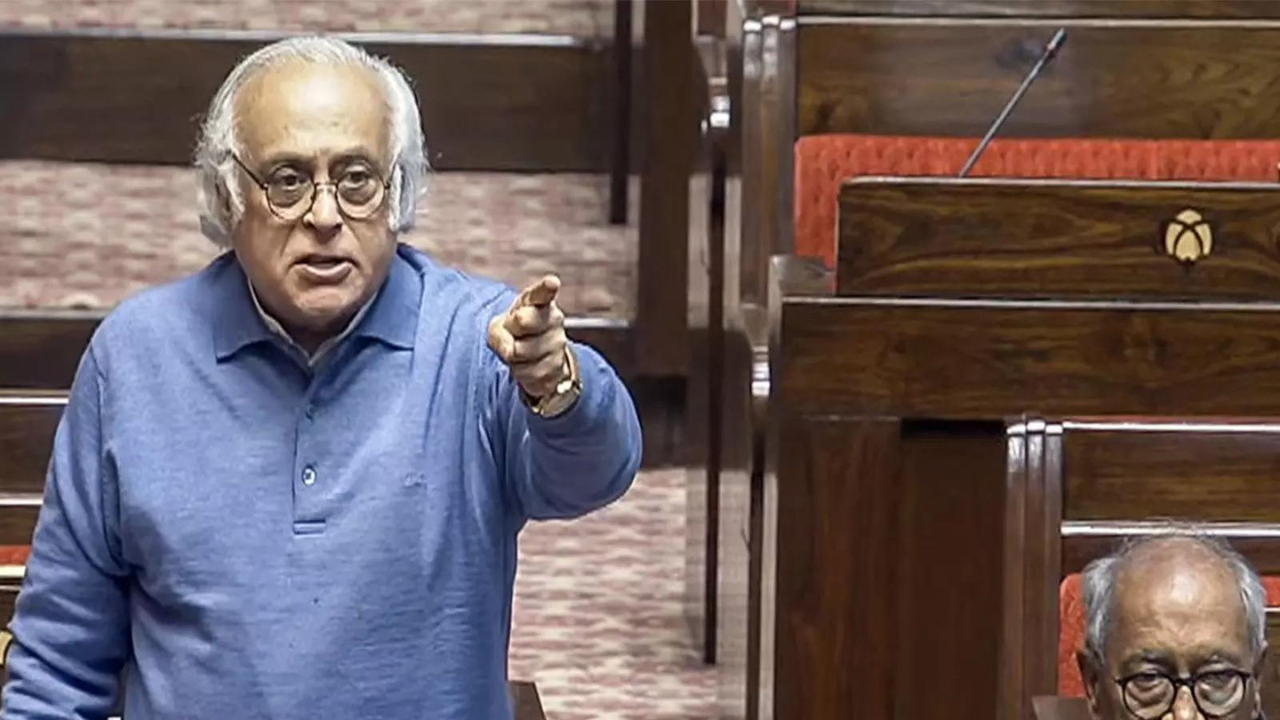
The Congress party has launched a sharp attack on the Central government following a decision by the United States to grant India a waiver for buying Russian oil. This move comes at a time when the conflict involving Iran has created fresh tension in the global energy market. Congress leaders are questioning the government's foreign policy, using the phrase "Kab tak chalega blackmail?" to suggest that India is being pressured by international powers while trying to manage its fuel needs.
Main Impact
The primary impact of this development is the ongoing political debate over India’s "strategic autonomy." By accepting a waiver from the U.S. to buy oil from Russia, India is walking a thin line between two global rivals. While the waiver ensures that oil prices in India remain relatively stable during the Iran war, the opposition argues that it shows a lack of independent decision-making. This situation affects how India is viewed on the world stage and how it manages its internal economy during times of international crisis.
Key Details
What Happened
The United States government recently provided a legal exception, known as a waiver, that allows India to continue importing crude oil from Russia. Usually, countries buying Russian goods face penalties or sanctions from the West due to the ongoing war in Ukraine. However, with the new conflict involving Iran, the global supply of oil is at risk. To prevent a massive spike in fuel prices, the U.S. has allowed India to keep its trade links with Russia open for now.
Important Numbers and Facts
Since early 2022, India has significantly increased its intake of Russian oil. Before the Ukraine conflict, Russia supplied less than 2% of India's total oil imports. In recent months, that number has climbed to over 35%, making Russia one of India's largest suppliers. The waiver is crucial because India imports more than 80% of its total oil needs. Any disruption in supply or a sudden increase in price could lead to high inflation across the country, affecting everything from transport costs to the price of food.
Background and Context
This topic matters because energy is the backbone of the Indian economy. When the war in Ukraine started, the U.S. and Europe asked many countries to stop trading with Russia to cut off its funding. India refused, stating that its first duty was to provide affordable fuel to its own citizens. Now, with a new war involving Iran, the situation has become even more complicated. Iran is a major player in the Middle East, and any war there threatens the shipping routes through which much of the world's oil travels. The U.S. waiver is a tool to keep the global market from panicking, but it also gives the U.S. significant influence over which countries can buy from whom.
Public or Industry Reaction
The Congress party has been very vocal in its criticism. They claim that the government is not being honest with the public about the terms of these international agreements. By asking "How long will this blackmail continue?", they are suggesting that the U.S. is using these waivers to control India's choices. On the other hand, industry experts and many economists believe the government is doing the right thing. They argue that without Russian oil, petrol and diesel prices in India would be much higher than they are today. Supporters of the government say that securing the waiver is a win for Indian diplomacy, as it allows the country to look after its own interests without breaking international ties.
What This Means Going Forward
Looking ahead, India faces a difficult path. If the war involving Iran gets worse, the price of oil will likely go up regardless of where it comes from. India will have to continue negotiating with both the U.S. and Russia to ensure its energy supply remains steady. There is also the risk that the U.S. could withdraw the waiver at any time if they feel India is not following certain international expectations. This creates a sense of uncertainty for Indian oil companies and the broader economy. The government will need to find ways to diversify its energy sources even further to avoid being dependent on these types of permissions in the future.
Final Take
The current dispute between the Congress and the government highlights a major challenge: how to keep a country running while the rest of the world is at war. While the U.S. waiver provides short-term relief for Indian consumers, it also opens the door for political attacks regarding the country's independence. The real test will be whether India can maintain these low prices if global tensions continue to rise, or if the political pressure from both inside and outside the country becomes too much to handle.
Frequently Asked Questions
Why does India need a waiver from the U.S. to buy Russian oil?
The U.S. has placed sanctions on Russia. Normally, any country that trades with a sanctioned nation can also face penalties. A waiver is a special permission that lets India buy the oil without being punished by the U.S. financial system.
How does the war in Iran affect oil prices in India?
Iran is located near major sea routes used for shipping oil. If a war happens there, it can block these routes or stop production, leading to a shortage of oil worldwide. When there is less oil available, the price goes up for everyone, including India.
What is the Congress party's main complaint?
The Congress party believes the government is becoming too dependent on the decisions of foreign powers like the U.S. They argue that India should not have to rely on "waivers" or "blackmail" to conduct its own trade and should have a more independent foreign policy.



