
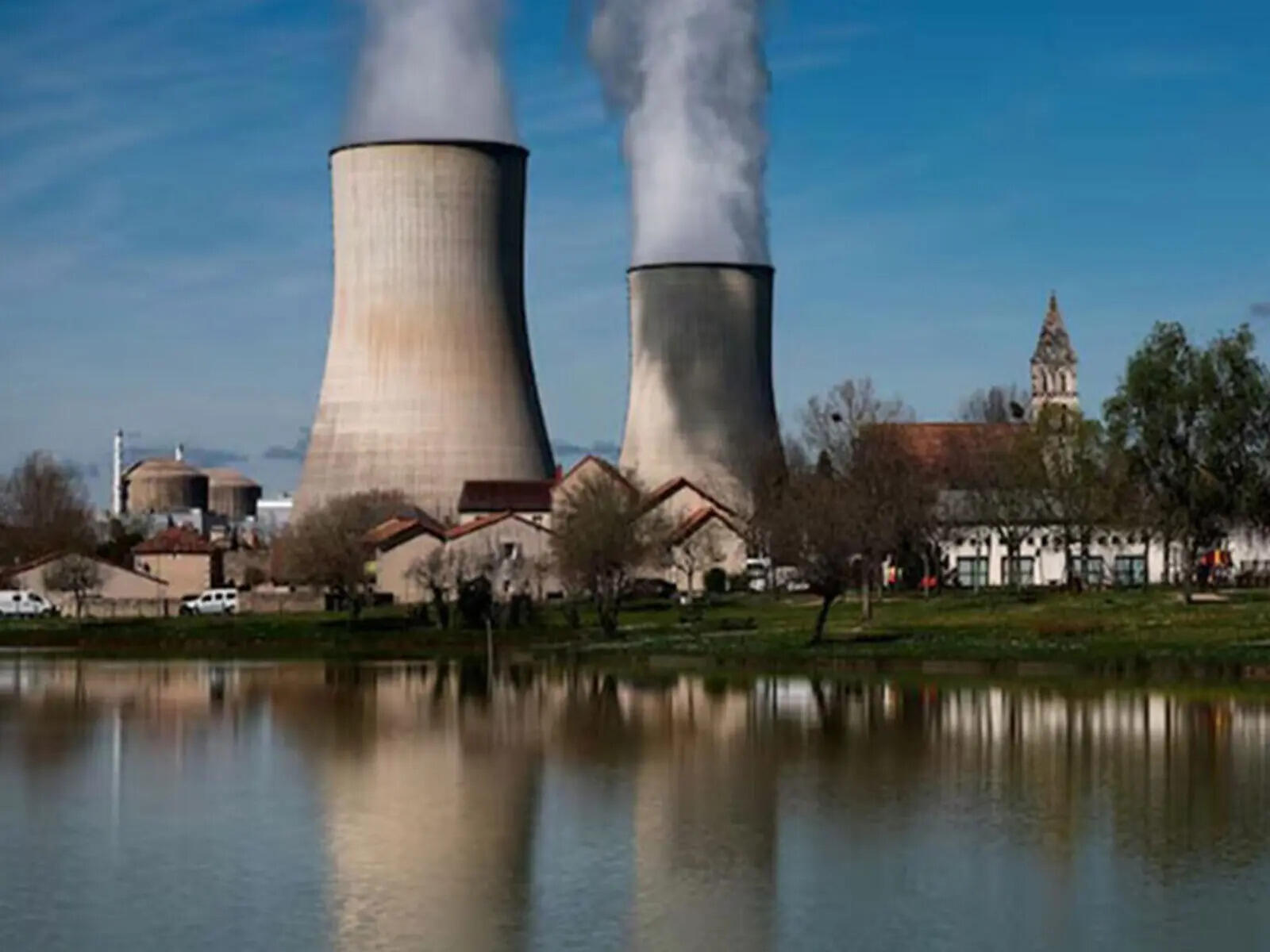
Summary
Bangladesh has reached a major milestone in its energy history by starting the fuel loading process at its first nuclear power plant. The Rooppur Nuclear Power Plant, located in the Pabna district, is now moving into its final stages of preparation. This step officially makes Bangladesh the 33rd country in the world to join the group of nations using nuclear energy for peaceful purposes. By introducing nuclear power, the country aims to provide a steady and reliable source of electricity to support its growing economy and millions of citizens.
Main Impact
The start of fuel loading at the Rooppur plant will have a massive effect on the national power grid. For a long time, Bangladesh has struggled with power cuts and a high reliance on expensive imported fuels like oil and gas. This new facility will provide a massive amount of clean energy that does not depend on weather conditions, unlike solar or wind power. It will help stabilize electricity prices and ensure that factories and homes have power around the clock. This shift is expected to boost industrial growth and improve the daily lives of people across the country.
Key Details
What Happened
The process involves placing uranium fuel rods into the heart of the first reactor unit. This is a highly technical and careful operation led by experts from Russia and Bangladesh. Loading the fuel is the final step before the reactor can be started for testing. Once the fuel is inside, engineers will conduct several safety checks to make sure everything is working perfectly. This transition from a construction site to a working power plant is a proud moment for the nation, as it shows the country can handle complex and advanced technology.
Important Numbers and Facts
The Rooppur Nuclear Power Plant is a massive project with several key figures that highlight its scale. The plant consists of two separate units, each capable of producing 1,200 megawatts of electricity. Together, they will add 2,400 megawatts to the national grid. The project is being built with the help of Rosatom, the Russian state nuclear energy corporation. The reactors used are the VVER-1200 model, which are known for having modern safety systems. These reactors are designed to work for at least 60 years, though they can often be upgraded to last even longer. The total cost of the project is estimated at around $12.65 billion, with a large portion funded through a loan from Russia.
Background and Context
The idea of having a nuclear power plant in Bangladesh is not new. It was first talked about decades ago, but the project only gained real momentum in recent years. As the population grows and more people move to cities, the demand for electricity has gone up very fast. Bangladesh has mostly relied on its own natural gas reserves, but those reserves are starting to run out. Burning coal is another option, but it causes a lot of pollution. Nuclear energy was chosen because it can produce a huge amount of power without releasing the smoke and carbon gases that cause climate change. This project is a key part of the government's plan to make the country's energy supply more diverse and secure.
Public or Industry Reaction
The reaction to the fuel loading has been mostly positive, especially among business leaders and economists. They believe that a steady power supply will make Bangladesh more attractive to foreign investors. However, there have been some concerns from the public regarding safety. People often worry about nuclear accidents or how the radioactive waste will be managed. To address these fears, the government has explained that the plant is built to withstand extreme events like major earthquakes and floods. Additionally, an agreement is in place for Russia to take back the used fuel for processing, which helps solve the problem of long-term waste storage within Bangladesh.
What This Means Going Forward
Now that the fuel is being loaded, the next few months will be focused on "physical start-up" and testing. This means the reactor will be turned on at a very low power level to make sure all systems are stable. If these tests are successful, the plant will gradually increase its power output until it can start sending electricity to the public grid. Unit 1 is expected to begin full commercial operation soon, while Unit 2 is still under construction and will follow a year or two later. The government is also looking into the possibility of building a second nuclear power plant in the southern part of the country to further strengthen the energy sector.
Final Take
The start of fuel loading at Rooppur is a clear sign that Bangladesh is entering a new era of development. It proves that the country can successfully manage one of the most complex energy technologies in the world. While the project comes with high costs and safety responsibilities, the long-term benefits of having a clean and constant power source are hard to ignore. This move will likely serve as the backbone of the country's energy strategy for the next half-century, helping to drive economic progress and improve the standard of living for everyone.
Frequently Asked Questions
Is nuclear power safe for a country like Bangladesh?
The Rooppur plant uses modern VVER-1200 reactors which include multiple safety layers. These systems are designed to shut down automatically in an emergency and can withstand natural disasters like earthquakes.
What happens to the nuclear waste?
Bangladesh has signed an agreement with Russia. Under this deal, Russia will take the spent nuclear fuel back to their country for processing and disposal, so Bangladesh does not have to store it permanently.
When will the plant start providing electricity to homes?
After the fuel is loaded, the plant must go through several months of testing. It is expected that the first unit will start contributing to the national power grid within the next year.

