
Summary
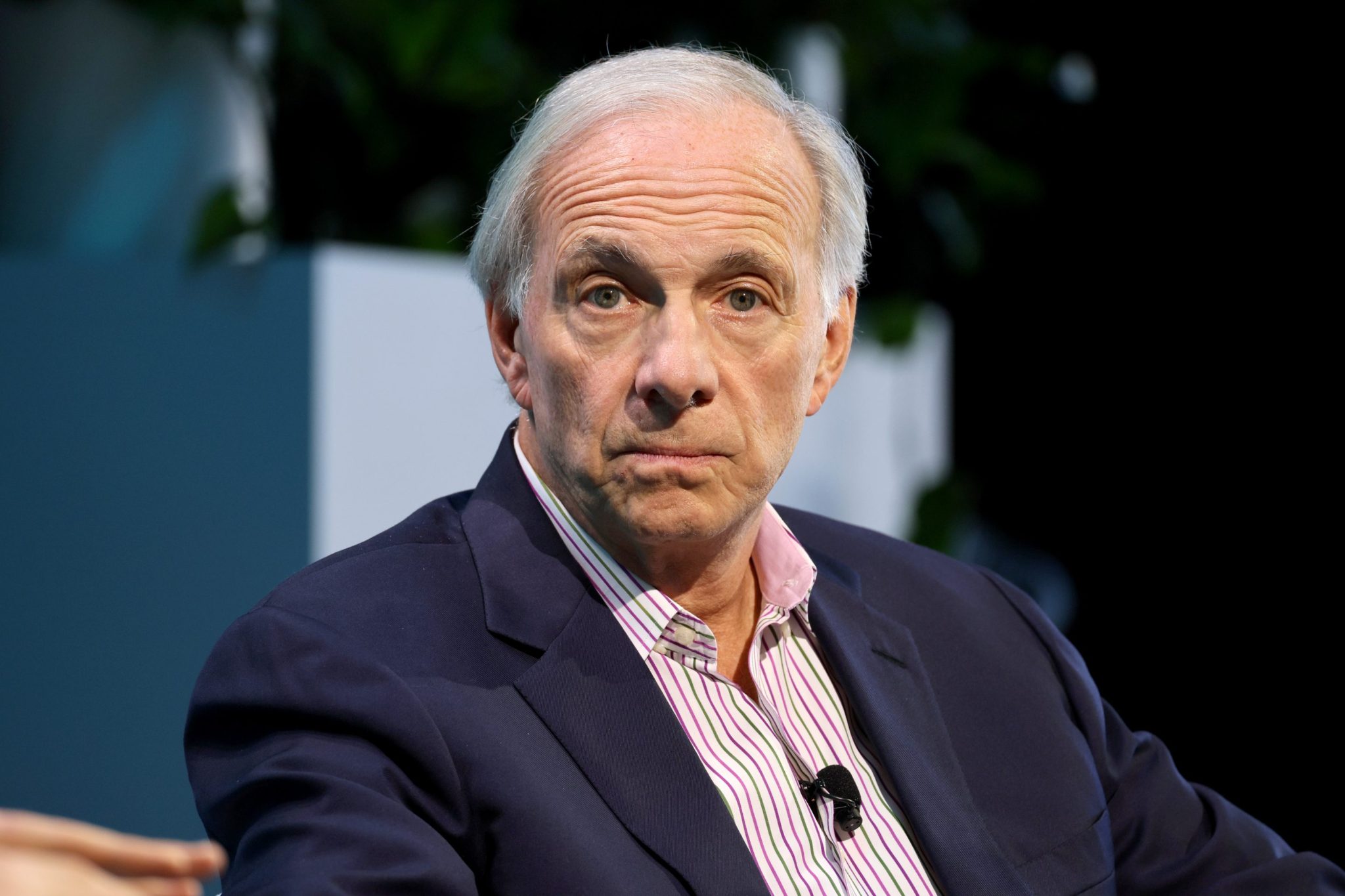
Ray Dalio, the founder of Bridgewater Associates, has issued a serious warning about the ongoing conflict in the Middle East. He believes the struggle for control over the Strait of Hormuz is a "final battle" that will decide the future of the United States as a global leader. If the U.S. cannot keep this waterway open and secure, Dalio warns it could lead to the collapse of the American empire and its financial power. This situation involves a high-stakes standoff between the U.S., Israel, and Iran over one of the world's most important trade routes.
Main Impact
The biggest impact of this conflict is on the global economy and the status of the U.S. dollar. The Strait of Hormuz is a narrow path of water where a massive amount of the world's oil travels every day. If Iran gains the power to decide who passes through, or if the U.S. is forced to back down, the world may lose faith in American strength. This could cause the U.S. dollar to lose its value and lead to a major shift in how countries trade and hold money.
Key Details
What Happened
For the past three weeks, the Strait of Hormuz has been mostly closed to international shipping. While a few ships have managed to get through, the flow of oil has slowed to a trickle. This has caused a lot of confusion and worry in global markets. President Trump has been vocal about the situation, criticizing U.S. allies for not sending military help to protect the area. He later claimed the U.S. is strong enough to handle it alone, but the situation remains stuck in a dangerous stalemate.
Important Numbers and Facts
The Strait of Hormuz is vital because about 20% of the world's daily oil supply passes through it. This makes it a "choke point" for the global economy. If the oil stops flowing, prices for gas and energy could skyrocket everywhere. There are also reports that Iran may have placed sea mines in the water. If true, this would make the area extremely dangerous for any ship to enter and would make the conflict much harder to resolve peacefully.
Background and Context
Ray Dalio compares this moment to the 1956 Suez Canal Crisis. During that time, Great Britain tried to keep control of the Suez Canal but failed. Historians often point to that failure as the moment the British Empire stopped being the world's top power. Dalio says that for 500 years, history has shown a pattern: when a leading power loses control of a major trade route, its influence fades quickly. He notes that the U.S. is already facing financial stress and high debt, which makes this challenge even more dangerous.
Public or Industry Reaction
The reaction to the crisis has been mixed. President Trump has called for a group of nations to work together to escort ships through the water, but many allies have been slow to join. Meanwhile, Iran's leaders have stated that the waterway is only open to their "friends" and closed to their "enemies." This has created a divide where some countries might try to bypass U.S. rules to keep their oil flowing. There are even reports that Iran is allowing some ships to pass if they pay using the Chinese yuan instead of the U.S. dollar, which is a direct threat to American financial systems.
What This Means Going Forward
The next few weeks will be critical. Dalio points out that Iran sees this fight as a matter of survival, while many in the U.S. see it as a political or economic issue. He warns that in a long war, the side that can handle the most pain often wins. Iran's strategy is likely to wait and see if the U.S. gets tired of the fight and leaves, similar to what happened in past conflicts like Vietnam or Afghanistan. If the U.S. cannot prove it has the power to keep the Strait open, its role as the world's leader could be permanently damaged.
Final Take
The struggle for the Strait of Hormuz is about much more than just oil prices. It is a test of who runs the world. If the U.S. succeeds in securing the area, it will show the world that it is still the dominant power. However, if it fails, the global financial system could change forever, and the era of American leadership might come to an end. Both sides are now preparing for what could be the most intense part of the conflict.
Frequently Asked Questions
Why is the Strait of Hormuz so important?
It is a narrow waterway that connects oil producers in the Middle East to the rest of the world. About one-fifth of all the oil used globally passes through this small area, making it essential for global energy prices.
What did Ray Dalio say about the U.S. empire?
Dalio warned that losing control of the Strait of Hormuz could be the "final battle" for the U.S. global order. He compared it to the fall of the British Empire and said it could lead to the U.S. dollar losing its status as the world's main currency.
How is the U.S. dollar affected by this conflict?
The U.S. dollar is currently the "reserve currency," meaning most global trade, especially oil, is done in dollars. If Iran and other countries start trading oil in different currencies like the yuan, the demand for the dollar will drop, weakening the American economy.


