
Summary
Rahul Gandhi, the Leader of the Opposition in the Lok Sabha, has strongly criticized Prime Minister Narendra Modi over a new plan to change how political seats are divided in India. Gandhi described the move as an "anti-national power grab" that could hurt the representation of various communities and states. While he supports giving women more seats in Parliament, he believes the government is using this as an excuse to change voting boundaries in an unfair way. He argues that the current plan ignores the needs of backward classes and smaller states.
Main Impact
The main issue centers on a process called delimitation, which involves redrawing the boundaries of voting districts and increasing the number of seats in Parliament. Gandhi claims this plan will lead to "hissa chori," or the stealing of the rightful share of power from specific groups. He is concerned that the government is using old data from 2011 instead of a new caste census. This could result in Other Backward Classes (OBCs), Dalits, and Adivasis losing their fair share of influence in the government. Furthermore, there are fears that states in the South and Northeast will lose their political voice compared to more populated regions.
Key Details
What Happened
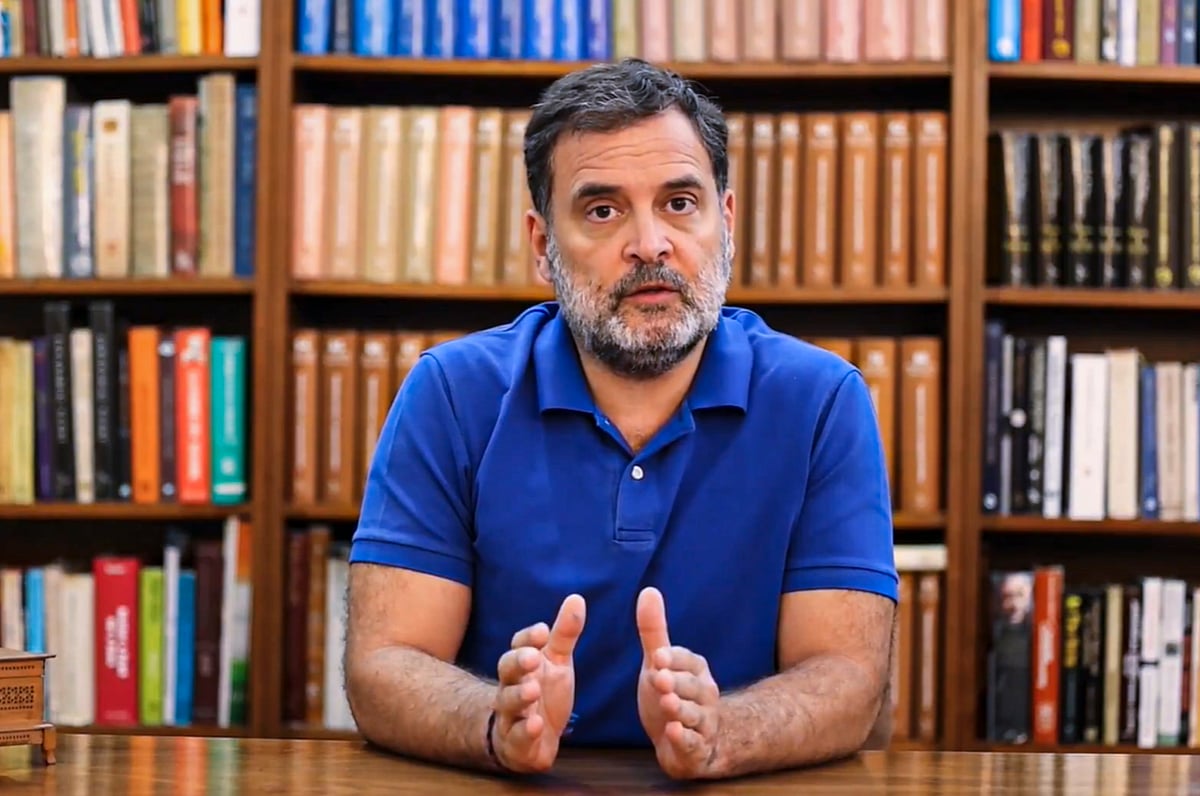
Rahul Gandhi released a video message just before a new Constitution Amendment Bill was introduced in the Lok Sabha. This bill aims to start the process of women’s reservation, which would set aside 33 percent of seats for women in Parliament and state assemblies. However, the government has linked this reservation to a fresh delimitation exercise. Gandhi and other opposition leaders argue that these two things should not be tied together. They believe the government is trying to "rig" the system to gain more control over future elections.
Important Numbers and Facts
The proposed plan includes some very large changes to the structure of the Indian government. One of the most significant figures is the increase in the number of Lok Sabha seats. Currently, there are 543 seats, but the new proposal could increase this number to 850. This change is intended to make it easier to implement the 33 percent quota for women before the 2029 general election. Gandhi pointed out that backward classes make up about 50 percent of the population, yet the government is not using updated data to ensure they are properly represented in these new seats.
Background and Context
To understand this debate, it is important to know what delimitation and the census are. A census is a massive official count of the population that happens every ten years. Delimitation is the process of deciding how many members of Parliament each area gets based on that population count. Usually, areas with more people get more seats. The problem is that some states have controlled their population growth better than others. If seats are divided strictly by population, states that have grown very fast will get much more power, while states that have worked on population control, like those in the South, will lose power. Gandhi is also pushing for a "caste census," which would count people based on their social groups to ensure that government benefits and political seats are shared fairly.
Public or Industry Reaction
The opposition parties, known as the INDIA bloc, have come together to challenge the government’s approach. Senior leaders met at the home of Congress President Mallikarjun Kharge to plan their next steps. Kharge made it clear that while they want women to have more representation, they do not trust the government's timing or methods. They described the bill as "politically motivated." Many leaders from Southern and Northeastern states have also expressed worry that their regions will be ignored if the number of seats is changed based only on population size. They feel that the government is ignoring the diversity of the country to focus on areas where they have more political support.
What This Means Going Forward
The next few years will be a period of intense political fighting over these changes. The government wants to finish the delimitation process before the 2029 elections. However, the opposition is demanding that any changes be based on a new 2026 Census and include a detailed count of different castes. If the government moves forward without addressing these concerns, it could lead to a major divide between different regions of India. There is also the risk that the implementation of women's reservation will be delayed even further if the two sides cannot agree on how to redraw the voting map.
Final Take
The debate over women’s reservation and seat redrawing is about much more than just numbers; it is about who holds power in India. While everyone seems to agree that women deserve more space in politics, the method of getting there has become a major point of conflict. By linking reservation to delimitation, the government has opened a door to questions about fairness, regional balance, and the rights of backward communities. The outcome of this struggle will shape the face of Indian democracy for decades to come.
Frequently Asked Questions
What is delimitation in simple terms?
Delimitation is the process of redrawing the boundaries of voting areas (constituencies) to make sure each representative stands for a similar number of voters. This usually happens after a new population count or census.
Why is Rahul Gandhi against the current plan?
He believes the government is using old population data and ignoring a caste census. He fears this will reduce the political power of backward classes and states in the South and Northeast.
Will the number of seats in Parliament increase?
Yes, the government has proposed increasing the number of Lok Sabha seats from 543 to as many as 850. This is intended to help implement the 33 percent reservation for women.

