
Summary
For a long time, famous people were hired as race ambassadors just to show their faces on posters. They would show up, wave to the crowd, and leave before the race even started. However, a new trend is changing how these events work. Many ambassadors are now active runners who participate in the races they promote. This shift is making marathons more popular and helping people see fitness as a real part of daily life rather than just a marketing trick.
Main Impact
The biggest impact of this change is the growth of trust between the event and the public. When a celebrity or a sports legend actually runs the distance, it proves they believe in the message of health and fitness. This "running the talk" approach encourages thousands of ordinary people to sign up for races. It moves the focus away from simple fame and puts it on hard work and physical health. This has helped turn city marathons into massive community movements rather than just corporate sporting events.
Key Details
What Happened
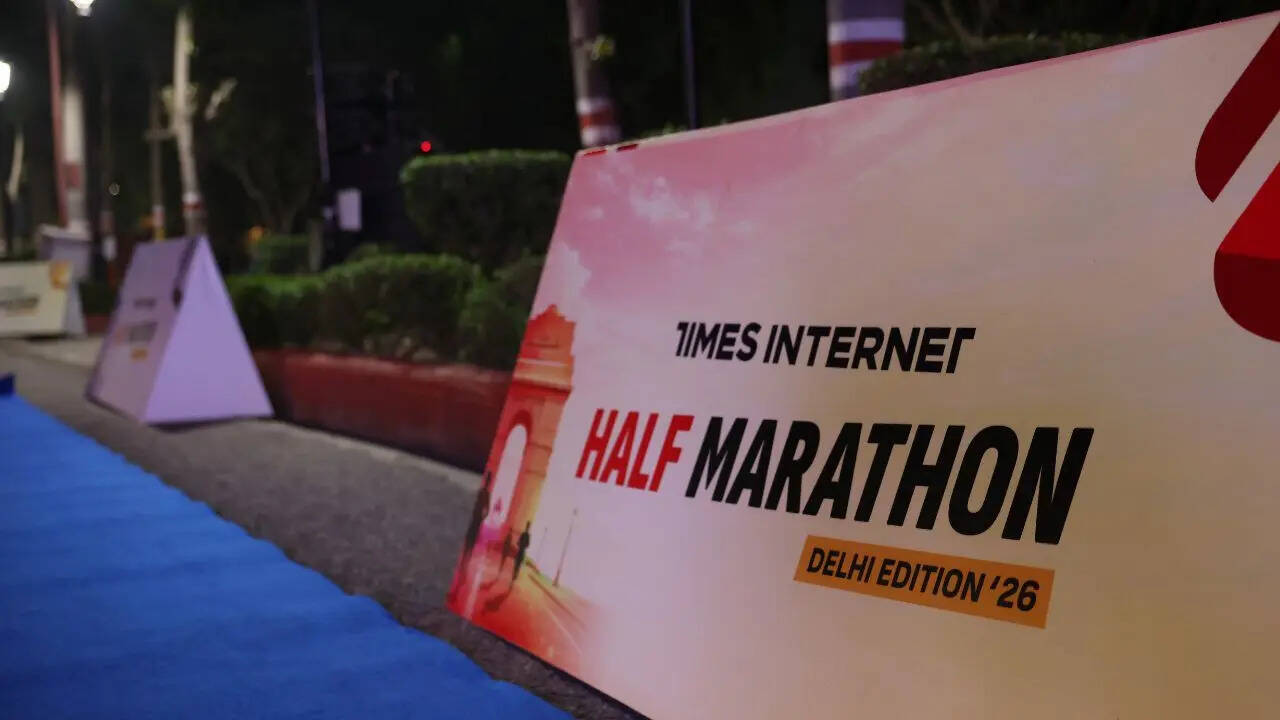
In recent years, major races in cities like Mumbai, Delhi, and Kolkata have changed how they choose their leaders. Instead of just picking the most famous movie star, organizers are looking for people who have a history of fitness. These ambassadors are now seen training on the tracks, joining practice runs, and finishing the actual race alongside regular citizens. This change shows that the role of an ambassador has moved from being a "guest" to being a "participant."
Important Numbers and Facts
The number of people participating in organized runs in India has grown by millions over the last decade. Major races now attract over 40,000 to 50,000 runners in a single day. Many of these events use "International Event Ambassadors" who are often former Olympic champions or world record holders. These legends do not just sit in VIP areas; they often lead workshops and run short distances to inspire the youth. Data shows that events with active, fitness-focused ambassadors see higher registration numbers from first-time runners.
Background and Context
In the past, running was mostly for professional athletes. Most people did not see it as a hobby or a way to stay healthy. To make races popular, organizers started hiring celebrities to get media attention. While this worked to get the word out, it did not always inspire people to start running themselves. People saw the celebrities as being very different from them. By choosing ambassadors who actually sweat and struggle on the road, the events have become more relatable. It shows that if a busy actor or an older athlete can do it, a regular office worker can do it too.
Public or Industry Reaction
The public response has been very positive. Social media is often filled with photos of runners meeting their icons during the race. This creates a sense of equality on the track. Fitness experts and coaches also praise this trend. They believe that having "real" runners as ambassadors helps spread the right message about training and safety. Instead of just looking good for the cameras, these ambassadors talk about the importance of hydration, proper shoes, and long-term practice. The sports industry now views these roles as essential for building a long-lasting fitness culture.
What This Means Going Forward
In the future, we can expect to see fewer "ceremonial" ambassadors and more "active" ones. Brands are realizing that people can tell the difference between someone who is paid to be there and someone who truly loves the sport. This will likely lead to more partnerships with local fitness influencers and athletes who have a genuine story to tell. It also means that races will focus more on the experience of the runner rather than just the glitz of the opening ceremony. The goal is to make fitness a permanent habit for the public, not just a one-day event.
Final Take
The era of the "silent ambassador" is coming to an end. Today, being the face of a race means being part of the race. When leaders lead by example, the community follows with more energy and passion. This shift is a win for everyone involved, from the organizers to the thousands of people who are now living healthier lives because they saw their role models "run the talk."
Frequently Asked Questions
What is a race ambassador?
A race ambassador is a well-known person, such as an athlete or celebrity, who helps promote a marathon or running event to the public.
Why are ambassadors starting to run the races?
They run to show they are serious about fitness. This builds trust with the participants and inspires more people to join the event and stay healthy.
How does an active ambassador help a marathon?
An active ambassador makes the event feel more authentic. Their participation draws more media attention to the sport of running itself rather than just the celebrity’s fame.



